
Record: this electric Audi A6 covered 1,338 kilometers on a single charge
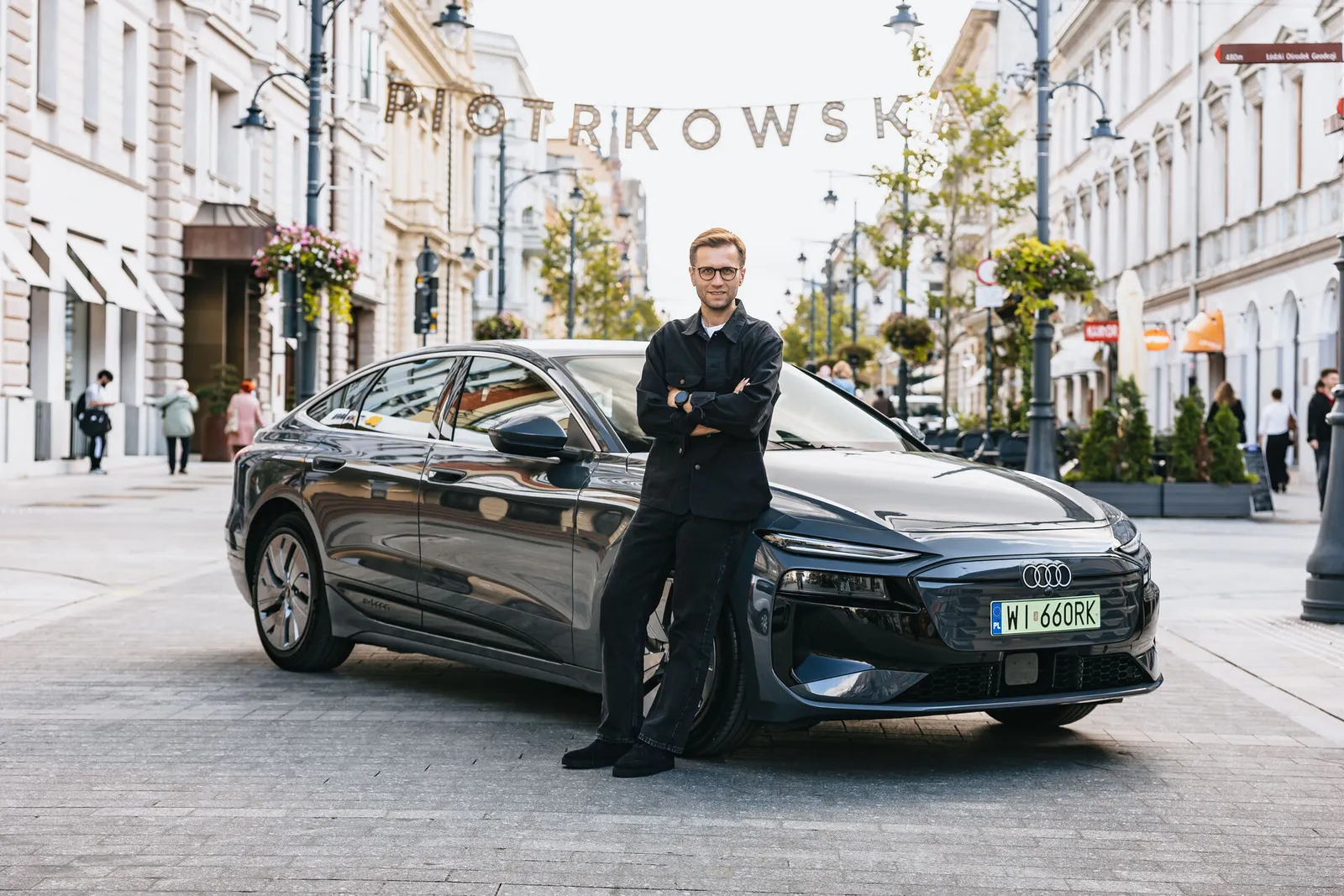
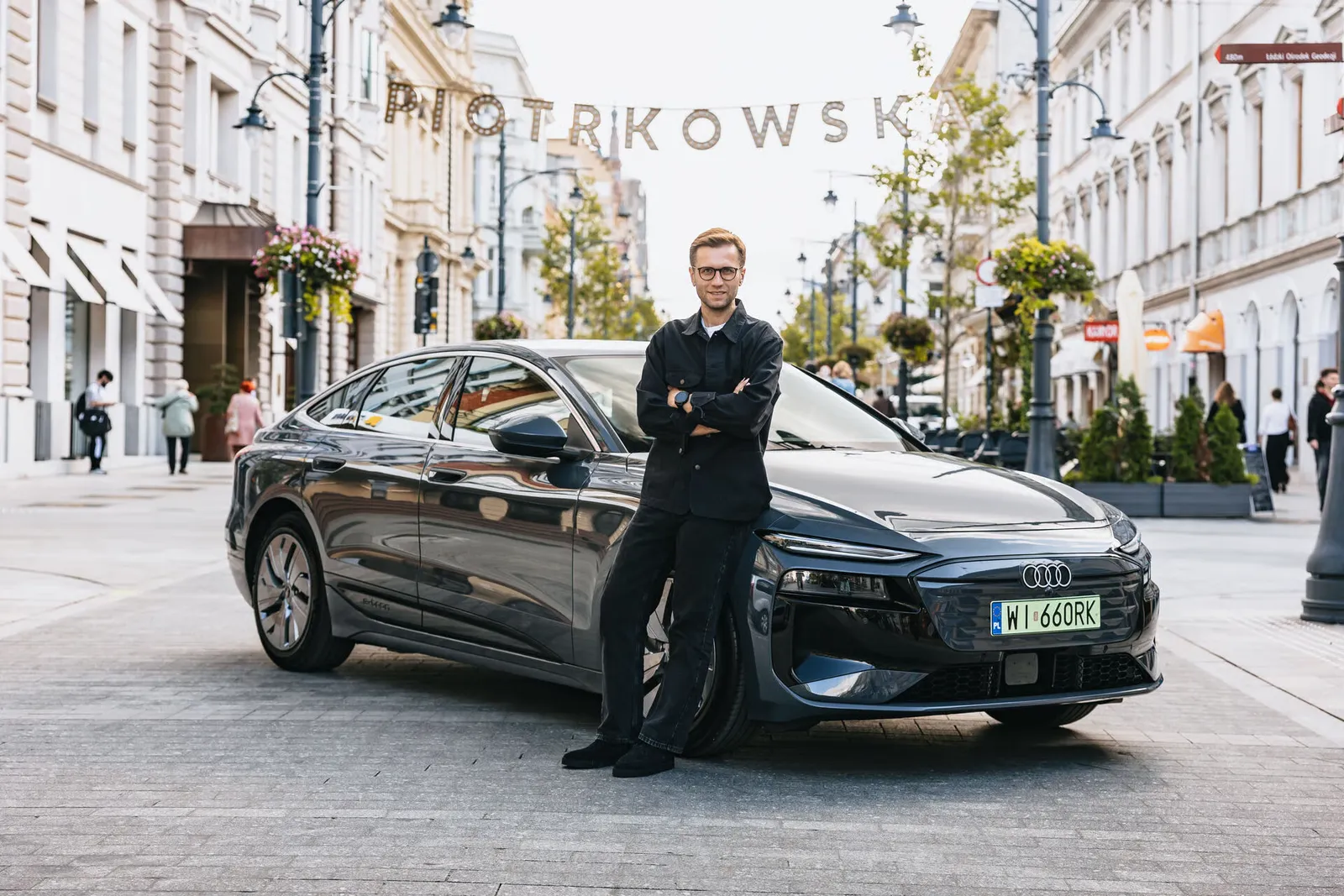
European rally champion Miko Marczyk has just set a Guinness World Record while driving an Audi A6 Sportback e-tron performance. He covered 1,338 kilometers on a single charge in just over 45 hours, with an average energy consumption of 7.09 kWh/100 km—nearly half less than the model’s WLTP rating.
A 45-Hour Marathon Across Poland
On paper, the announcement seems like a well-orchestrated media stunt... An Audi makes it into the Guinness Book of Records thanks to its range. But the protocol chosen by Miko Marczyk deserves closer attention. The European rally champion didn’t seek ideal conditions. Setting off at 1:55 a.m. on September 11, he crossed Poland along the Vistula River, from Kraków to Hel on the Baltic Sea, before retracing his steps in reverse via Sandomierz, Warsaw, Toruń, and Grudziądz.
Also read
In Germany, Volkswagen is selling more electric cars than gasoline cars, and that changes everything!
The entire journey was completed under normal traffic conditions, including peak hours, at an average temperature of around 15°C, which dropped to 7°C early in the morning near Grudziądz. More than 45 hours after departure, the odometer read 1,338 kilometers between Toruń and Ciechocinek, with no recharging at all. An impressive performance, even better than that of the BMW iX3.
The key figure to remember: 7.09 kWh/100 km
An impressive distance on its own, but it gains full meaning when considered in terms of fuel consumption: an average of 7.09 kWh/100 km. For comparison, the Audi A6 e-tron has a WLTP-certified fuel consumption ranging from 13.6 to 15.8 kWh/100 km, nearly double that figure. Marczyk attributes this difference to “proactive driving,” maximum use of regenerative braking, and closely monitored tire pressure to reduce rolling resistance. A useful reminder: WLTP figures are laboratory benchmarks, and the discrepancy from real-world conditions can affect electric vehicles either negatively or positively depending on how they are driven.
A technical foundation that enables this achievement
The car’s performance is certainly not accidental. Built on Volkswagen Group’s Premium Platform Electric (PPE) platform, this version delivers 367 horsepower and features a 94.9 kWh usable battery paired with an 800-volt architecture. Regenerative braking, which the manufacturer claims can handle up to 95% of daily braking scenarios, has also played a significant role in this performance. Likewise, its drag coefficient of 0.21 makes it one of the most aerodynamic models on the market.