
Two-way charging: Europe finally demonstrates the potential of V2G with concrete results
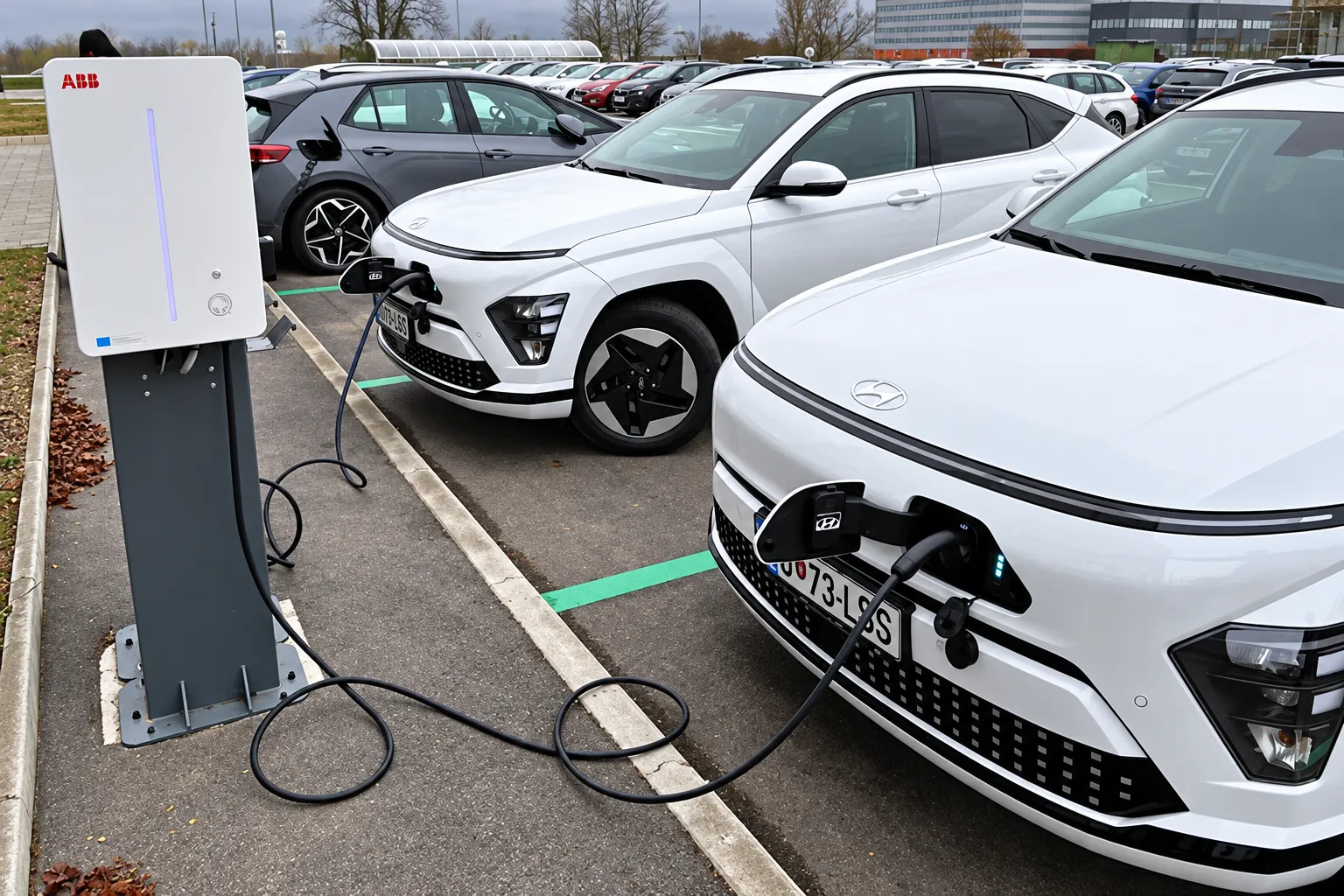
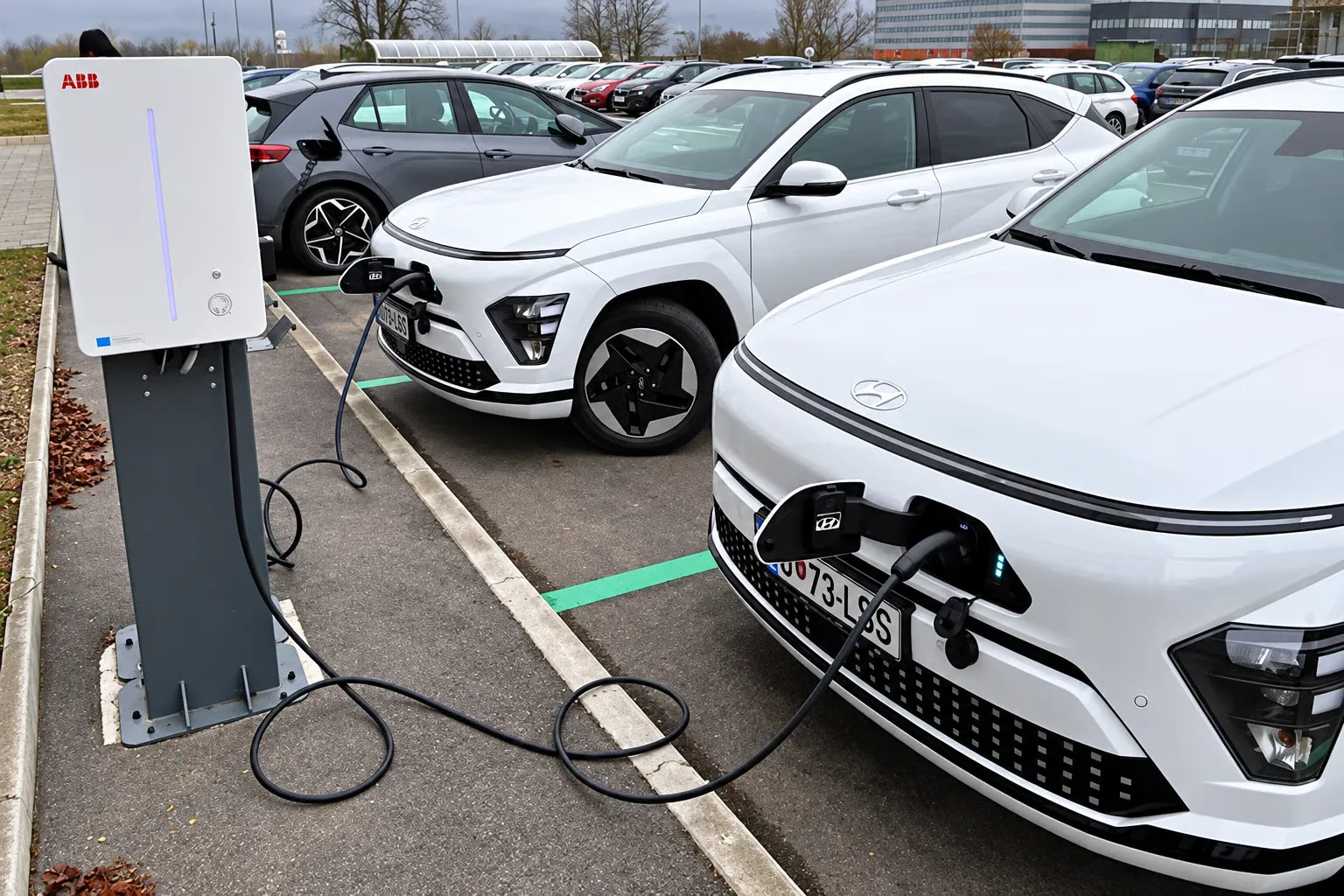
What if electric cars could help reduce electricity bills while facilitating the integration of renewable energy? This is exactly what the European project EV4EU set out to demonstrate. After four years of research and experiments conducted in four countries, the results are encouraging. In Portugal, researchers observed an average 14% reduction in the cost of home charging.
Two-way charging is one of those technologies that gets a lot of talk but remains little widespread. Its principle is relatively simple: it allows an electric vehicle (EV) to return some of the energy stored in its battery to power a home or support the electrical grid.
Through the EV4EU project, funded by the European Union with nearly 9 million euros, researchers sought to test its viability under real-world conditions. The results published recently are encouraging.
14% savings on home charging
Launched in June 2022 and completed in May 2026, EV4EU involved four experiments in Portugal, Slovenia, Greece, and Denmark. The goal was to understand how electric vehicles can contribute to grid stability while reducing costs for their owners. The most significant results came from Portugal.
Also read
Electric cars: Renault partners with EDF to lower French people’s electricity bills through V2G
By combining conventional and two-way chargers with energy management systems, researchers achieved an average 14% reduction in home charging costs. The device also increased the integration of renewable energy by up to 21.9%. However, care should be taken not to generalize these figures. Savings depend on factors such as electricity prices, installed equipment, and vehicle availability, so they do not represent a consistent 14% reduction for all drivers.
Electric Vehicles Serving the Grid
The other three experiments explored various applications. In Slovenia, researchers tested virtual power plants capable of coordinating multiple vehicles—a crucial factor for improving the efficiency of bidirectional charging. In Greece, they focused on dynamic pricing for public infrastructure. In Denmark, the work centered on smart management of parking lots equipped with charging stations. The project also resulted in the creation of a functional prototype of a bidirectional charging station with a CCS connector.
It’s feasible, but…
These experiments confirm the potential of two-way charging, which is beginning to be offered in France. But before considering its large-scale deployment, several obstacles remain to overcome. This includes having compatible vehicles and appropriate charging stations. Researchers also emphasize the importance of meeting drivers’ mobility needs while limiting battery degradation. Regarding this last point, algorithms have been developed to help optimize charging and discharging cycles.
The economic issue remains as well. Indeed, to convince individuals to make their batteries available to the grid, it will be necessary to offer them compensation or savings that are sufficiently attractive. The key challenge now is to turn these experiments into solutions accessible to the broad public, with the potential for a dual benefit: reducing drivers’ expenses and making better use of renewable energy. This is by no means a trivial matter.