
Range Rover Sport Electric opens for orders with 378-mile range
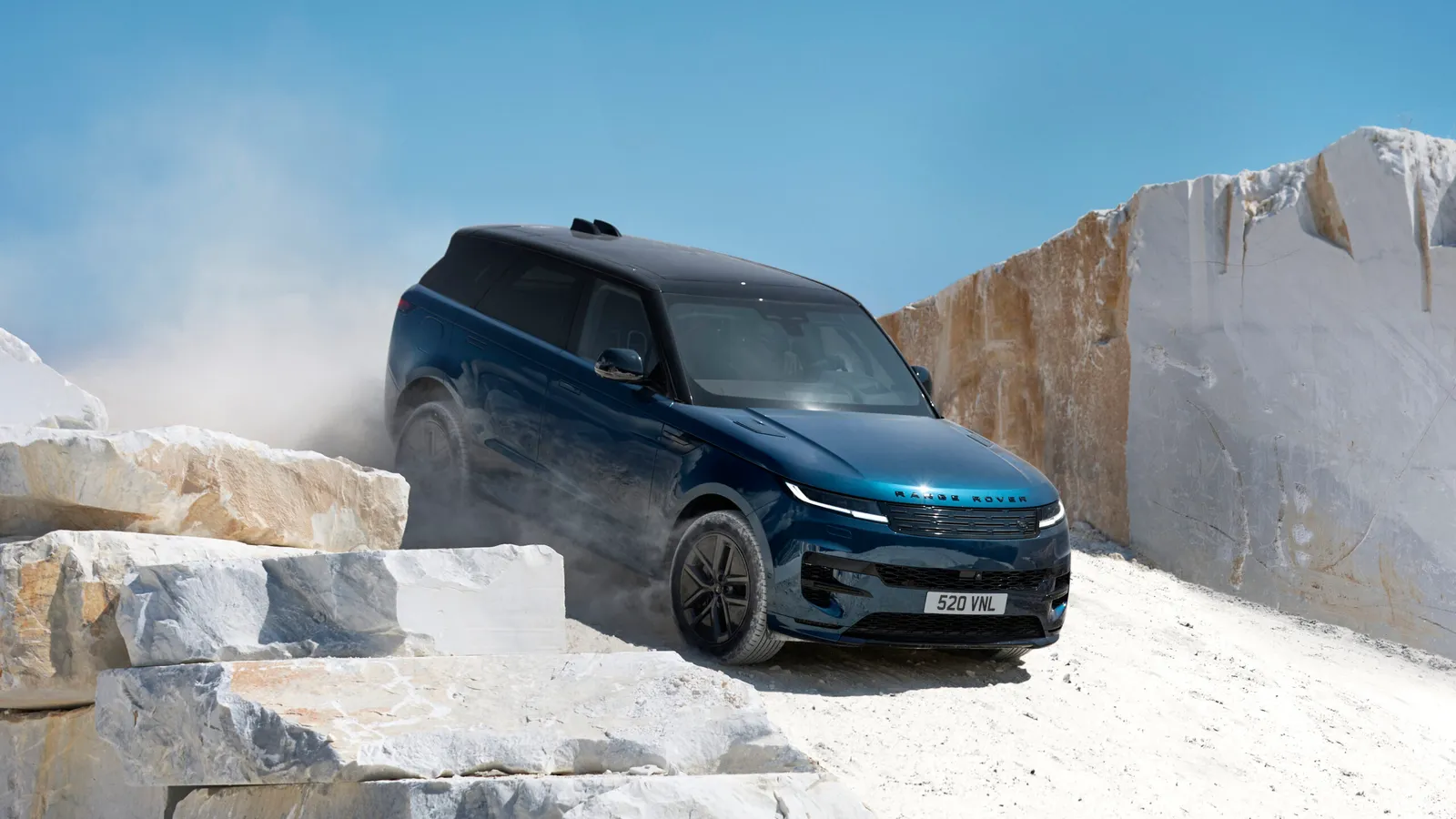
Range Rover has opened orders for its first fully electric Sport, promising up to 378 miles of WLTP range, 350kW rapid charging and a 0–60mph time of 4.3 seconds. The British-built SUV combines a 118.5kWh usable battery with dual-motor four-wheel drive, while retaining a 900mm wading depth and a 2.5-tonne towing capacity.
Unveiled on 30 September, the Range Rover Sport Electric joins the existing petrol, diesel and plug-in hybrid versions, as well as the Range Rover Electric launched on 2nd September. Buyers will have a choice of 450PS and 550PS powertrains, with Dynamic SE, Dynamic HSE, Autobiography and First Edition specifications available. UK prices and first customer delivery dates were not included in the launch material.
The electric Sport’s 800V architecture supports a claimed 10–80% charge in around 22 minutes when connected to a suitable 350kW DC charger. Range Rover says up to 136 miles of WLTP driving range can be added in ten minutes under the required charging conditions.
Those figures make charging speed a significant part of the proposition for a large SUV with such a substantial battery. However, they represent optimum performance: actual charging times and the distance recovered will depend on conditions, while motorway driving, cold weather and towing will affect range.
Range Rover also quotes up to 333 miles from its own standardised road testing. That is a separate manufacturer assessment, rather than an independently verified range figure or a guarantee of what owners will achieve. The technical specification lists WLTP figures of up to 378 miles for the lower road-load configuration and 367 miles for the higher road-load configuration.
The battery uses nickel manganese cobalt chemistry and a split-pack arrangement designed to improve compatibility with existing charging infrastructure. On 400V DC equipment, the technical data lists a peak charging rate of 250kW and up to 98 miles of WLTP range added in ten minutes.
AC charging is supported at up to 22kW. Range Rover quotes a full charge in less than eight hours on a suitable 22kW supply, or less than 20 hours using a 7kW charger. Owners can schedule charging through the vehicle’s touchscreen or the new Range Rover app.
The navigation system can plan charging stops and automatically prepare the battery before arrival to help achieve faster charging. An electrically operated charging flap and illuminated socket are included, while charging ports on both sides of the vehicle are offered as an option.
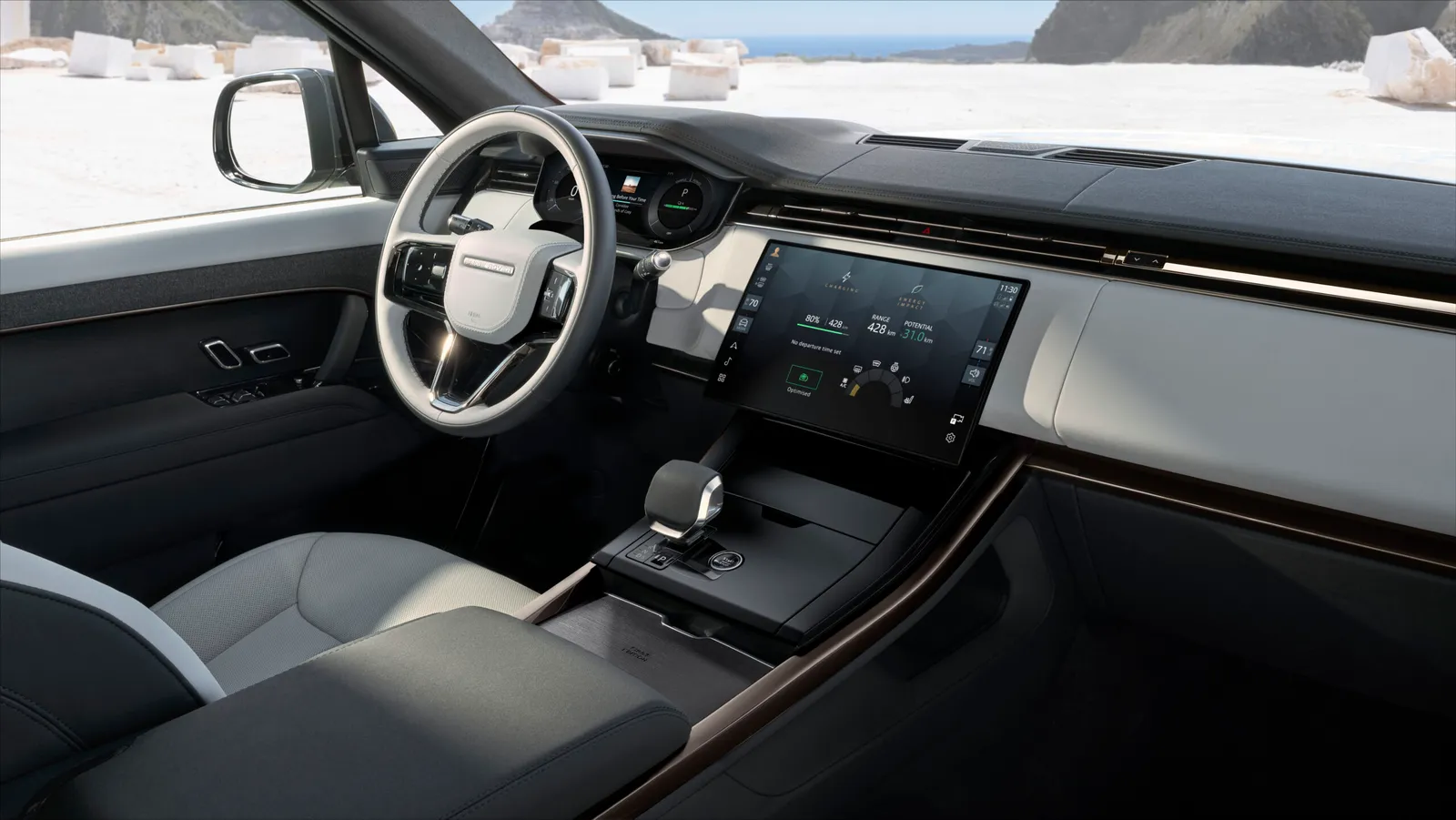
Vehicle-to-load capability will allow owners to power small electrical appliances using an adaptor. A towing range prediction function also lets drivers select trailer profiles, including horseboxes and boats, to provide a more relevant estimate of the remaining driving distance.
Performance is led by the 550PS version, which produces 404kW and 850Nm. Range Rover says this is the highest torque output of any Sport, with the headline 4.3-second 0–60mph time achieved using Dynamic Launch Mode. Its corresponding 0–62mph figure is 4.5 seconds.
The 450PS model delivers 330kW and 677Nm, reaching 60mph in 5.4 seconds or 62mph in 5.6 seconds with Dynamic Launch engaged. Both versions have a quoted top speed of 124mph. The specification gives an EU unladen weight starting at 2,770kg, underlining the considerable mass the chassis must control.
Although each axle carries a 260kW electric drive unit, those individual motor ratings should not be added together to describe the car’s available output. The complete propulsion system is rated at the lower combined figures specified for each version.
Range Rover managing director Martin Limpert said: “It is first and foremost a Range Rover Sport.” He said the electric propulsion system had allowed engineers to unlock new levels of responsiveness and precision, with particular attention paid to chassis settings, torque delivery and the vehicle’s sound profiles.
The company says torque builds 50% faster than in the larger Range Rover Electric, giving the Sport a more immediate response when the driver accelerates.
Range Rover has made substantial changes to the Sport’s structure and suspension for electric propulsion. It claims a 61% increase in body torsional stiffness and a centre of gravity 73mm lower than in the plug-in hybrid, alongside specific chassis tuning.
“The stiffer architecture and lower centre of gravity, combined with precise torque control and advanced chassis technologies, creates a vehicle with sharper responses, greater agility and increased confidence,” said Matt Becker, vehicle engineering director at Range Rover.
“It feels smaller, more planted and more responsive than you would imagine. All without sacrificing refinement, comfort or breadth of capability.”
Dynamic air suspension, twin-valve dampers and adaptive damping are joined by electronic active roll control and all-wheel steering. The latter two features form part of Dynamic Response Pro, which is standard on 550PS models and optional on 450PS versions.
At lower speeds, the rear wheels can turn in the opposite direction to the fronts by up to 7.3 degrees. With all-wheel steering, the quoted kerb-to-kerb turning circle is 10.95 metres, potentially useful in car parks for a vehicle measuring almost five metres long.
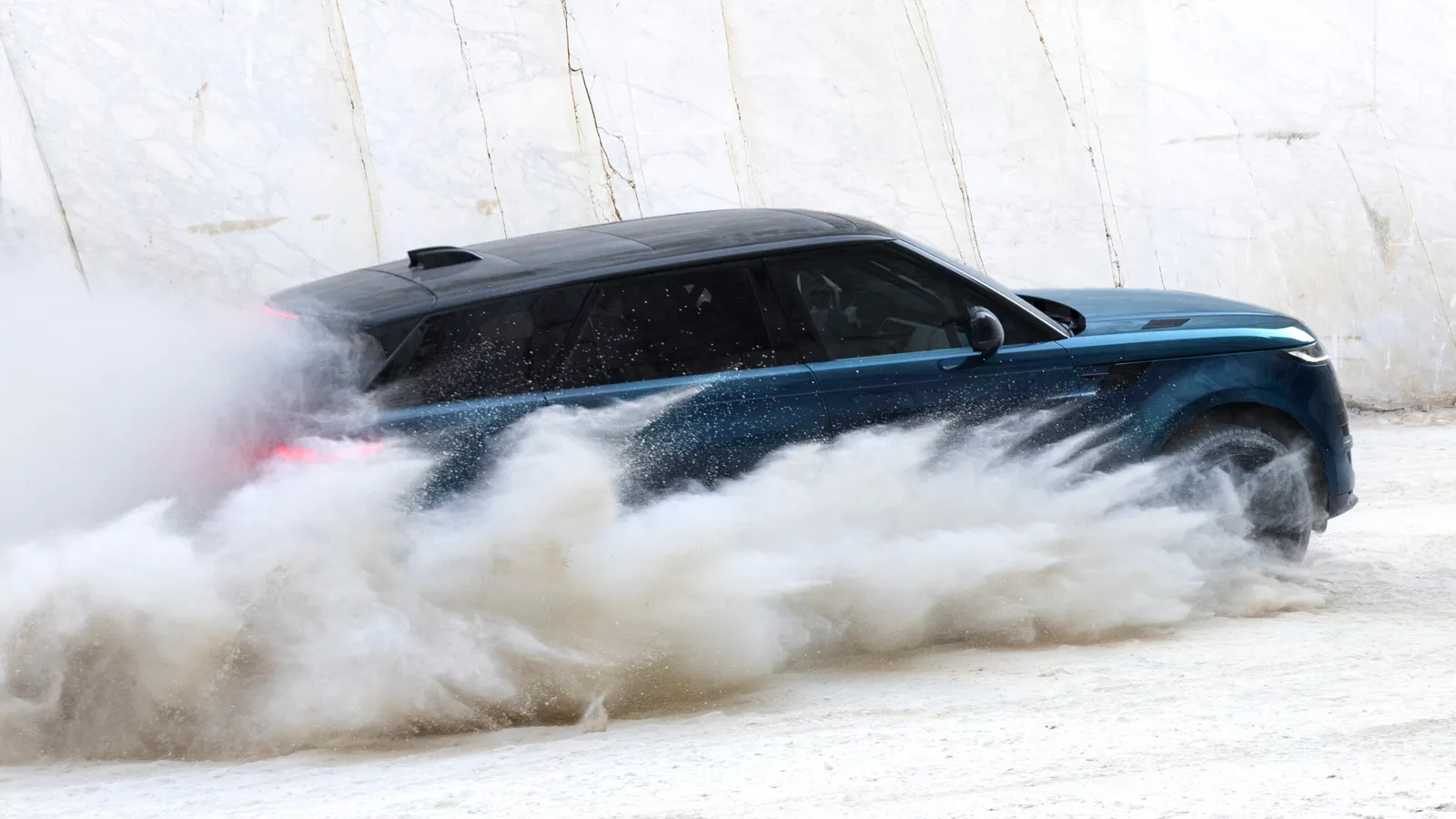
Off-road specifications include up to 263mm of ground clearance and the ability to tackle 45-degree inclines. Electric traction management controls the motors to manage wheel slip, while single-pedal driving can bring the vehicle to a complete stop and engage Auto Hold.
Range Rover demonstrated the vehicle in Italy’s Carrara marble quarries, where the final development test involved steep gradients and surfaces ranging from polished stone to loose marble dust. The wider development programme also included the Magarigawa Club circuit near Tokyo.
Battery temperature is managed by the ThermAssist system, which monitors 600 parameters and uses a heat pump to recover heat from the motors for the cabin or battery. JLR attributes 25 miles of certified range and a 40% reduction in heating energy use to the system.
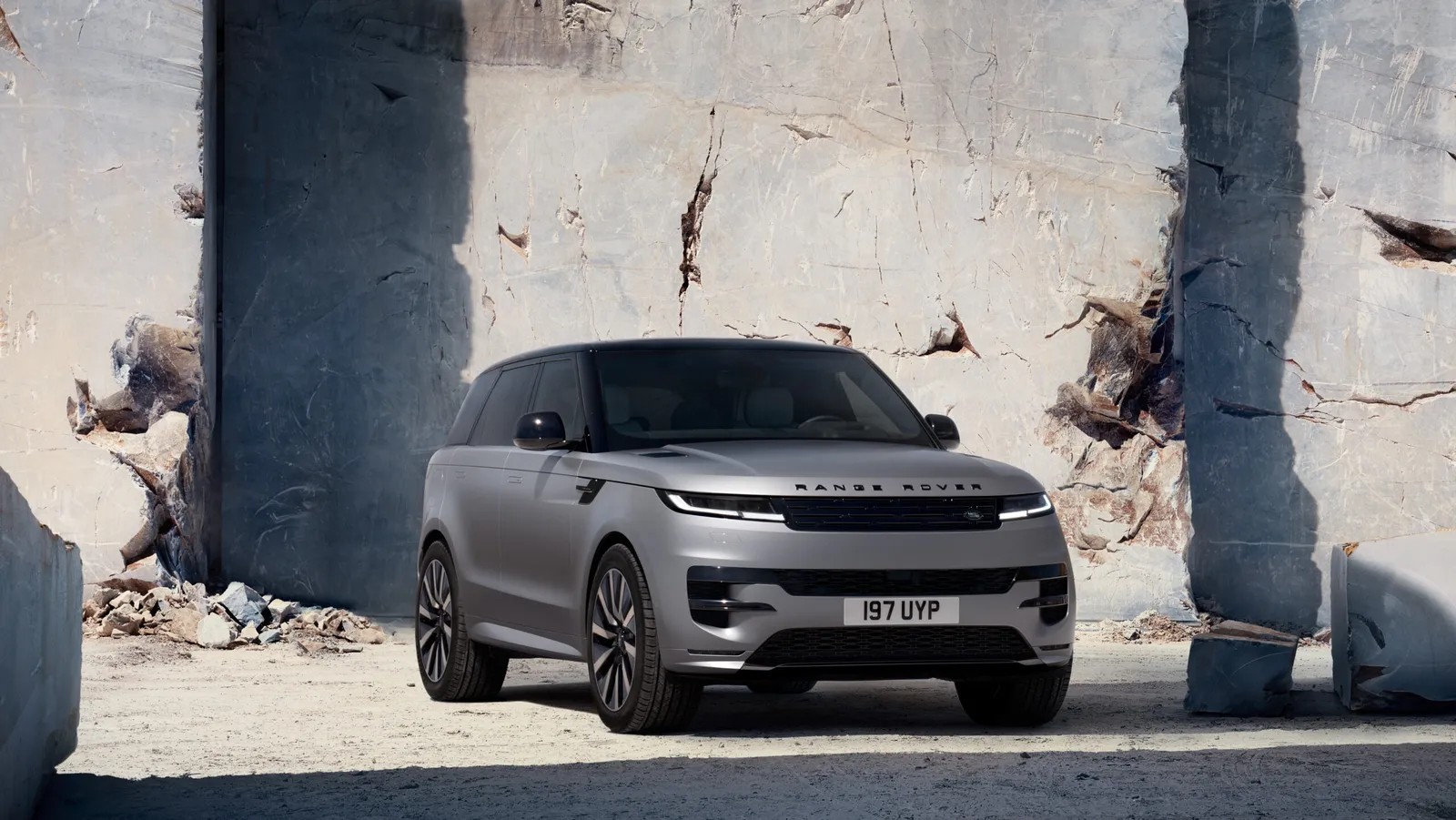
Externally, an aerodynamically optimised grille and dedicated alloy wheels distinguish the electric model. The First Edition features Zadar Grey paint with a satin wrap, a contrasting black roof and 22-inch wheels, with alternative colours available. Autobiography customers can access the Range Rover Bespoke personalisation service.
Inside, a 13.1-inch curved Pivi Pro touchscreen incorporates dedicated EV controls, alongside wireless Apple CarPlay and Android Auto. Available equipment includes heated and ventilated massage seats and a Meridian Signature audio system. A synthesised driving soundtrack changes with driver inputs and selected modes.
Production will take place at Solihull alongside combustion and plug-in hybrid Sports. Battery packs and electric drive units will come from JLR’s Electric Propulsion Manufacturing Centre in Wolverhampton, where engine and electric propulsion manufacturing will operate alongside each other during the transition.
JLR says approximately 1,700 new or modified processes have been introduced at Solihull to accommodate the electric Sport. The battery carries an eight-year or 100,000-mile warranty, with exact coverage dependent on the market.
