
The Range Rover Sport is now electric and has never had this much power.
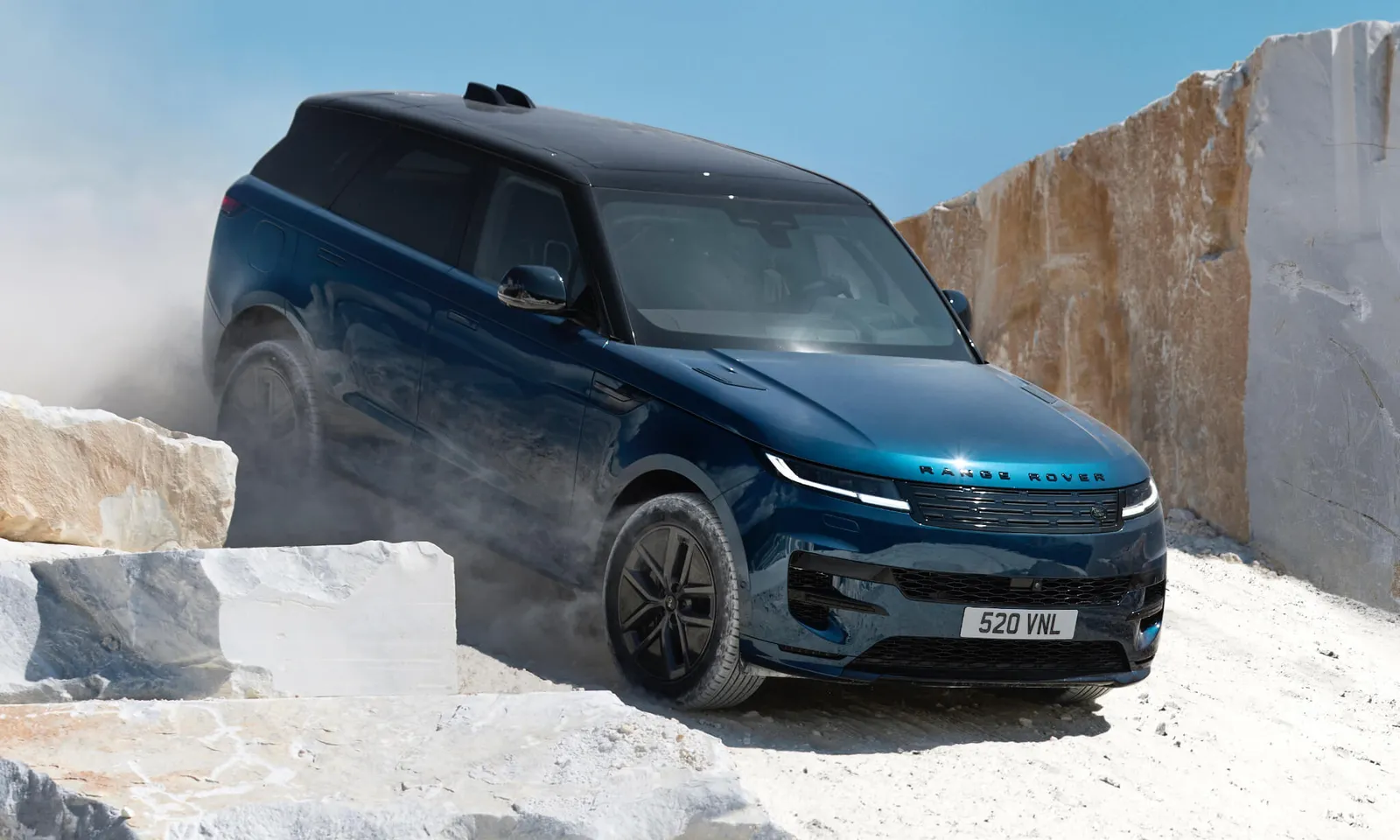
For the first time in history, the Range Rover Sport is now available in a 100% electric version. But the V8 engine isn’t disappearing and remains available in the lineup.
The Range Rover continues to electrify its range, and after the Range Rover Electric, which Diogo Teixeira already tested in the UK, it’s now the turn of the Range Rover Sport to get an all-electric version.
The new Range Rover Sport Electric comes with 550 horsepower and 850 Nm of torque, along with a 118.5 kWh battery that allows for a combined WLTP range of up to 609 km.
But the innovation isn’t just in the powertrain; the Range Rover took advantage of the change to increase chassis stiffness, lower the center of gravity, and revise various components of the suspension.
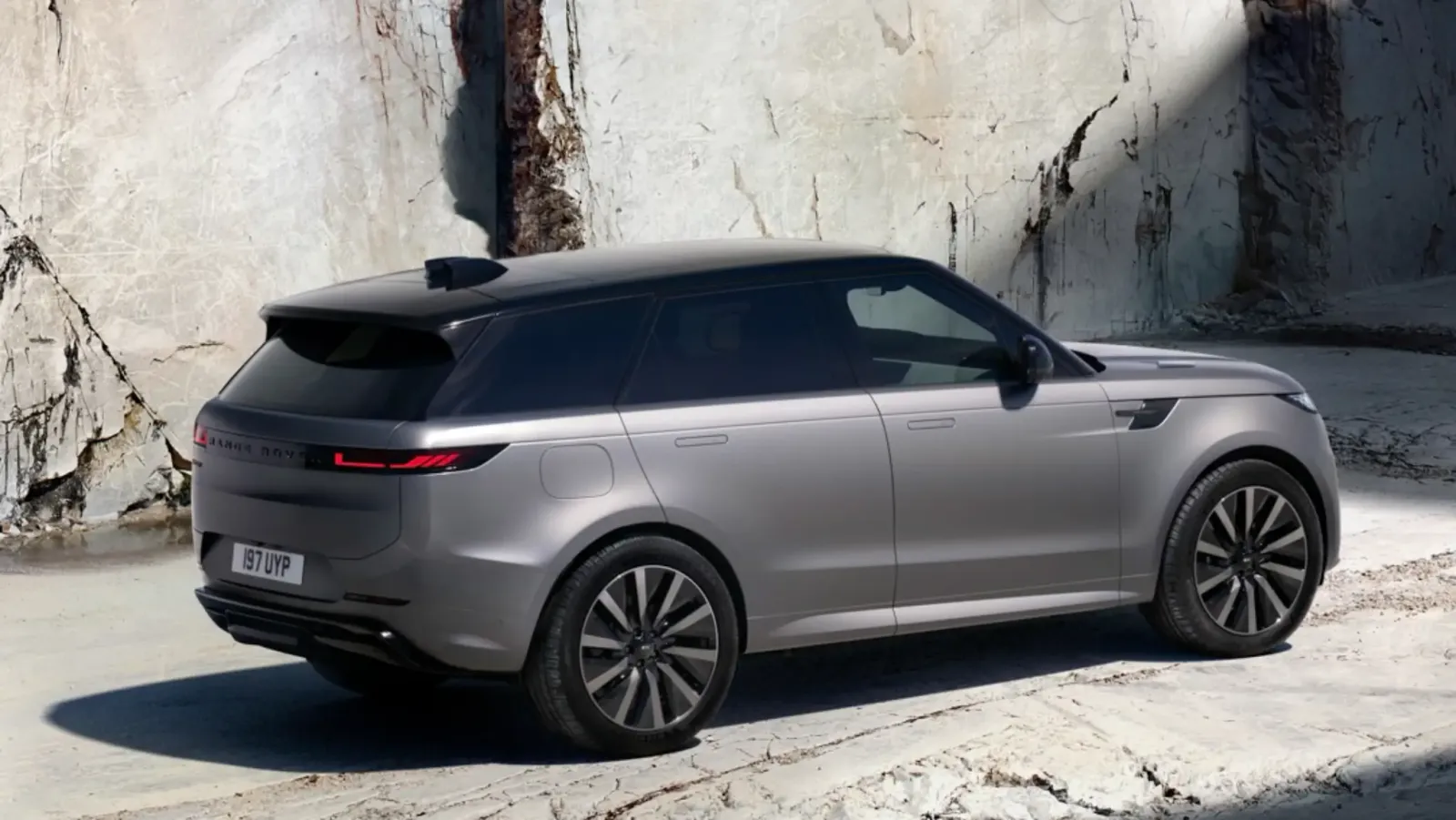
The promise is to retain the off-road capabilities we expect from a Range Rover, while adding the advantages of electric propulsion and improved handling.
550 hp and 850 Nm
In the most powerful version, called EV550, the new Range Rover Sport Electric features two 260 kW electric motors, one per axle, which together deliver 405 kW (550 hp) and 850 Nm of torque. The EV450 model offers 331 kW (450 hp) and 677 Nm.
The 850 Nm is the highest torque value ever offered by a Range Rover Sport, enabling it to accelerate from 0 to 100 km/h in 4.5 seconds with the Dynamic Launch Mode. The top speed is limited to 200 km/h.
The more interesting aspect is how this power reaches the wheels. According to JLR, the response time is 50% faster than that of the Range Rover Electric, with the traction control system individually managing each motor to maintain grip even when the road conditions are unfavorable.
Lower and stiffer
To ensure the dynamic performance meets expectations, British engineers made significant efforts. The body of the Range Rover Sport Electric is 61% stiffer than that of the plug-in hybrid Range Rover Sport models, with its center of gravity 73 mm lower.
These are seemingly subtle changes but crucial for an SUV of this athletic build, especially since Range Rover aims to maintain—and even enhance—the more dynamic character that has always defined the Sport model in its lineup.
2 images
The Dynamic Air Suspension works together with dual-valve shock absorbers and the active electronic roll control system (eARC), which can apply up to 1400 Nm of force to each axle to keep the chassis under control.
In addition, the Range Rover Sport Electric also features four-wheel steering and Adaptive Dynamics 2, which monitors 100 parameters up to 500 times per second, continuously adjusting the chassis response and body tilt.
Discover your next vehicle:
It remains a Range Rover
For the most purist fans of the Range Rover, the British brand makes a promise: electrification did not force them to give up what sets the Range Rover family apart.
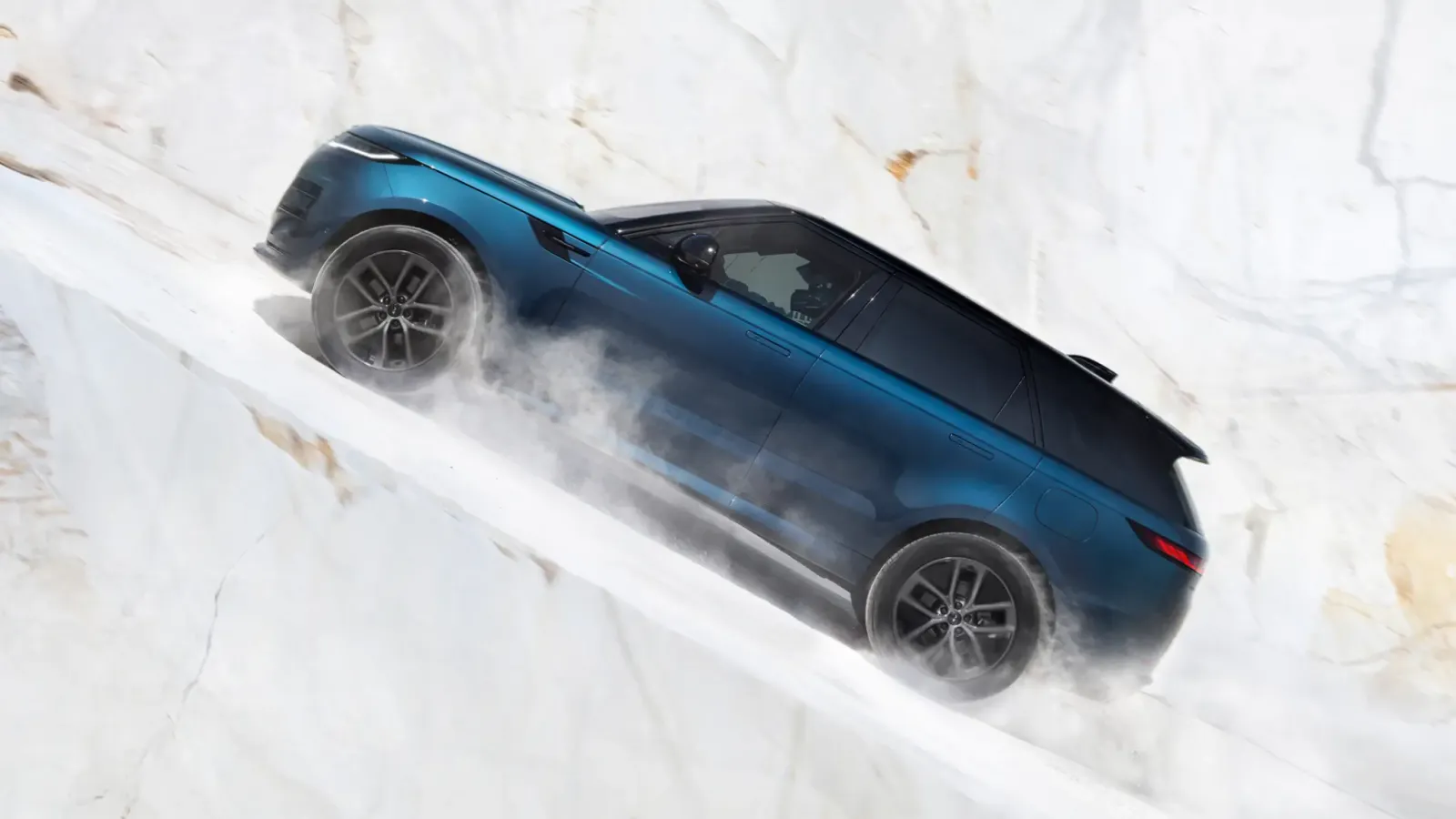
In addition to all-wheel drive provided by the two engines, the Range Rover Sport Electric features a dedicated traction control system and the ability to cross water up to 900 mm deep. Beyond that, it would need to float, just as Mercedes-Benz wants its SUVs to do.
To demonstrate these capabilities, Range Rover completed the development program for this model at the marble quarries in Carrara, Italy, where the electric Range Rover Sport tackled slopes as steep as 45 degrees.
118.5 kWh and 800 V architecture
Powering the entire “electric machine” is a battery with 118.5 kWh (usable) of capacity, integrated into the MLA-Flex architecture.
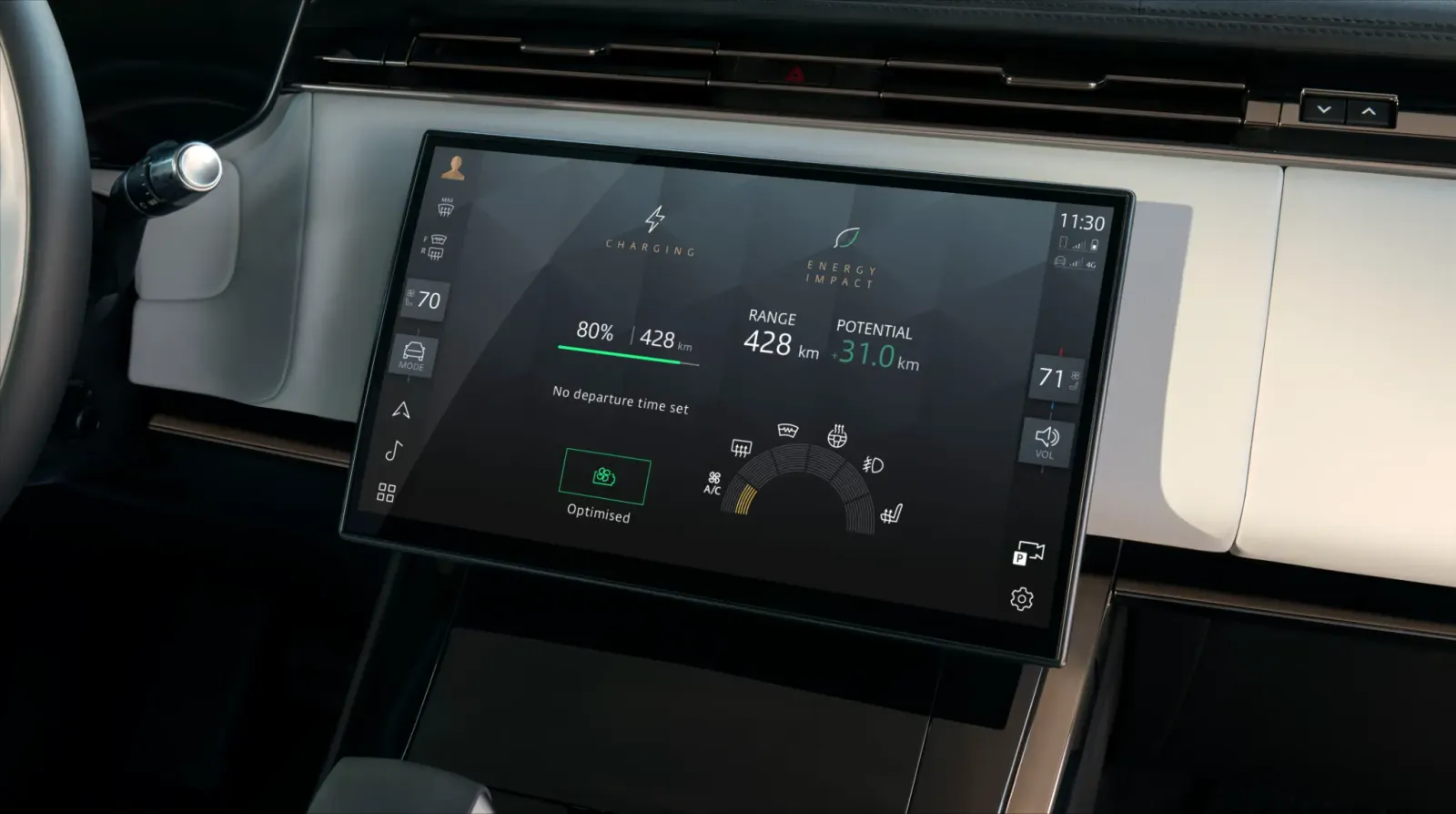
The Range Rover has not disclosed the maximum DC charging power, but claims that its 800 V electrical architecture allows it to recover up to 220 km of range in just 10 minutes or charge from 10% to 80% in about 22 minutes. In AC mode, the Range Rover Sport Electric can achieve charging powers of up to 22 kW.
Regarding range, the Range Rover Sport Electric boasts up to 609 km in WLTP cycle conditions. Under real-world conditions, JLR estimates that it is possible to travel up to 533 km on a single charge, though this figure is an estimate by the brand rather than an officially certified value.
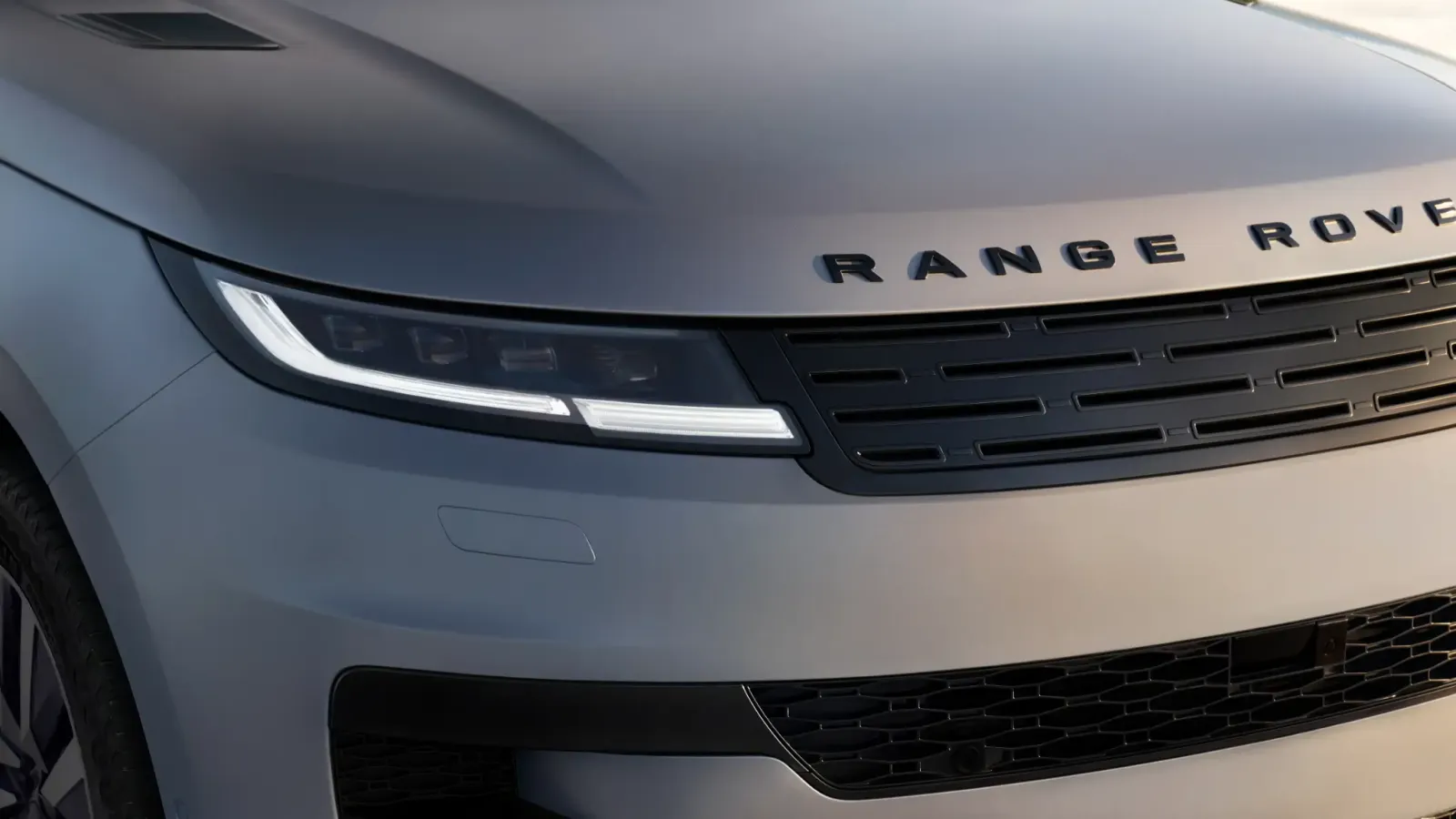
To achieve these specifications, concerns about aerodynamics were a key focus for JLR’s engineers and designers from the very beginning. This is evident especially when looking at the partially closed front grille and the wheels, which feature an optimized design.
DO NOT MISS:
Chinese SUV tries to imitate Range Rover Sport and fails miserably
According to Range Rover, it is these elements alone that allow for an additional 16 km of range at highway speeds. Not bad at all.
Finally, to compensate for the absence of a traditional V8 engine, Range Rover developed a specific sound signature for the Sport Electric model, synchronized with driving modes to reflect the engine’s response. If you’re not convinced, you can always hear the “roar” of a V8 in this video:
When will it arrive?
The Range Rover Sport Electric will be available in the Dynamic SE, Dynamic HSE, Autobiography, and First Edition trims.
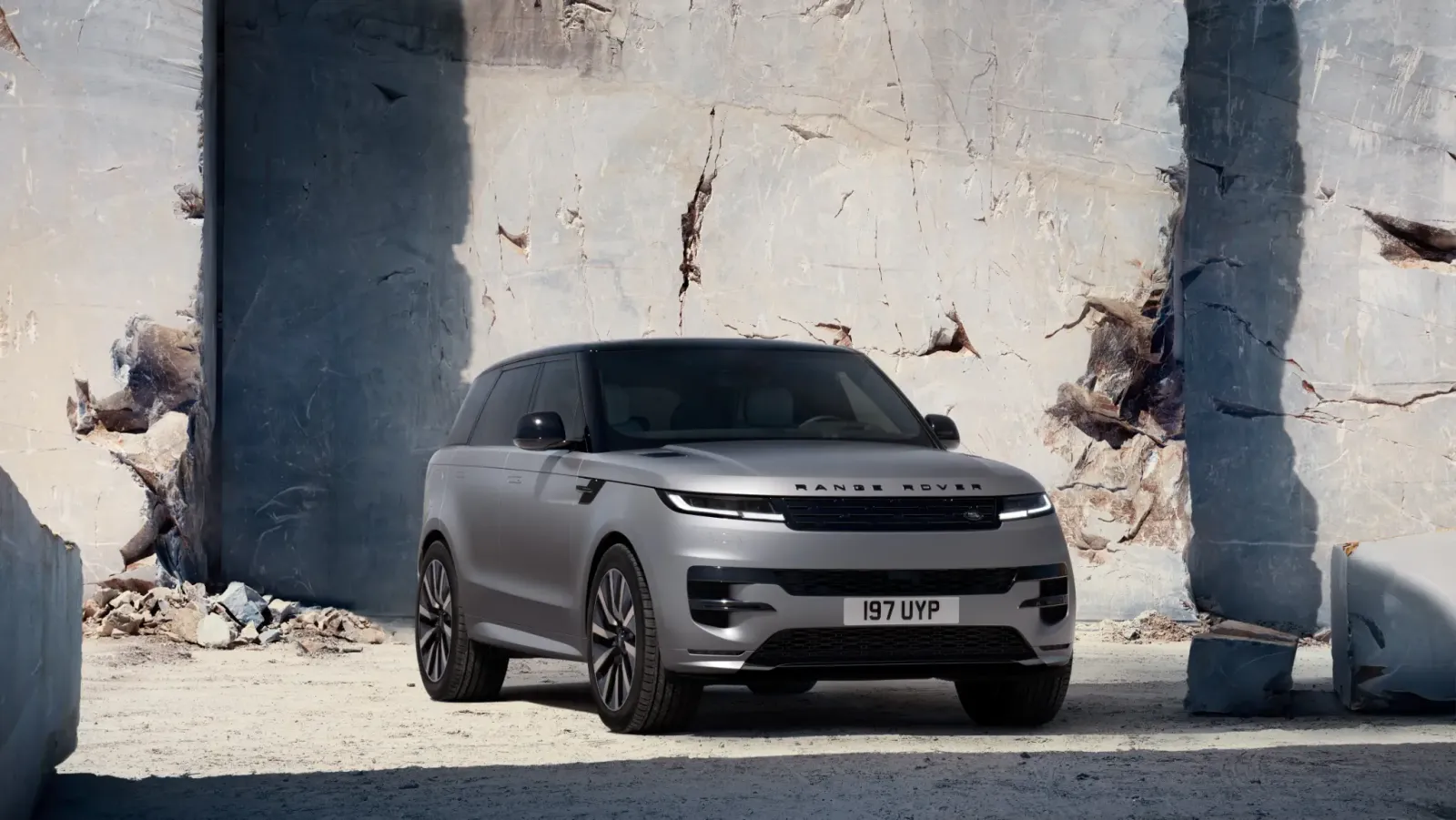
The First Edition features Zadar Grey coloring, a contrasting black roof, 22″ wheels, and Satin Wrap finish. In the Autobiography version, customers can also use the Range Rover Bespoke program to customize almost every detail and create a unique model.
Production takes place in Solihull, UK, at the same factory where other versions of the Range Rover Sport are manufactured, and orders are already open in Portugal. However, prices have not been announced yet.