
Range Rover Electric: 600 km range for 163,500 euros
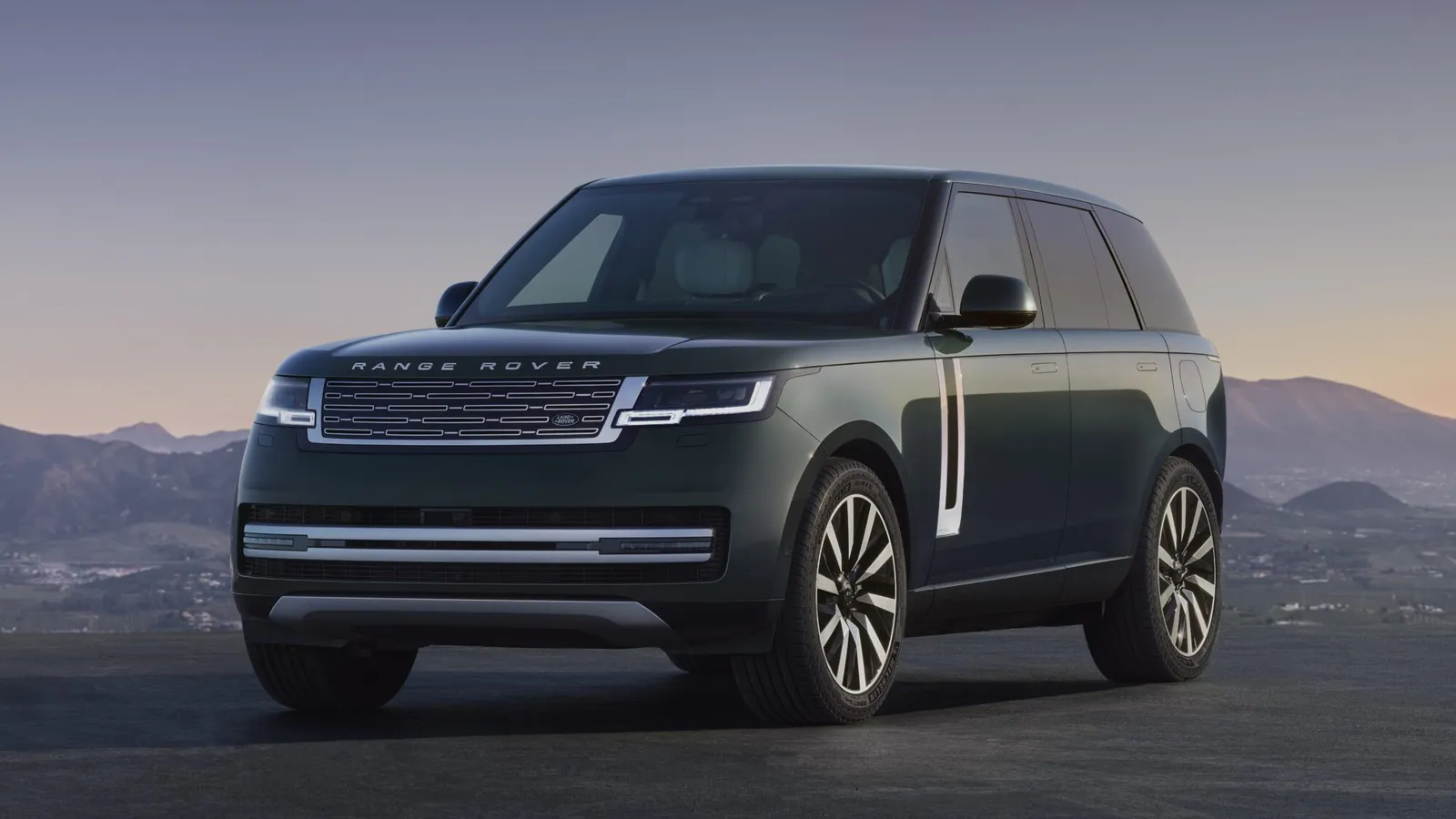
The Range Rover Electric delivers up to 405 kW (550 horsepower) and is claimed to have a WLTP range of 600 kilometers. Its 118.5-kWh battery can be charged from 10 to 80 percent in about 22 minutes according to the manufacturer.
Advertisement
Two electric motors and up to 405 kW of system power
Range Rover is offering its large luxury SUV for the first time with a fully electric drive. The Range Rover Electric is manufactured in Solihull, UK, like the other models in the series, and can now be ordered in Germany. The starting price is 163,500 euros. In addition to the electric vehicle, models with mild hybrid, plug-in hybrid, and internal combustion engines remain in the lineup, as all drive variants are based on the same vehicle architecture.
The all-wheel drive system uses two electric motors, each with a power output of 260 kW. The manufacturer states that the maximum system power is 405 kW (550 horsepower), along with a torque of up to 850 Nm. This places the Range Rover’s performance on par with its previous V8 models. However, the announcement does not provide specific figures for acceleration or top speed.
A newly developed traction management system is designed to adjust power distribution within 50 milliseconds to suit the driving conditions. According to the manufacturer, this makes the system about 100 times faster than a comparable system in a gasoline-powered model. This is said to offer advantages, especially on loose or slippery surfaces. The off-road capability typical of the Range Rover is intended to be maintained despite the electric drive. Examples cited include a wading depth of up to 900 millimeters and the ability to climb slopes of up to 45 degrees in single-pedal mode.
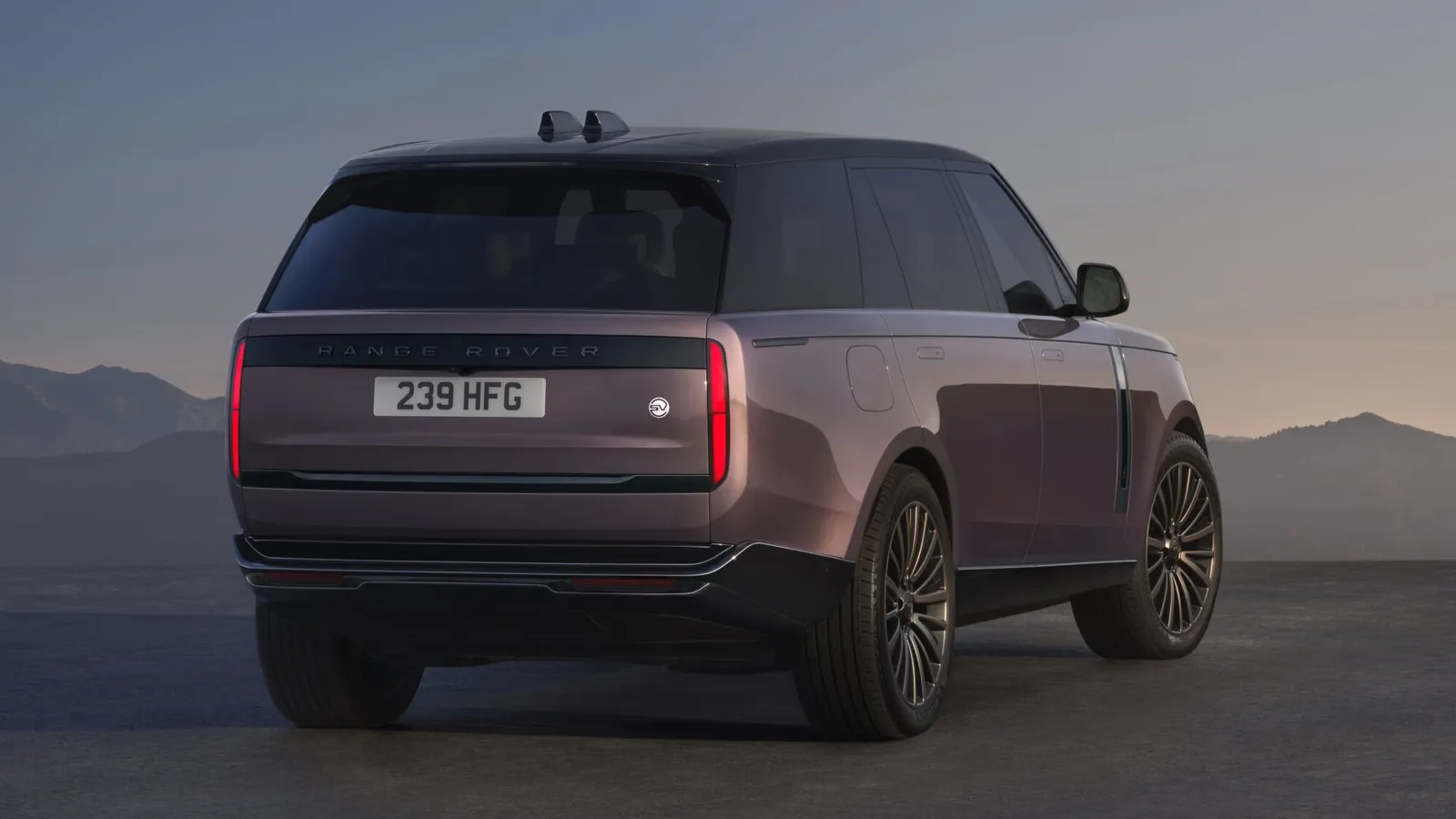
118.5-kWh battery, 800 volts, and 22 minutes charging time
The high-voltage battery has a capacity of 118.5 kWh and operates at 800 volts. The Range Rover uses a so-called double-stack design, in which the battery cells are arranged on two levels. A split-charging function further complements this construction. The manufacturer does not specify the maximum DC charging power the vehicle can achieve in the announcement.
Under suitable conditions, the battery should be able to charge from 10% to 80% in about 22 minutes using a fast charging station. Energy sufficient for an additional 220 kilometers according to WLTP standards can be added within ten minutes. According to the manufacturer, these values apply at an ambient temperature of 23 degrees Celsius, with maximum charging speed and the battery preheated beforehand. In real life, charging time and the additional range achieved may vary due to factors such as temperature, battery level, and the performance of the charging station used.
The WLTP range for the Range Rover is stated as up to 600 kilometers. For the Range Rover SWB EV450 AWD, the company reports a combined electricity consumption of 23.0 kWh per 100 kilometers. The SWB EV550 AWD has a consumption of 23.2 kWh per 100 kilometers, while the four-seater long version of the EV550 AWD is listed at 23.4 kWh per 100 kilometers. These figures are based on tests conducted in accordance with legal WLTP requirements. The actual range achievable depends on factors such as speed, outside temperature, driving style, terrain, load, use of vehicle systems, and battery condition.
Features
Thermal management and suspension for road and off-road use
Among the technical innovations is a heat management system called ThermAssist. It is designed to regulate the temperatures of the battery, electric motors, and interior space as efficiently as possible. According to the manufacturer, they have filed around 300 patent applications for the Range Rover Electric. Both the battery and motors were developed at the JLR Electric Propulsion Manufacturing Centre in the UK.
The battery located under the vehicle floor lowers the SUV’s center of gravity. Together with a two-chamber air suspension, this is intended to improve driving dynamics without compromising off-road capabilities. According to Range Rover, prototypes covered a distance equivalent to 38 orbits of the Earth during physical testing, in addition to over 250,000 hours of virtual testing. The statement does not provide independently verified results from these tests.
A feature of the electric drive system is the single-pedal mode. In this mode, the vehicle decelerates by regenerating energy when the accelerator pedal is released, recovering some of the kinetic energy. Range Rover has also designed this function for slow off-road driving, allowing the driver to control challenging terrains without constantly switching between the accelerator and brake pedals.
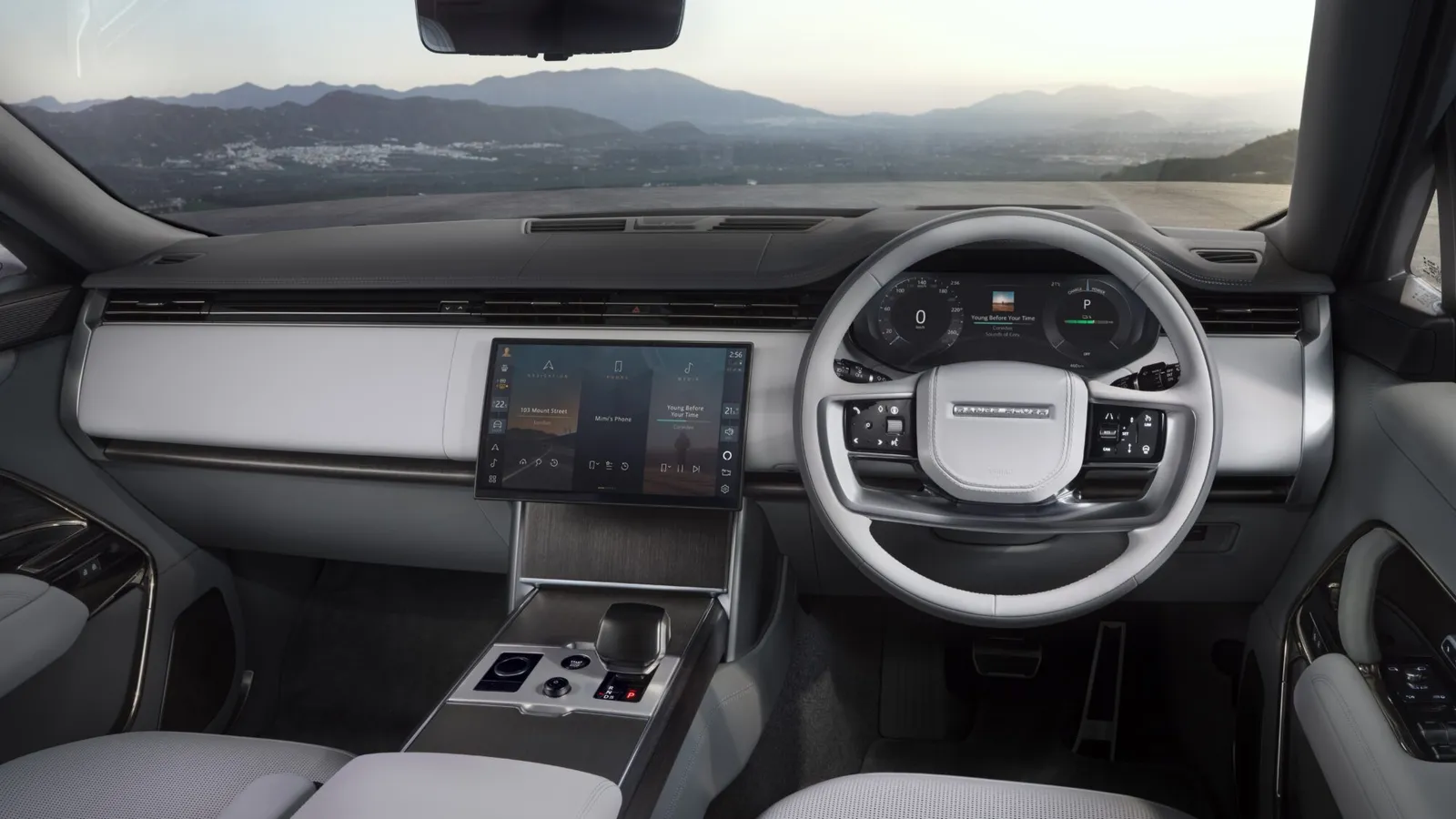
Familiar design with aerodynamic tweaks
Visually, the electric version closely follows the existing Range Rover models. Changes include an aerodynamically optimized radiator grille, wheels matched to it, and a specially fitted underbody. These measures are intended primarily to reduce air resistance during highway driving and thereby improve range. The design of the closed radiator grille varies by market. The SV versions retain their own radiator grille design and their exclusive 22-inch wheels.
The market offering includes a curated first edition, available in the paint colors Belgravia Green, Santorini Black, and Varesine Blue. The interior features the newly introduced Light Cloud Ultrafabrics PU synthetic leather, along with fabrics from Kvadrat. Range Rover plans to provide further details on standard equipment, options, and prices for each variant through its German website.
Advertisement