
Range Rover will leverage its electric vehicles to address one of its recurring problems: reliability
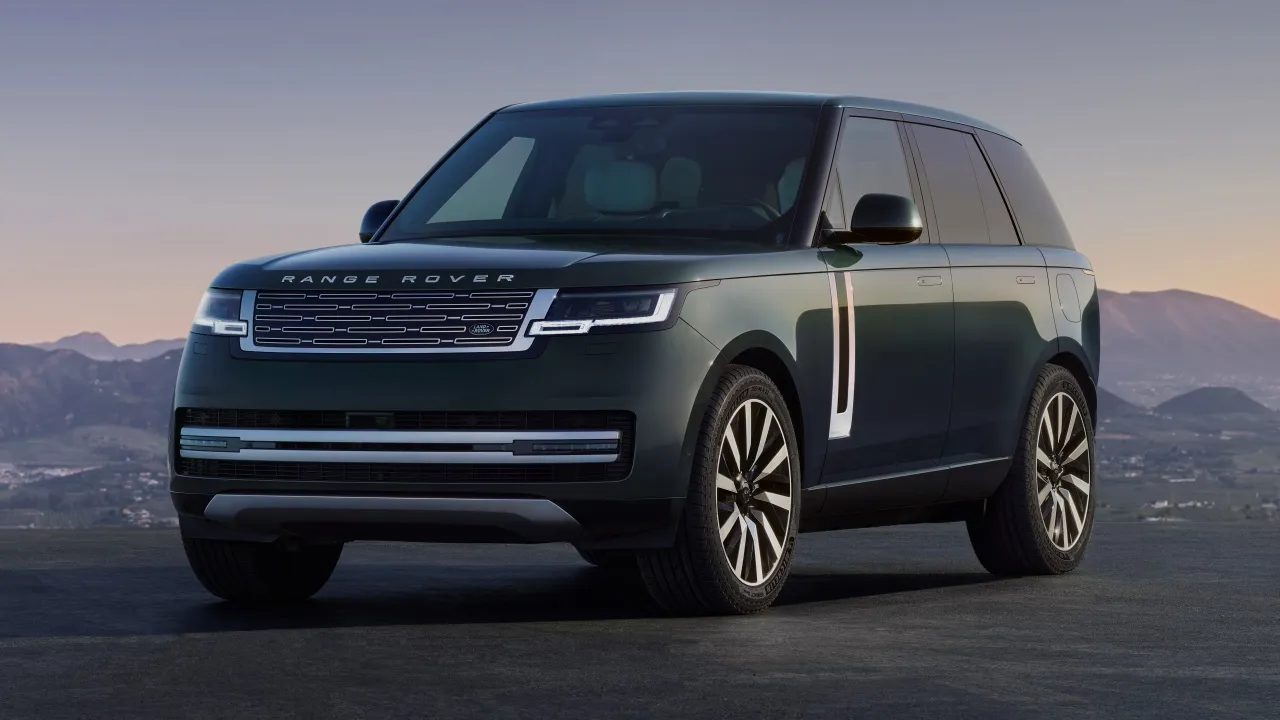
Land Rover is undergoing what is likely its biggest transformation in history. Its model lineup has been split into four separate brands (Discovery, Defender, Range Rover, and Freelander) under JLR’s “House of Brands” strategy; additionally, it has begun electrifying its range with the recent launch of the Range Rover Sport Electric and Range Rover Electric.
Starting Land Rover’s electrification process with the Range Rover makes perfect sense, as it is the brand’s flagship and the most luxurious (and therefore most expensive) model in its portfolio. Following the discontinuation of the Evoque and Velar, all models sold under Range Rover (GT, Sport, and Range Rover) will come in electric versions.
Martin Limpert, head of Range Rover, says electrification will enable the British brand to address one of the challenges it has faced in the past: its reputation for poor reliability. “I still think it’s a gap we need to close, but it’s narrowing.” The executive notes that JD Power’s Initial Quality Study (which analyzes issues in the first 90 days of ownership) shows Land Rover improved from 21st place in 2025 to 10th place in 2026.
Regarding the rationalization of the lineup, Limpert doesn’t hide that Range Rover aims to move up a tier by phasing out its smaller and cheaper models. “Undoubtedly, we want Range Rover to evolve toward the modern luxury segment. The Range Rover Evoque and Velar will coexist until 2027, but it’s no secret that from then on we’ll focus on the other three models.”
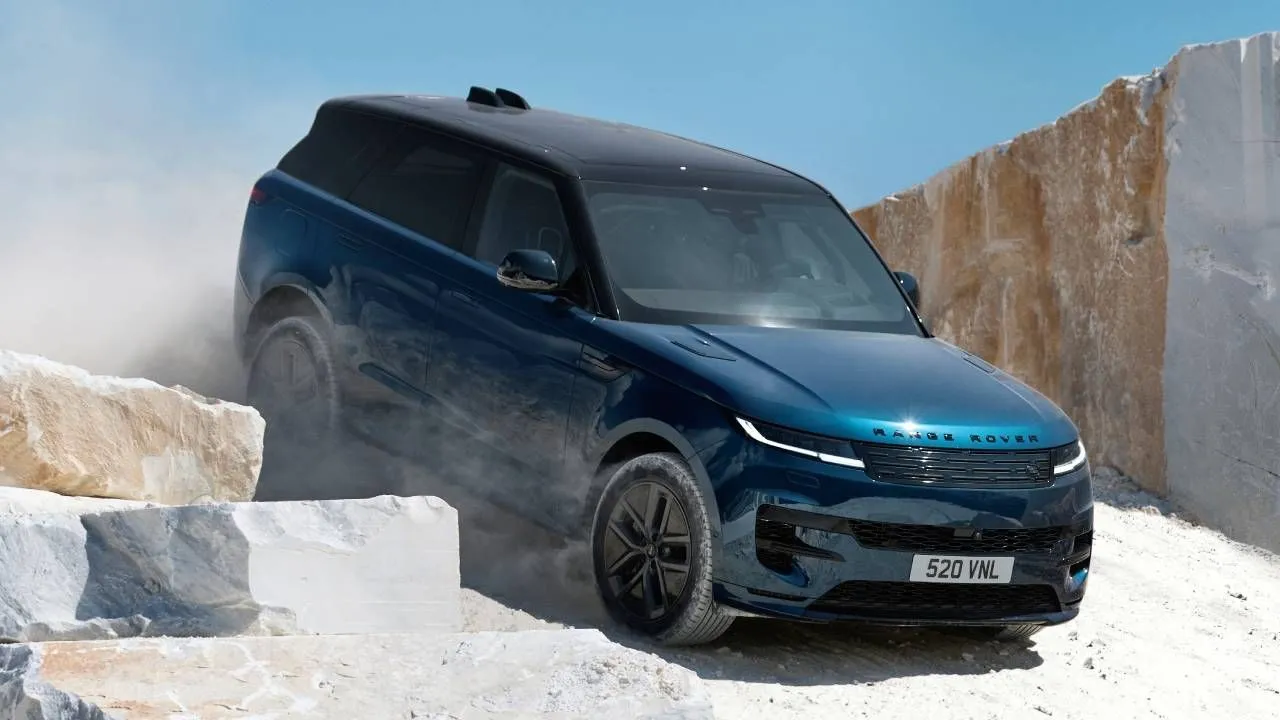
The Range Rover GT is the brand’s latest innovation
The propulsion system developed for the Range Rover Sport Electric and Range Rover Electric is exactly the same: both vehicles are equipped with two electric motors (one on each axle), delivering 449 hp or 551 hp depending on the chosen version. Their massive 118.5 kWh battery capacity provides a range of 600 km WLTP and 609 km WLTP respectively.
It is expected that this will remain the case in the new Range Rover GT, which is built on the same platform (the multi-energy EMA). Nevertheless, it is likely to significantly improve on the range of its predecessors, as it is a much lower and more aerodynamic vehicle. In fact, rather than a SUV, it is more of a crossover with grand tourer characteristics.
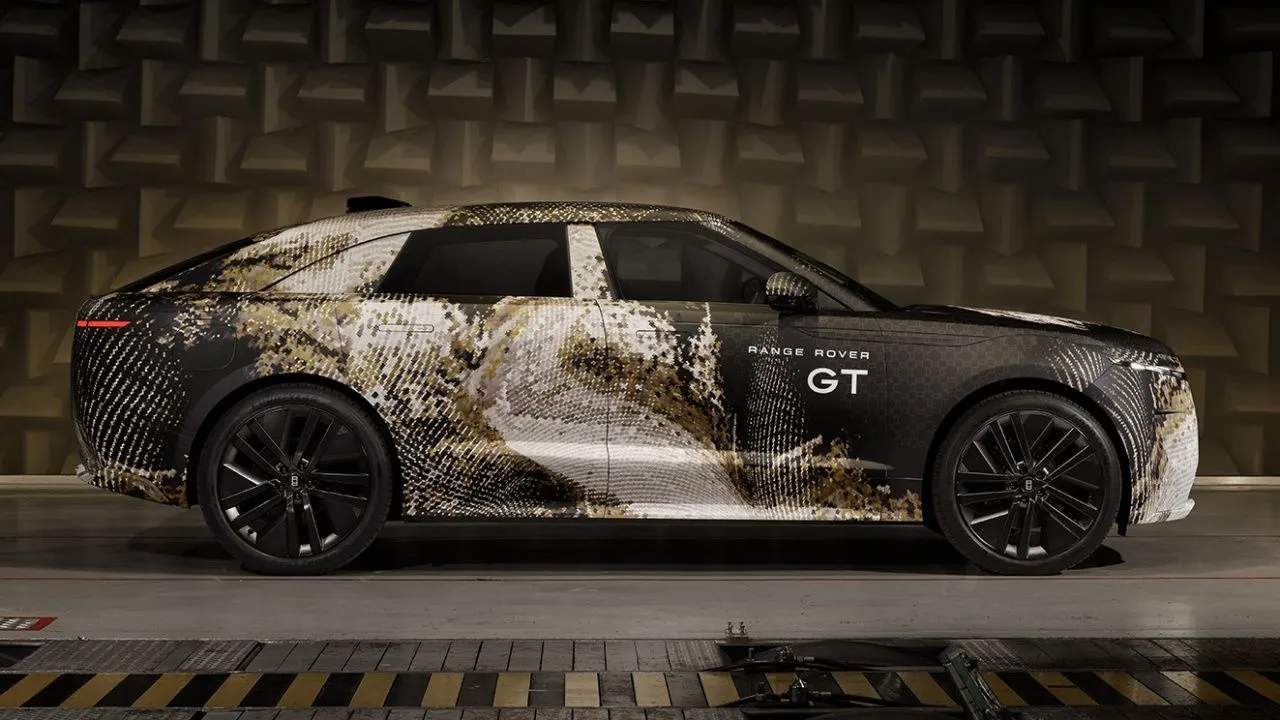
The GT is set to become Range Rover’s new entry-level model once the Evoque and Velar are discontinued. It will be the most road-oriented Range Rover to date, though it is expected to retain some off-road capabilities. Its main competitor will be the Porsche Cayenne Coupé Electric.
Source | Auto Express