
Aims to be the "Apple of cars": Chinese brand under Stellantis unveils second brand after selling 100,000 cars in one month
18/09/2026 16:00
Updated to
18/09/2026 16:00
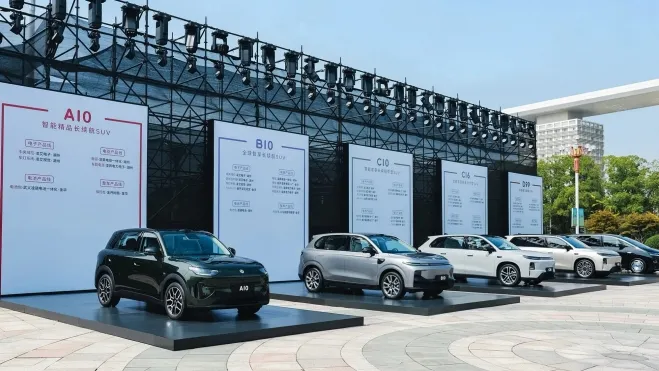
Leapmotor has spent the past few years establishing itself in the Chinese market by accurately targeting various price segments, from the most affordable models to mid-range ones. Now the company aims for a different approach: creating a completely new second brand designed to compete in a higher price segment than what its current lineup occupies. Since its partnership with Stellantis in 2023, the company has continued to grow both within and outside China.
Zhu Jiangming, Leapmotor’s founder, president, and CEO, articulated the goal very clearly: “Current electric cars still largely follow the design logic and functional definitions of traditional internal combustion vehicles.” The new brand aims to break away from this and create what he describes as a “new form” of electric car, comparing the goal to how Apple’s iPhone completely transformed the mobile phone industry.
A positioning clearly above today’s current range
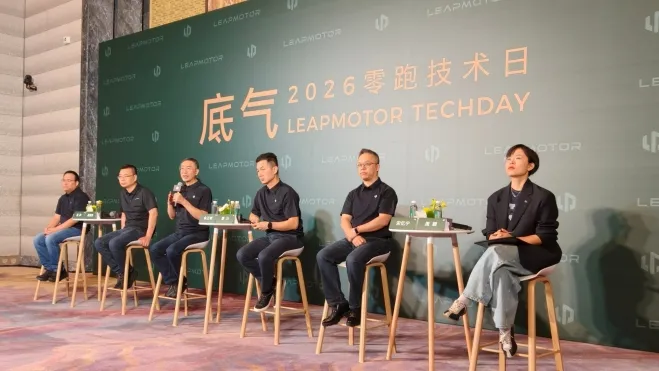
According to prior reports before this announcement, the new brand will sit above Leapmotor’s current lineup, with a target price of around 300,000 yuan, approximately 39,000 euros at the current exchange rate. Zhu emphasized that it’s not just about developing a more expensive model, but rather rethinking entirely how future cars will be used. One of the specific technical goals set by the company is to achieve 100% efficiency in utilizing the vehicle’s usable space.
From transportation to living space
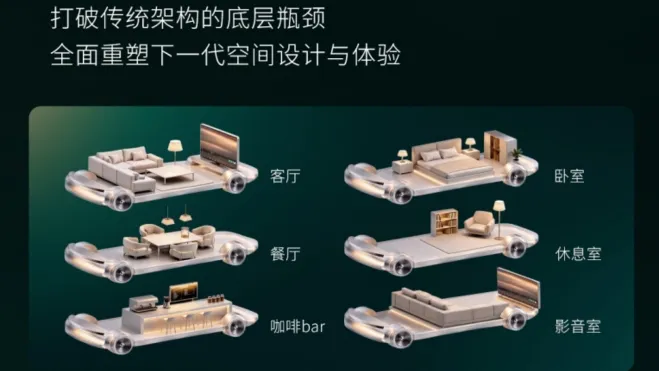
Cao Li, Leapmotor’s senior vice president, explained that the new brand will position its cars as “mobile spaces” rather than mere transportation tools. Through innovations in interior design, advanced driver assistance systems, and new vehicle architectures, future cars could serve as hotels, offices, camping areas, or even cafés.
Zhu added that the new brand will introduce significant innovations in the cabin space by redesigning the vehicle’s structure to break free from traditional car limitations. As autonomous driving capabilities improve, according to his vision, cars will evolve from transportation products into new types of living spaces.
Proprietary technology as the foundation of the project
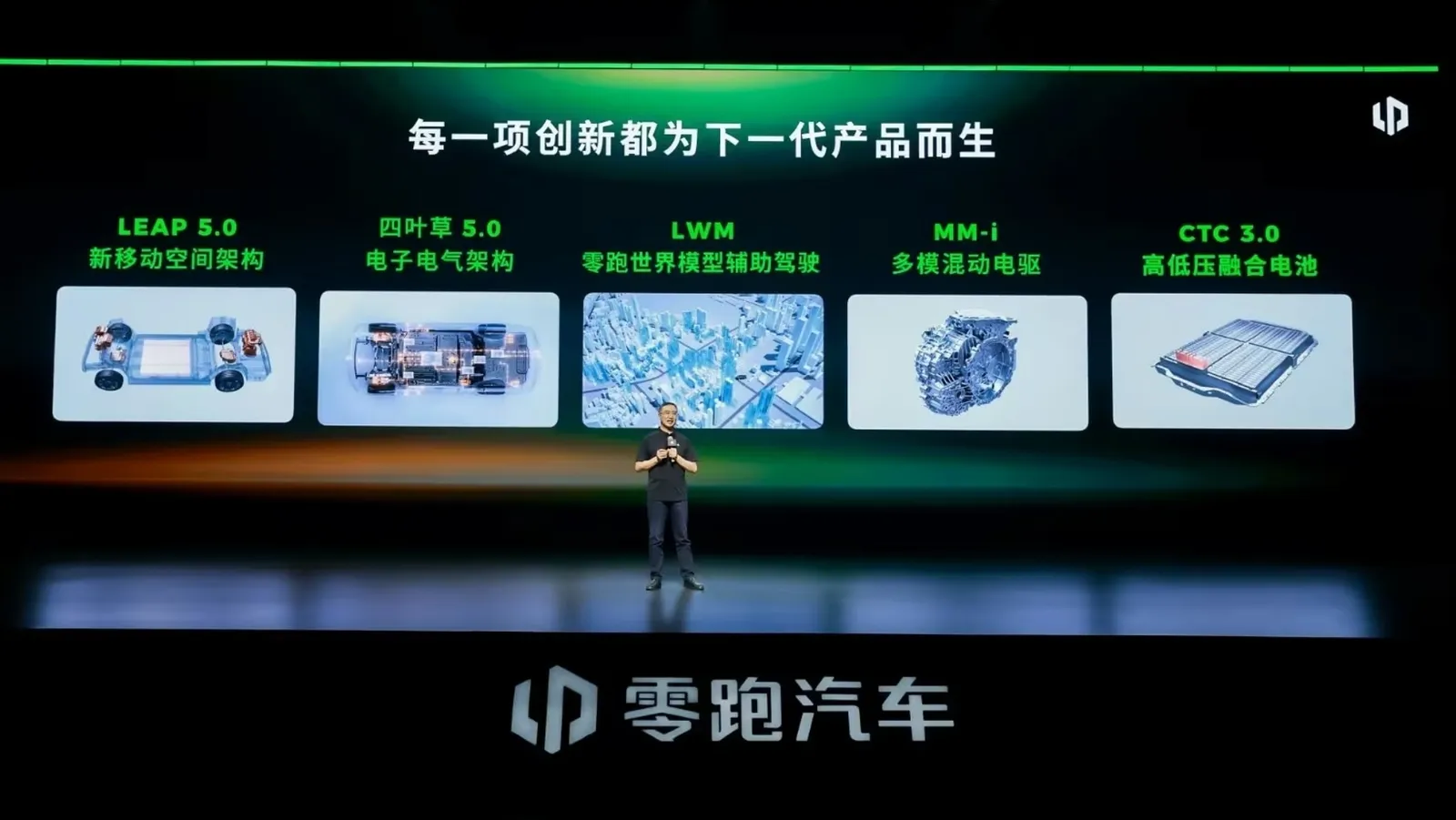
The new brand will rely on several technologies unveiled during the Leapmotor Tech Day, including a new hybrid architecture, a plug-in hybrid direct-drive system, battery cells developed in-house, and highly integrated thermal management systems. The plug-in hybrid direct-drive system is designed primarily for international markets, combining daily electric use with the capability for long-distance travel.
Leapmotor is also increasing its investment in the development and in-house production of key components. According to the company itself, its production capacity for lithium iron phosphate (LFP) battery cells can currently support between 500,000 and 600,000 vehicles per year, with a long-term goal of reaching one million units.
A company that is already growing rapidly
This announcement comes at a time when the brand is experiencing accelerated growth. In August, Leapmotor delivered 103,129 vehicles worldwide, marking the second consecutive month it exceeded 100,000 units and becoming the first Chinese electric vehicle startup to surpass this monthly figure this year.
Leapmotor’s growth strategy has so far relied on expanding its product range and controlling costs to cover as many price segments as possible. This second brand represents a significant shift away from that approach. Whether concepts such as “mobile space” or space efficiency exceeding 100% gain acceptance among buyers will ultimately depend on the final product. By the fourth quarter of 2027, the market will be watching not only the price of this new brand but also whether consumers are willing to embrace this new vehicle concept.