
"We want to remain independent." Renault’s CEO refuses to share its European factories with Chinese groups
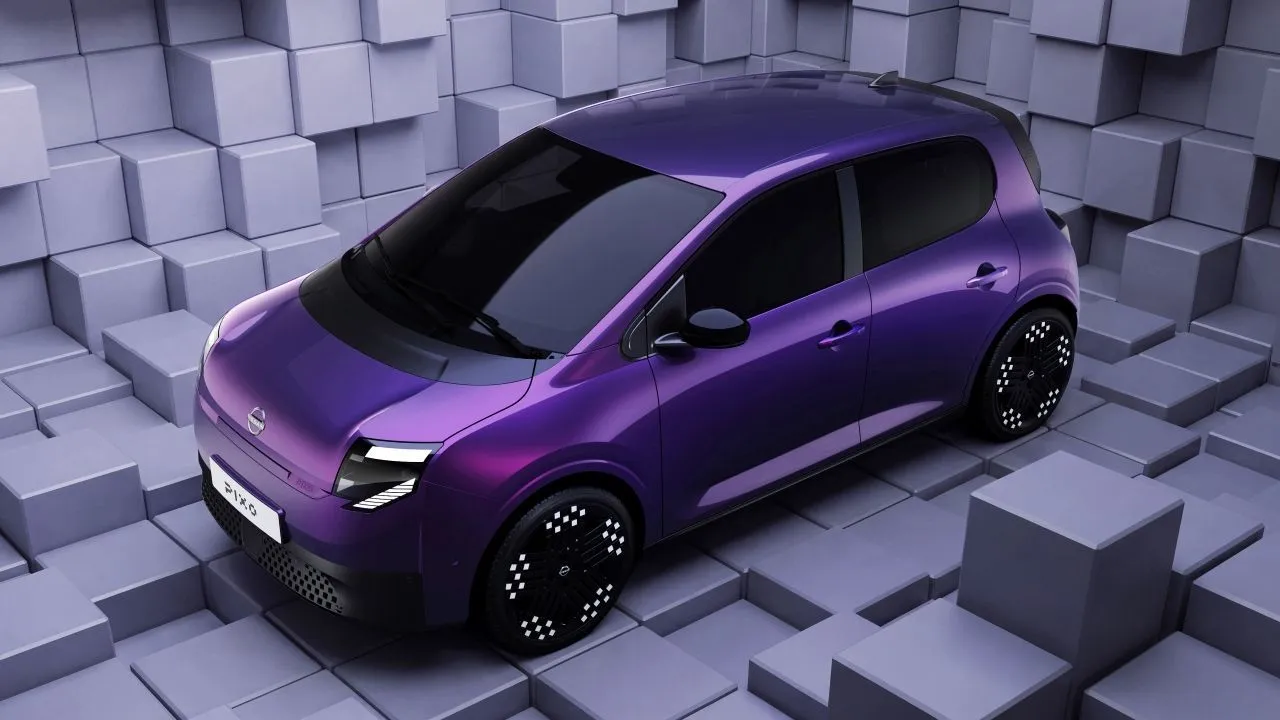
François Provost, CEO of Renault Group, made it clear at the Paris Motor Show that he wants to maintain the company’s independence in the European market. Despite its increasingly close relationship with Chinese giant Geely, Renault does not plan to use its plants on the old continent to produce vehicles for third parties... unless they employ Renault’s technology, as is the case with the Mitsubishi Eclipse Cross and Nissan Micra, which are based on the Scénic and R5 respectively.
Currently, Renault and Geely own a joint venture (Horse) focused on the development and production of internal combustion engines and hybrid systems. Additionally, Renault manufactures vehicles for the Chinese group at its plants in Curitiba (Brazil) and Busan (South Korea), and even sells certain models (Grand Koleos, Filante) based on its partners’ products.
This strategy will not be replicated in Europe, Renault’s largest market. While other local manufacturers are offering their excess production capacity to Chinese automakers, Renault’s European plants are currently operating at over 85% of their capacity, leaving no room for such collaboration. The company wants to maintain its independence and will only accept partners that use Renault-derived technology.
This is the basis of its recent agreement with Ford: the upcoming Fiesta and EcoSport models will be built on the R5 and R4 platforms at Renault’s plants in Douai and Maubeuge. Ford will merely redesign their bodies to distinguish them from the original models and make adjustments that reflect the brand’s character. But underneath, there will be no changes compared to their French counterparts.
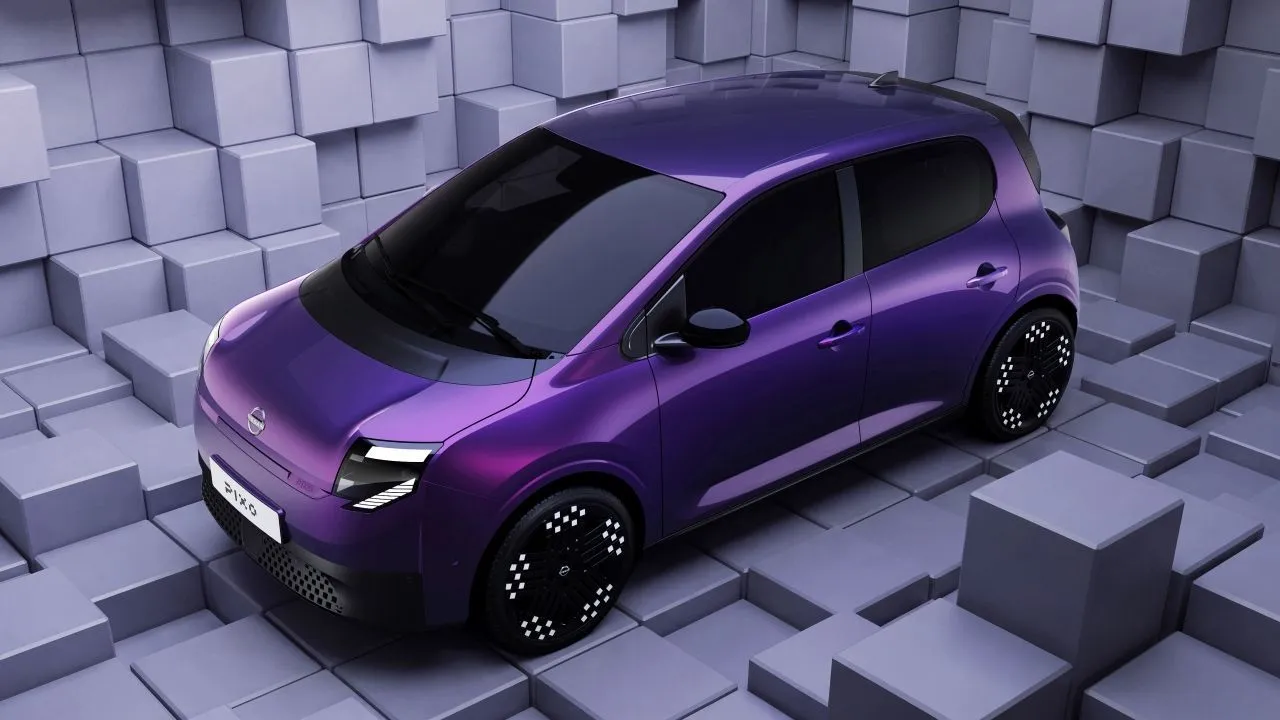
Renault wants its next electric cars to be as profitable as hybrids
"In Europe, we want to remain independent. We want to prove that a European automaker can develop vehicles in two years and stay at the forefront of today’s key technologies, both in electric vehicle supply chains and software."
Although the recent Twingo was developed in two years with the help of Chinese engineers, Renault’s future projects are expected to follow this new two-year standard. To achieve this, half of the engineers in the workforce have been trained in new fields such as batteries, software, and electronics.
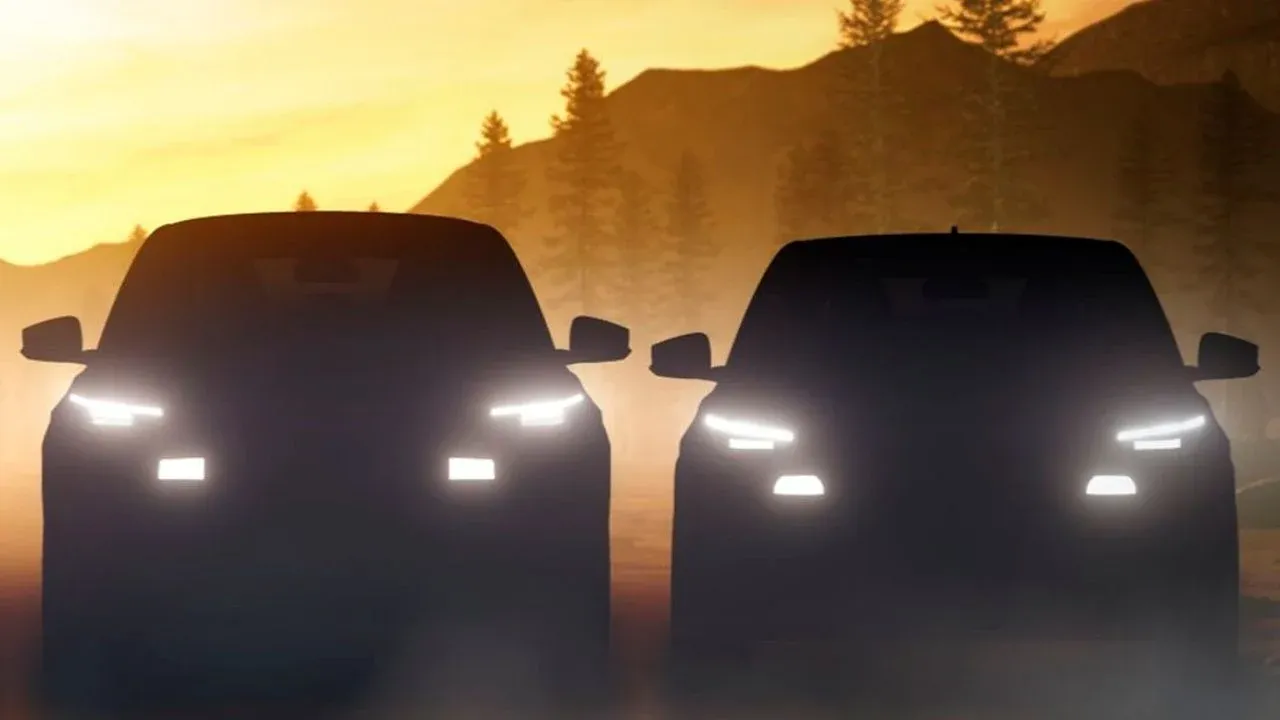
Provost acknowledges that electric cars remain, on average, less profitable than conventional vehicles; however, the Twingo, R5, and R4 models have achieved profit margins higher than those of the Mégane and Scénic. The goal is for their next generation of electric models to reach a profitability level similar to their hybrid counterparts. Finally, the executive emphasizes the need to create a complete European value chain that includes the extraction and refining of raw materials required for battery production.
Source | ecomento