
Which dashcam for your car? Our 2026 model selection
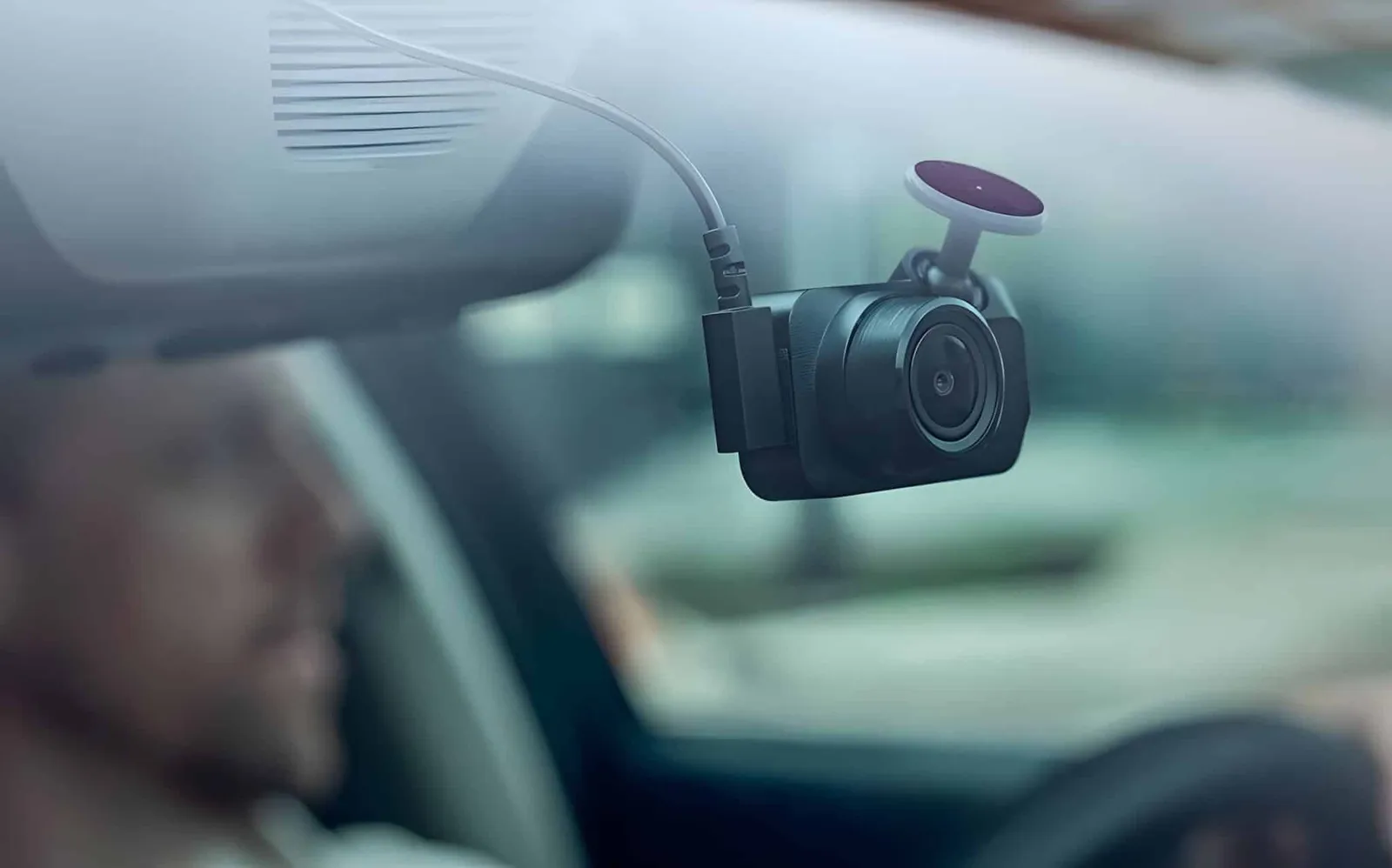
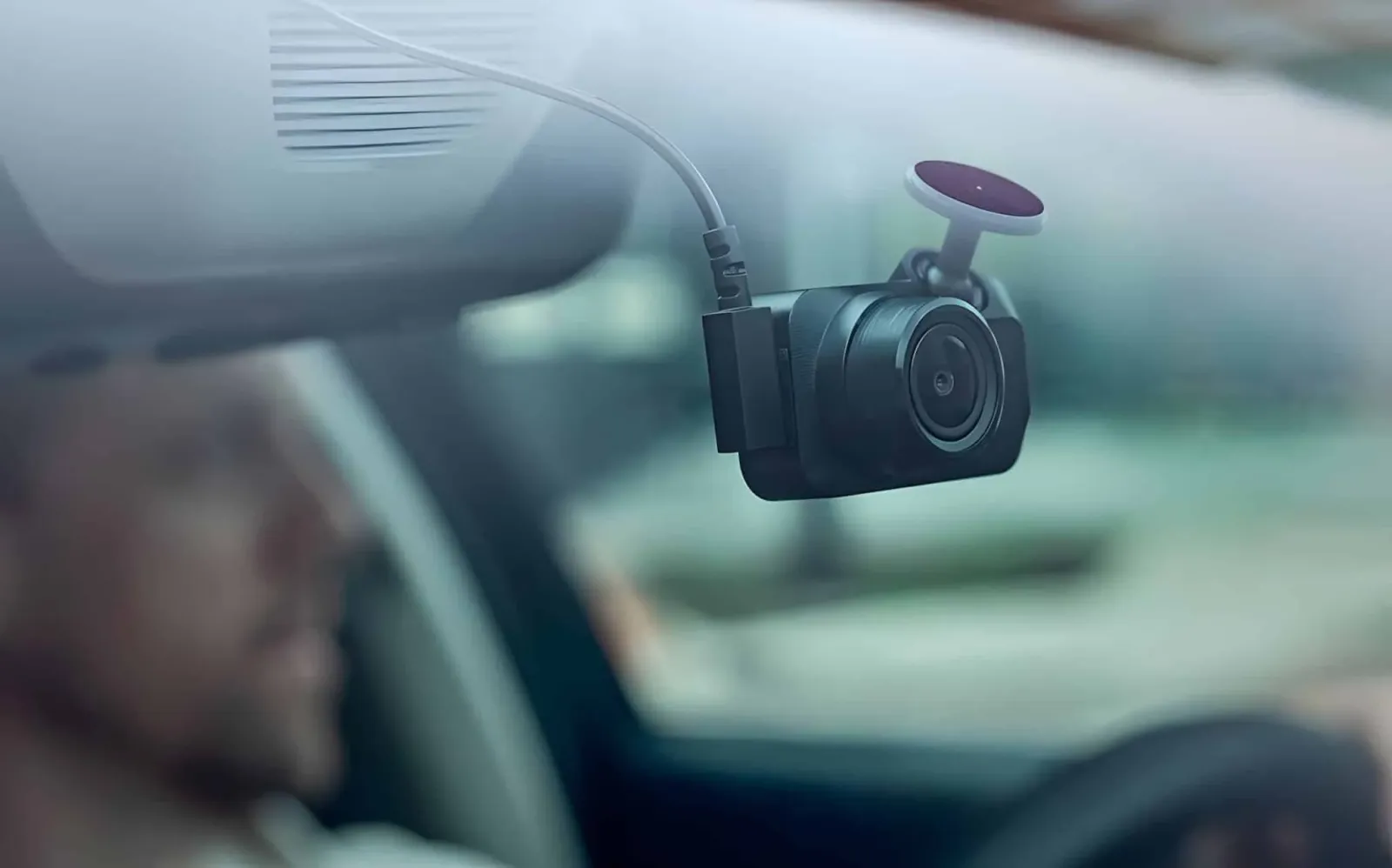
A dashcam is an essential device for driving with peace of mind. Whether it’s a front, rear, or 360° camera, we review the top models and the criteria for choosing one that fits your needs and budget.
A dashcam records the road continuously, providing evidence in case of an accident. Some also monitor the car while parked, which is a useful feature in daily life. The table below summarizes the selected models before going into detail by brand.
Also read: Finding the right auto insurance for your electric car
Comparison of dashcams from our 2026 selection
Model
Definition
Angle
GPS & connectivity
Price
Garmin Dash Cam X310
4K
140°
GPS, wifi, Bluetooth
Starting at 329.40 €
Garmin Dash Cam Mini 3
1080p
140°
Bluetooth (no GPS)
Starting at 129.99 €
Pioneer VREC-Z710SH
1080p
139°
GPS, wifi
Starting at 184.99 €
Pioneer VREC-130RS
1080p
139°
No connectivity
Starting at 81.19 €
Nextbase iQ 4K
4K
—
4G, wifi, GPS
Starting at 1005.93 €
Nextbase 622GW
4K
140°
GPS, wifi, Bluetooth
Starting at 256.80 €
Nextbase 122
720p
120°
No connectivity
Starting at 69.95 €
Garmin dashcams: quality and footage up to 4K
While Garmin has built a strong reputation in the sports industry, the American brand also offers dashcams for use in cars. The products are divided into two categories: those with a screen (X series) and those without (Mini series); all record at a 140-degree angle.
Garmin Dash Cam X310, X210, and X110
The Garmin Dash Cam X310, X210, and X110 are largely similar: they have the same size casing (7 x 4.22 x 1.95 cm) and a small 2.41″ screen with a resolution of 480 x 272 pixels. This screen allows users to view recorded video clips directly on the camera without removing the micro-SD storage card (not included) or using a smartphone via Bluetooth. What differs among these three cameras is the quality of their optics: 4K for the X310; 1440p for the X210; and 1080p for the X110.
As for the rest, these cameras are connected and, with a subscription to the Vault service (10.99 €/month), they can alert the car owner via their phone (Garmin Drive app) in case of a collision detection. This also allows real-time remote monitoring of what’s happening in front of the vehicle. Another common feature is that the camera beeps when a lane is crossed or an imminent collision is detected, and the video clips are geotagged (with GPS coordinates) along with speed information. Finally, a voice command system enables video recording on demand.
A brief overview of the X series:
Resolution: 4K (X310), 1440p (X210), 1080p (X110)
Screen: 2.41″ (480 x 272 px)
Viewing angle: 140°
Connectivity: Garmin Drive app, remote collision alert (Vault subscription at 10.99 €/month)
Plus: GPS geotagging, lane departure warning, voice commands
Garmin Dash Cam Mini 3
The Garmin Dash Cam Mini 3 is more minimalist. This very compact model (5.2 x 3.2 x 2 cm) has no screen and records in Full HD (1080p) at 30 frames per second; however, it retains a polarized lens for better clarity. There is no GPS location or speed information, but you can use your smartphone to view the videos stored on the micro-SD card (not included).
Pioneer dashcams: discreet and comprehensive
The manufacturer Pioneer offers a wide range of dashcams for cars.
Pioneer VREC-Z710SH
Although very compact (9 x 5.4 x 3.5 cm), the Pioneer VREC-Z710SH features a control screen that allows viewing of recorded videos without removing the microSD card. Its non-polarized lens offers FHD (1080p) resolution at 30 frames per second, with a 139° diagonal viewing angle.
It also includes a sound alert system for lane departure warning (LDWS) or imminent collision warning (FCWS). It can connect via Wi-Fi (regrettably, no Bluetooth) to a smartphone and provides geotagging for videos through its built-in GPS chip, which also includes speed information.
Pioneer VREC-130RS
With its GoPro-like action camera appearance, the Pioneer VREC-130RS dashcam is very compact (9 x 5.4 x 3.5 cm), yet it still features a small control screen. Its lens records in 1080p at 30 frames per second with a 139° diagonal viewing angle. This model does the bare minimum, saving video clips to a microSD card (not included) when it detects a collision. It lacks any driving assistance features or smartphone connectivity. A simple dashcam, but at a low price.
Nextbase dashcams: the specialist brand
As an American brand specializing in dashcams, Nextbase offers a fairly wide range of models, with prices varying from a few dozen euros to several hundred euros depending on the included features.
Nextbase iQ (4K, 2K, and 1K)
Nextbase’s premium series is called iQ and comes in three different models: iQ 4K, iQ 2K, and iQ 1K; as you can guess, the difference lies in the resolution of the front and interior cameras (yes, this model also has a camera facing inside the cabin). Otherwise, it offers top-tier luxury with 4G and Wi-Fi connectivity to monitor what’s happening outside and inside your car via a mobile app. This system also sends notifications if the camera detects unusual activity around the vehicle. It uses AI (advanced algorithms) to avoid false alarms and respond as quickly as possible.
In the event of an accident, the camera uses its connectivity to call emergency services if you are no longer able to respond. The built-in GPS also allows you to provide the rescuers with your exact location. The most interesting feature is the video clips recorded during accidents: colored blocks surround the surrounding vehicles, indicating their distance and speed at the time of the incident. This is ideal for obtaining precise details about the accident.
The connected features require a subscription. The free subscription includes the iQ app, voice control, and real-time notifications. The Protect subscription (69.99 €/year) adds image alerts and live view, AI-powered functions (parking and road monitoring), remote alarm, and cloud backup. Finally, Protect+ at 99.99 € extends cloud storage duration, adds emergency calls, and includes an extended warranty.
A brief overview of the iQ series:
Resolution: 4K, 2K, or 1K depending on the model
Cameras: front and interior
Connectivity: 4G and Wi-Fi, mobile app
Detection: AI to reduce false positives, unusual behavior alerts
Additional features: GPS, emergency calls, distance and speed limits on clips (Protect subscription 69.99 €/year, Protect+ 99.99 €)
Nextbase Series 2: 622GW, 522GW, 422GW, and 322GW
Simpler in design, the Nextbase Series 2 dashcams adopt a more conventional approach with their small control screen. At the top of this series is the Nextbase 622GW, equipped with a 4K sensor at 30 frames per second featuring polarized optics, stabilization, and a 140° diagonal field of view. The sensor also supports HDR and WDR for clear images with proper exposure. It includes a GPS module that can record the vehicle’s GPS coordinates and speed alongside the video clips captured during collisions.
It also offers advanced features such as park mode, which records events while the car is parked; an emergency call function in case the driver fails to respond during an accident; and integration with Amazon Alexa’s virtual assistant. This allows users to control the device via voice to start recordings or interact with connected devices (“open the garage”).
A brief overview of the 622GW:
Resolution: 4K at 30 frames per second
Viewing angle: 140° diagonally
Optics: polarized and stabilized, with HDR/WDR support
GPS: built-in (for tracking coordinates and speed)
Additional features: park mode, emergency call, Alexa compatibility
The 522GW, 422GW, and 322GW models are slightly less expensive and differ in having an unstabilized, non-polarized sensor with lower resolution—1440p for the first two and 1080p for the third. The size of the touchscreen also varies, getting smaller as you move down the range. However, they all offer advanced connectivity features and Alexa compatibility.
Nextbase 122
The Nextbase 122 is the most affordable model. Its small 720p sensor is neither stabilized nor polarized. Being non-connected, it only records videos in case of impact to a microSD card (not included). Its viewing angle is limited to 120° as well.
The right model depends mainly on your usage and budget. Here are the key factors that make a difference.
Definition: Full HD is sufficient for viewing a license plate. 2K and 4K enhance details at greater distances.
Viewing angle: Aim for 130 to 140 degrees forward. A 360° camera also covers the sides and interior of the vehicle.
Front only or front/back: A second sensor records what’s behind the vehicle. Useful in case of a rear-end collision.
Wired, wireless, or Wi-Fi: Wi-Fi transfers videos to a smartphone. Wireless makes installation simpler.
GPS: It timestamps and geolocates each video clip. This is advantageous for insurance purposes.
Parking mode: The camera monitors the parked vehicle. It triggers when any impact occurs.
Night vision: It maintains a clear image at night. Check if you drive frequently in the evening.
Screen and impact detection: The screen plays back clips on site. Impact detection locks in the relevant video.
Dashcam and electric vehicles: what changes
In an electric vehicle, the dashcam raises two issues specific to this type of vehicle.
Parking mode and 12-volt battery
The parking mode draws power from the 12-volt battery even when the engine is off. In an electric vehicle, this battery also powers the onboard electronics. A dashcam that consumes too much power can strain it while the vehicle is stationary. Choose a model with automatic shutdown or voltage threshold features. Many guides recommend using a dedicated power source for long-term parking.
Integrated or external dashcam: the case of Sentinel mode
Some vehicles already come equipped with built-in cameras. At Tesla, the Sentinel mode uses the car’s cameras to monitor the surroundings while parked. The system records impacts and suspicious approaches. It eliminates the need for an external dashcam but remains integrated with the brand’s ecosystem. We detail how it works in our article dedicated to Sentinel mode.
Dashcam: What does the law say in France?
Is it legal to use a dashcam?
Yes, dashcams are allowed in France for private use. You can keep the footage or share it with insurance companies and authorities. However, publicly broadcasting identifiable individuals is prohibited without their consent. The camera must not obstruct the driver’s view.
Is a certified dashcam required?
No specific approval is required for private use in France. The term “approved” mainly serves as a marketing argument. What matters is compliance with data and visibility regulations. A video obtained legally can be used as evidence to insurance companies.
Dashcam and Insurance: Evidence in Case of an Accident
Images from a dashcam help determine responsibilities after an accident. They can be provided to insurers or authorities, provided the recording was made legally. For electric vehicles, insurance considerations require special attention. Our car insurance guide covers the coverage options suitable for electric vehicles.
FAQ – Dashcam for Cars
Where should a dashcam be installed in a car?
The dashcam is mounted on the windshield, behind the rearview mirror. This location allows for wide-angle recording without obstructing the driver’s view. A second module is placed on the rear window to cover the back area.
How does a car dashcam work?
The dashcam records the road in a loop on a micro-SD card. When the card is full, newer images replace the older ones. In the event of a collision, a sensor locks the footage to prevent it from being erased.
How are dashcams powered?
Most are connected to the vehicle’s cigarette lighter. A direct connection to the electrical system enables recording while the car is stopped. Some models include a small internal battery with limited runtime.
Does a dashcam turn on automatically?
Yes, most models start when touched. Many remain in standby with the engine off and react to impact. This is convenient for monitoring the car while parked.
Are there cars with built-in dashcams?
Yes, several manufacturers include cameras as standard equipment. Teslas and their Sentinel mode are well-known examples. These systems connect to other vehicle components for automatic recording.