
When wind power slows population decline in small towns
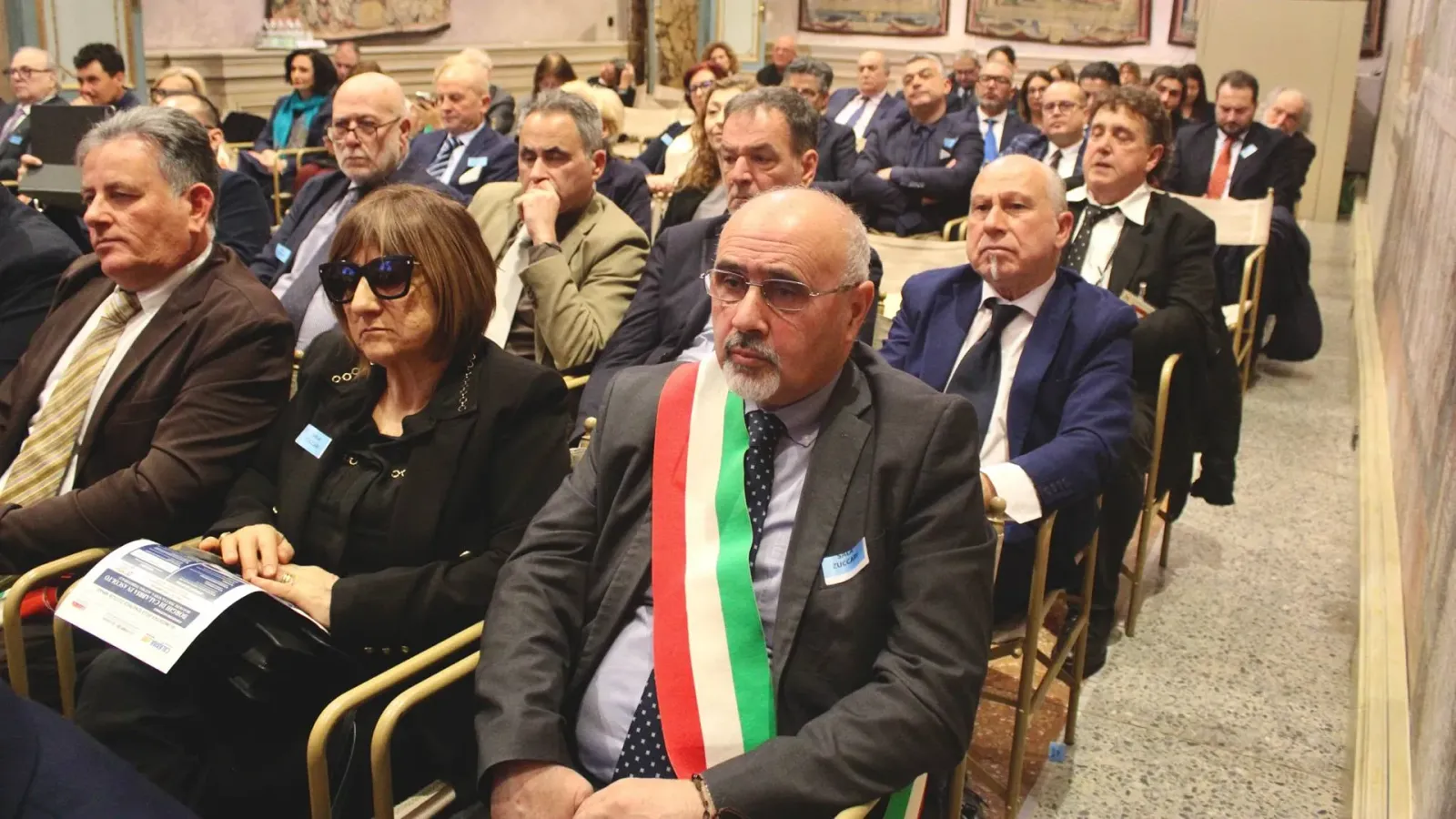
Wind power as a remedy against depopulation. It’s not just a slogan but the result of 20 years of experience in the small Calabrian town of San Sostene, documented by Mayor Luigi Aloisio, who views wind turbines as a true blessing from heaven. “My town is one of the few mountain and semi-mountain communities in Italy where the population is increasing rather than declining,” he said in an interview with Avvenire. These words echo those of the mayor of Ploaghe, who is working to support the repowering of the wind farm that has been operating in his Sardinian town for 20 years. These stories reveal a clear pattern: towns that have had wind turbines for a long time—when the current polarization did not exist—tend to defend the turbines on their territory. In contrast, as we saw in the small towns of Londa and Ferriere, new projects are often opposed.
In San Sostene, there are 200 more residents: wind power covers 30% of the budget and doesn’t drive away tourists—indeed, it helps…
This small community in the province of Catanzaro has managed to halt the depopulation plaguing rural areas across Italy, including the north, by attracting new residents. This success stems from services provided to the population and investments in developing natural and historical tourism. It’s concrete proof that wind turbines are not, as some claim, a deterrent to visitors.
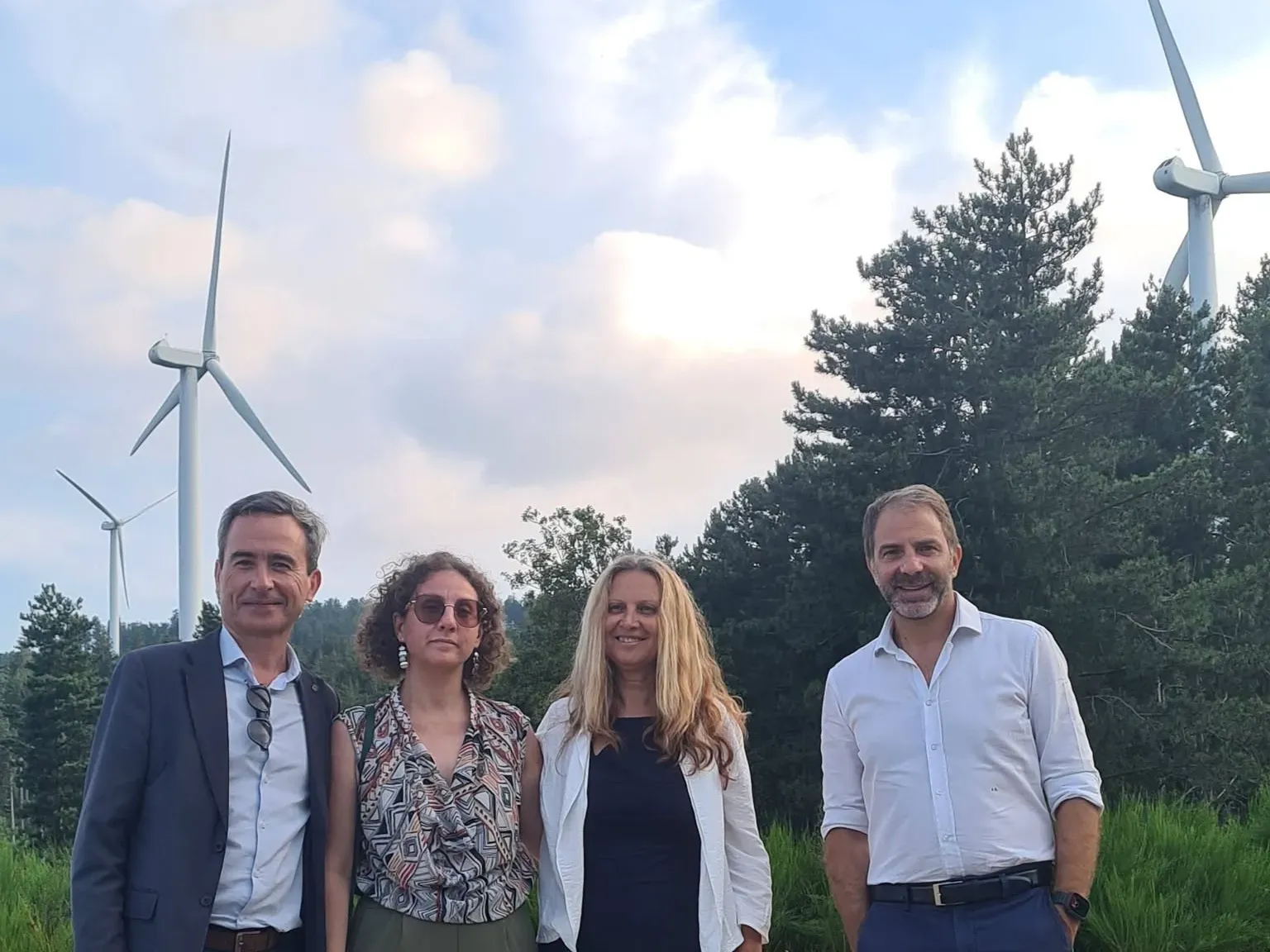
And it’s not a minor installation: San Sostene’s wind farm has 43 turbines, each 80 meters tall, operating since 2010, with an average annual output of 155 GWh.
Balls on the photovoltaic panels: life exists beneath them
There’s no exodus of tourists; in fact, the opposite is true. And the town’s budget is in surplus. “We receive 300,000–400,000 euros per year from the company that manages it, which accounts for 30% of the town’s budget,” explained Mayor Luigi Aloisio to Avvenire. “My town is one of the few mountain and semi-mountain communities in Italy where the population is increasing rather than declining.”
The increase is 200 residents compared to the census 35 years ago: a 15% growth rate, which is in sharp contrast to the negative trend seen in most small Italian towns.
Using money from wind energy for a disability center and free school buses
The wind power project in San Sostene is not just about energy: it brings tangible social benefits. Thanks to the income from the wind farm, the municipality funded a center for people with disabilities that houses 17 residents and 8 staff members. “No other town in the area wanted to build one; we created it in the old town using funds from wind power,” says the mayor.
Fake news: Italy’s hottest town? Blamed on solar panels
In addition to this, there are other facilities: a Sai (system for reception and integration) that accommodates 20 unaccompanied foreign minors, staffed by 8 workers; a hostel with 30 beds in a building from the 18th century, purchased and renovated by the municipality, now attracting tourists interested in mountain trails. The town hall was also renovated—“we decided not to move it to the seaside district”—along with the new post office.
In addition to public works, the municipality has also invested in renewable energy for direct use: solar panels installed in the schools in the coastal area, which are accessible to students from the village via a free school bus, funded in part by wind energy revenues.
However, despite their importance, compensations are not always sufficient. The case of Londa—and that of dozens, if not hundreds, of municipalities rejecting such projects—shows that social acceptance is not guaranteed. Municipal councils unanimously rejecting wind energy proposals remain very common.
Ferrareans enthusiastic about renewables: 87% in favor
In San Sostene, however, there is a decisive factor: job creation. Twenty people are employed in the management and maintenance of the park, while another 12 work on the mountain trails. This represents a significant employment impact for a municipality of this size, which helps explain why wind energy is seen here as a resource rather than a threat.
Visits also to the rebellious Sardinian municipalities
And does wind energy pay off politically? In San Sostene, it seems to. Luigi Aloisio, a member of a center-right list, was re-elected for three consecutive terms as mayor. “Some people choose to move here, and new businesses, pizzerias, and restaurants are opening. In fact, there are even more applications than available,” he explains.
Sardinia: thousands of wind turbines set alight. And we’re already at three attacks
Protests from neighboring municipalities were not absent, with them “accusing us of damaging them with wind turbines.” Aloisio rejects these accusations, saying, “That’s not true; nature is thriving even beneath the turbines.” To support his claim, the mayor cites not only Legambiente but also Greenpeace. He adds a significant detail: “Other municipalities from all over Italy come to learn from our experience. Even from Sardinia, where they don’t want wind energy.”
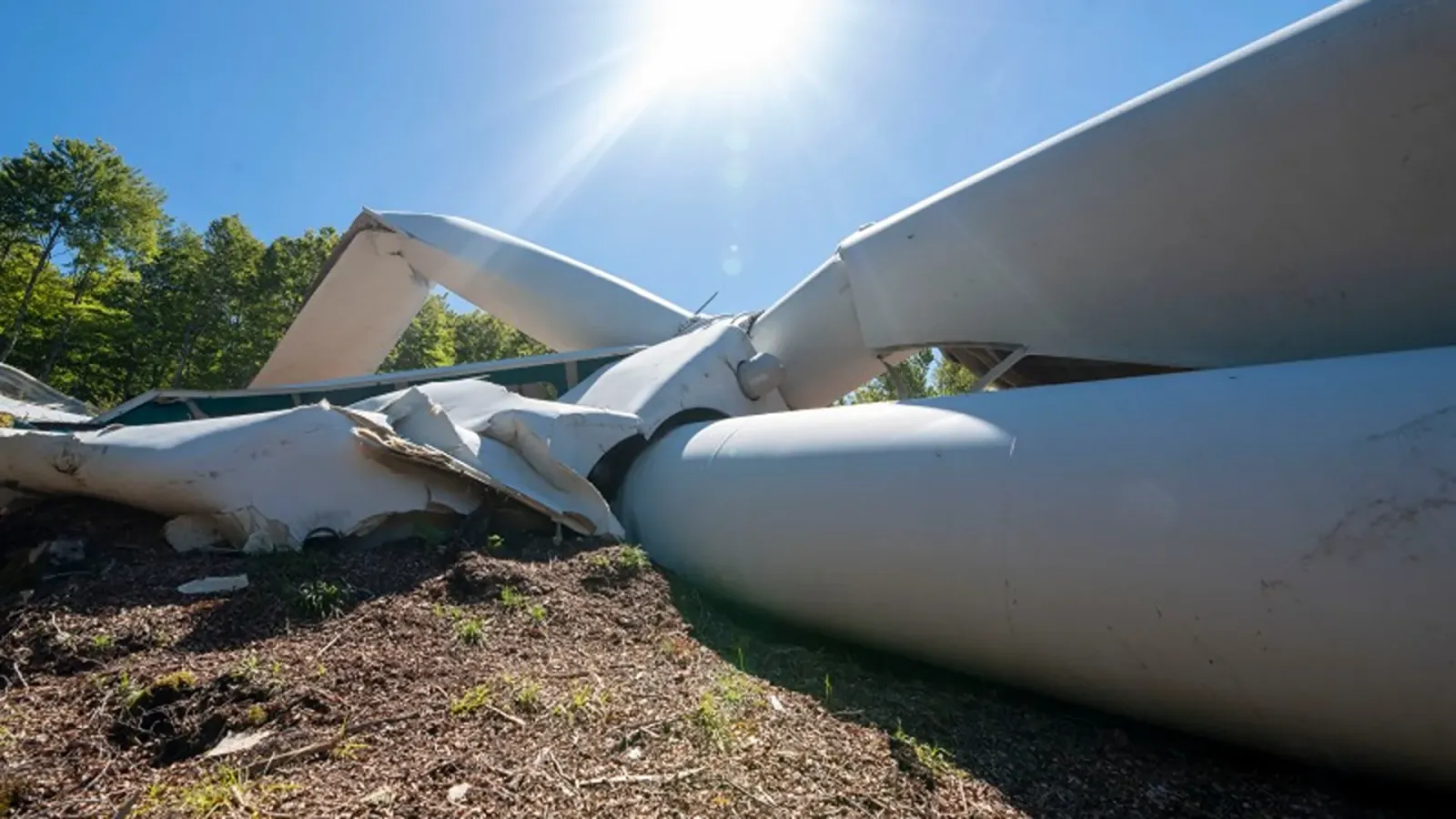
By the way, the Sardinian No Watt group used a photo of a turbine with problems at San Sostene to claim they are dangerous. But the mayor explained to local newspapers that no turbine has ever fallen. “A few months ago, a turbine simply tilted, and it was immediately secured and inspected by specialized experts. It will be removed in a few days and then replaced. It was taken down for examination because even the smallest details of turbines are monitored. There’s talk of turbines falling, but that’s not true; in fact, three more will be installed.” A thousand lies from those opposed to wind energy.
READ ALSO: Sardinia, festival of bulls against renewables and watch the VIDEO
Previous Article
Auto&climate: Europe is us all (and it doesn’t impose anything on us)
Next Article
Ads in newsstands: an idea to pass the time?