
Q3 Results: Electric Vehicles Remain a Loss-Laking Business for Ford
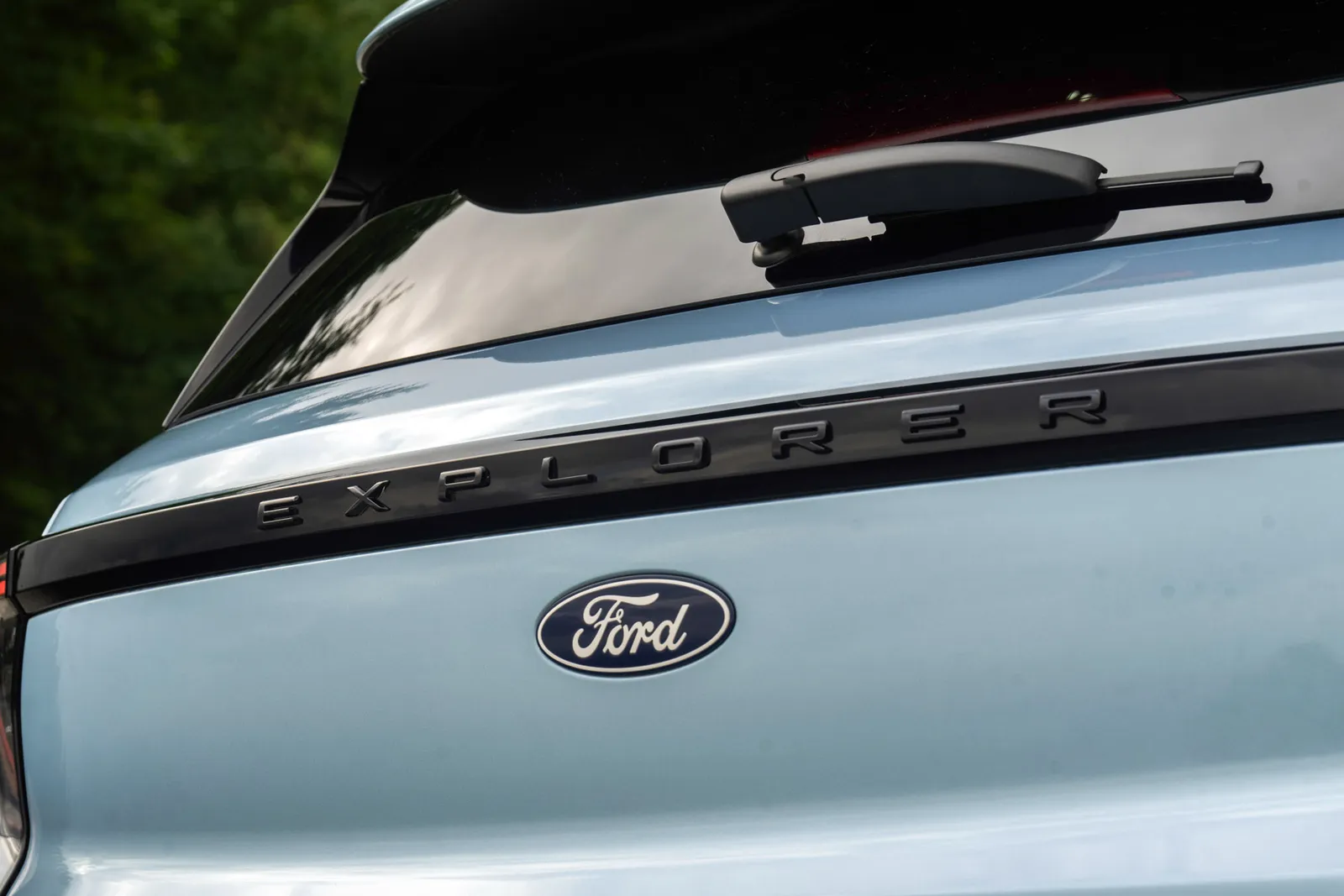
Ford has released its financial results for the third quarter of 2026. For the American automaker, fully electric vehicles remain a massive loss-making segment: The Model e division incurred a loss of $1.1 billion between July and September. This represents a smaller deficit than in the previous year’s quarter.
Image: Ford
Ford reported a loss of around $1.1 billion for the third quarter, down from $1.4 billion in the previous year’s quarter. In other words, the company improved by $300 million, but its electric vehicle division remains deeply in the red. Ford’s sales in the electric vehicle segment were also only $1.2 billion in the third quarter, compared to $1.8 billion during the same period in 2025, when expiring tax incentives in the U.S. led to many preemptive electric vehicle purchases. So, unsurprisingly, things are declining here.
Important for understanding: In the Model e segment, Ford has only placed fully electric vehicles such as the Puma Gen-E, the Explorer built in Cologne, and the Mustang Mach-E, but not electric vans like the E-Transit, which belong to Ford Pro’s division. This segment is facing difficulties in the U.S., especially since the Trump administration eliminated the $7,500 tax credit for purchasing an electric vehicle on September 30, 2025.
In response, Ford already discontinued the electric pickup F-150 Lightning in the fall of 2025, though inventory remained available at Ford dealerships through that year. Additionally, in December 2025, Ford announced substantial write-downs of $19.5 billion, primarily in its electric vehicle business, because the company’s expectations for the growth of electrified vehicles had not been met so far.
This is also for context regarding the back of the head, in relation to the quarterly figures now reported. In addition to sales of $1.2 billion (-33% year-over-year) and an earnings before interest and taxes (EBIT) loss of $1.1 billion (-21% year-over-year), Ford also provides an approximate sales figure: around 34,000 BEVs in Q3 (compared to about 50,000 in Q3/2025; -32% year-over-year). Sales and revenue were roughly at a similar level in the preceding quarters as well.
Ford attributes the slightly larger loss of $1.1 billion compared to the first half of 2026, among other factors, to higher investment costs for
next-generation products and the development of the new subsidiary Ford Energy. The EBIT margin settled at -86.5% in Q3.
Ford plans to “further optimize” its first-generation electric vehicles in terms of profitability, while simultaneously accelerating the launch of more affordable, highly scalable electric vehicles using the platform announced last August, Ford Universal EV (abbreviated as UEV), as well as expanding its new battery storage business, Ford Energy.
Looking at the full year, Ford made it clear at the start of the year that it expects an EBIT loss of $4.0 to $4.5 billion for Model e, up from $4.8 billion in 2025. After three out of four quarters, the deficit for 2026 is currently estimated at $3.5 billion. Therefore, this estimate could prove quite accurate.
It is clear that the Model e segment currently accounts for only a fraction of Ford’s total business. Total sales in the first quarter were 49.5 billion US dollars, with adjusted EBIT at 2.7 billion US dollars.
ford.com (PDF, Page 13)