
PVPC or free market? Which rate is more favorable for charging an electric car in Spain
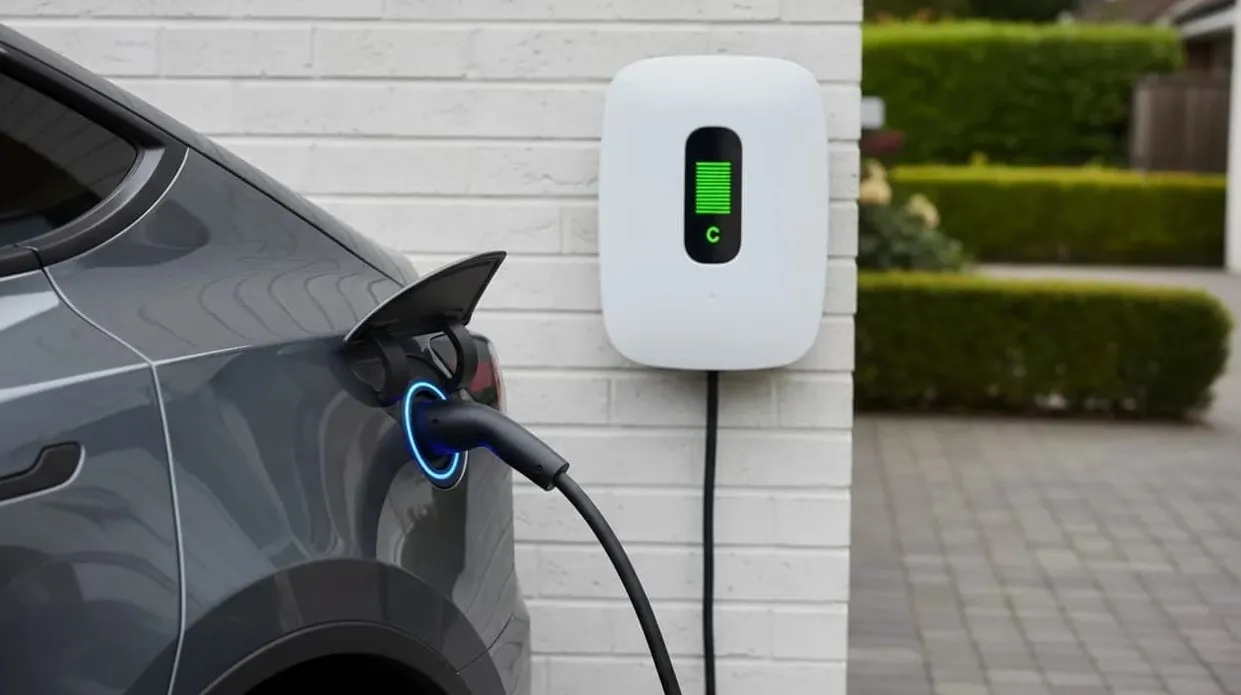
Charging an electric car at home can be very inexpensive if we choose the right rate and time. The free market allows for fixed prices, while the regulated market offers opportunities for those who can adjust their charging times. There may even be hours with negative prices, though taking advantage of them does not guarantee a lower bill on its own.
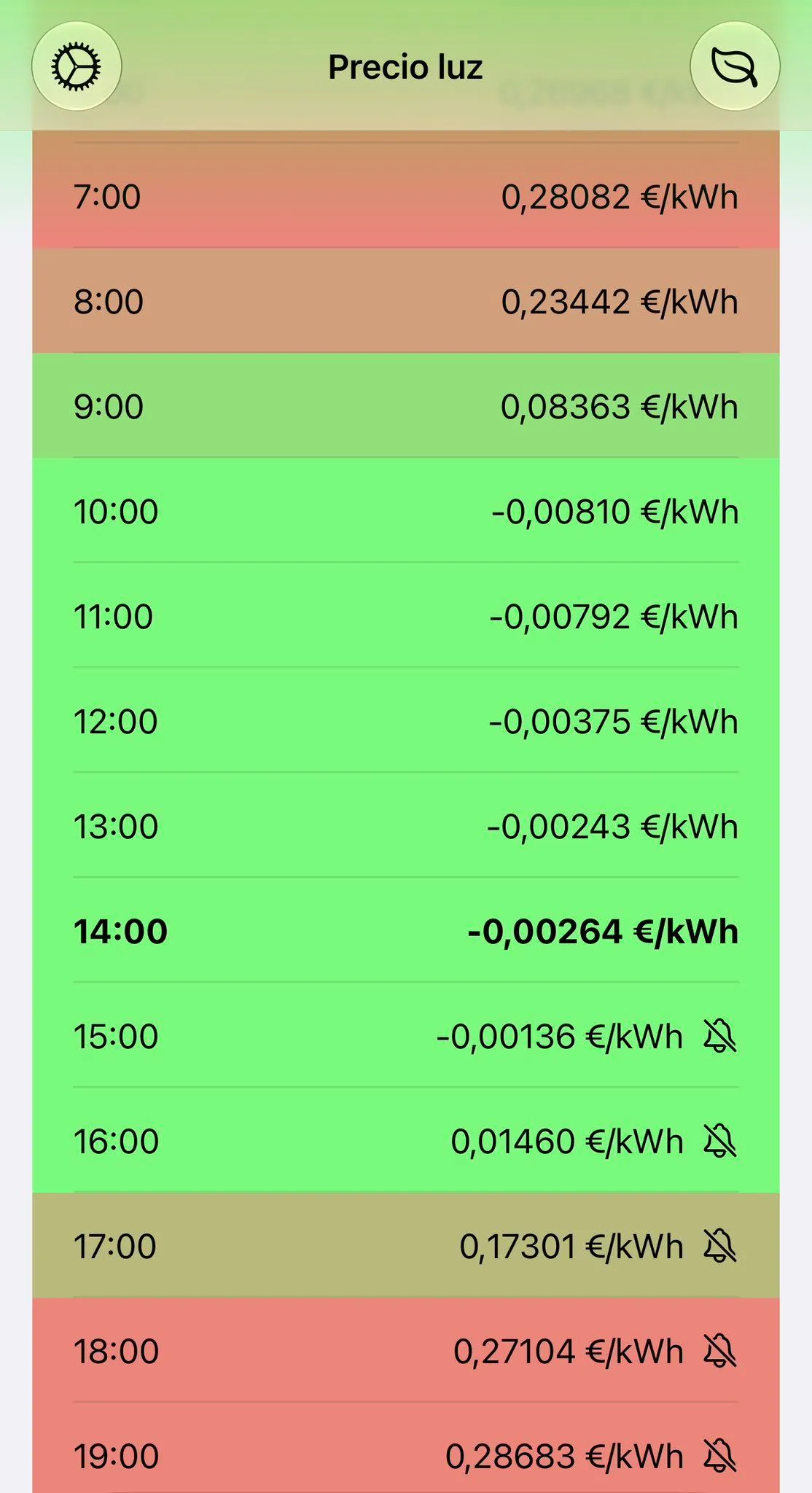
On November 1st, the energy price on PVPC showed negative values between 10:00 and 16:00. At 10:00 it was −0.00810 euros/kWh; at 11:00, it was −0.00792 euros/kWh; and at 12:00, it was −0.00375 euros/kWh. This was a particularly interesting period for those who kept their car connected during the midday hours, allowing them to charge almost for free.
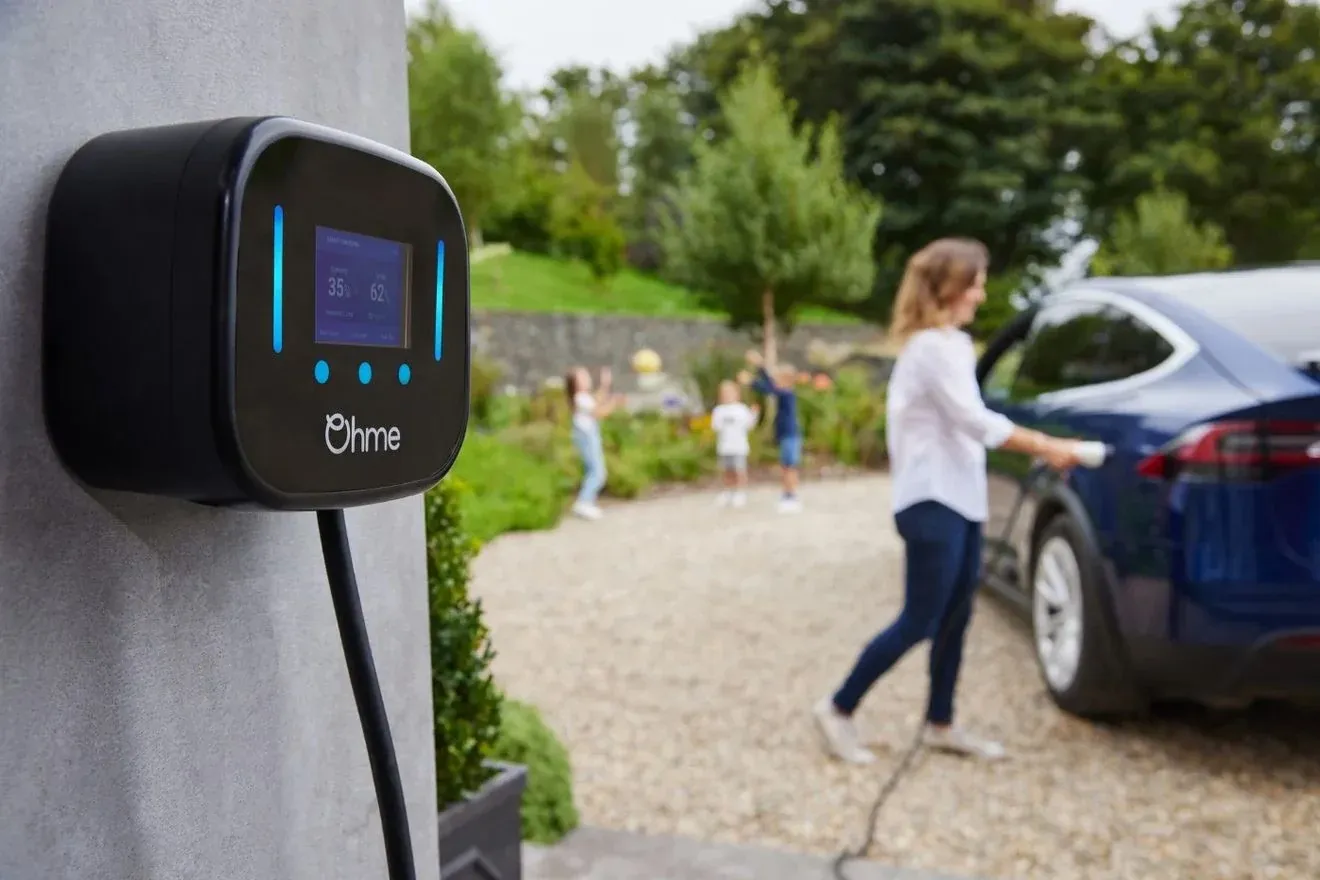
For example, consuming 20 kWh at a constant price of −0.00810 euros/kWh would result in a contribution of −0.162 euros to the energy cost. This amount would reduce the variable part of the bill, but other charges such as the contracted power, meter rental, and applicable taxes would still apply, which we typically pay even without an electric car at home.
It is also important to distinguish between the wholesale market and PVPC. The fact that electricity trades at a negative price in the wholesale market does not necessarily mean that consumers will face a negative price, as the regulated tariff includes other components. To decide when to charge, one must check the hourly price of PVPC corresponding to the supply.
Furthermore, a high monthly average does not necessarily indicate that PVPC is expensive for all drivers: those who charge during the cheapest hours may achieve very different results compared to those who plug in their car as soon as they get home from work without checking the time.
The most favorable rates for charging a car at home
The main advantage of the free market is predictability. We can choose a rate with low rates during certain hours or a plan that allows the supplier to manage recharging in exchange for a bonus. However, the price listed for the car must be analyzed alongside household electricity consumption, power output, and additional services.
The following selection shows the terms checked on November 2, 2026. Prices are listed without taxes.
Rate
Energy price for charging
Price for other electricity usage
Key conditions
PVPC
Hourly variable; can be negative
Hourly variable
The result depends on the actual time of consumption and the hour.
Iberdrola Plan Recarga Inteligente
0.050 euros/kWh with a bonus
0.194999 euros/kWh for the requested residential plan
Managed charging, compatibility, and additional services
Intelligent Octopus Go
Reference rate of 0.068 euros/kWh; taxes to be confirmed
Depends on the associated residential tariff
Credit for managed charges; confirm current offer
Octopus Go
0.105 euros/kWh in the valley, according to OCU
0.289 euros/kWh outside the valley
Confirm current prices with the company
Naturgy Tarifa Noche
0.110 euros/kWh in the valley
Flat areas: 0.145 euros/kWh; mountainous areas: 0.218 euros/kWh
Programmed charging during valley hours
Endesa Conecta 3 Periodos
0.110610 euros/kWh in the valley
Flat areas: 0.134010 euros/kWh; mountainous areas: 0.202410 euros/kWh
Includes a 10% discount during the first year
Iberdrola offers the lowest discounted price in this selection, but it requires subscribing to the Advanced Smart Assistant. Its cost is 3.45 euros per month before taxes, with the first three months free according to the terms checked. The difference is refunded via a Mi Iberdrola balance, and the discounted energy has a limit of 60% of the total consumption. Any excess is charged at the standard price.
Intelligent Octopus Go allows the company to manage the charges and apply a credit for the corresponding savings. It can be interesting if the car or charger is compatible.
The conventional Octopus Go works on time-based pricing and deserves to be considered separately. Its off-peak price might seem attractive, but usage outside that period is much more expensive. Therefore, a home that uses a lot of electricity during the day could lose some of the savings achieved through overnight charging.
Naturgy and Endesa offer a simpler setup: three pricing tiers with the freedom to schedule charging. For both, the off-peak period runs from 00:00 to 08:00 on weekdays, and 24 hours on weekends and public holidays. Since their off-peak prices are practically identical, the power capacity and household usage levels can determine which option is more suitable.
What is cheaper when considering both the car and the home
To provide a concrete example, consider a driver who travels 15,000 km per year and needs 18 kWh every 100 km, including charging losses. The car would consume 2,700 kWh annually. We add a household usage of another 3,000 kWh, distributed as 30% in hilly areas, 30% in flat areas, and 40% in valley areas.
We assume a contracted power of 4.6 kW during both periods, and that all energy for the car is charged in valley areas or qualifies for the corresponding subsidy. The calculation includes energy, power, and Iberdrola’s mandatory service fees. It does not include taxes, meter rental costs, or financing for social subsidies, so it allows comparison of these items but does not represent the final bill.
Offer
Annual energy consumption for the car
Annual cost for home and car
Total annual cost including electricity and service
Iberdrola Smart Charging
135.00 euros
720.00 euros
1,090.21 euros
Naturgy Night Rate
297.00 euros
755.70 euros
1,065.63 euros
Endesa Conecta 3 Periods
298.65 euros
734.16 euros
981.45 euros
Iberdrola includes twelve monthly charges for the service to reflect its recurring cost; the three free months would reduce the first-year cost by 10.35 euros before taxes. Endesa uses a first-year discount, so the comparison would need to be revisited after the promotion ends.
The results show why it’s not advisable to choose based solely on charging price. Iberdrola offers the cheapest electricity for cars, but Endesa has the lowest overall cost among the three for this usage profile. Home consumption and power usage offset the difference. With different kilometers, usage times, or contracted power levels, the results could change.
To include PVPC in this comparison, we need to apply its hourly prices to a specific consumption pattern. Using only the monthly average would disadvantage those who schedule charging, while assuming all electricity is purchased during the cheapest hours would give an unrealistic advantage if the car isn’t available at those times.
Tariff
Charging price
Cost per 100 km
Iberdrola Recarga Inteligente
0.050 euros/kWh
1.14 euros
Intelligent Octopus Go
0.068 euros/kWh, tax status pending confirmation
1.56 euros, if the advertised price does not include taxes
Octopus Go — valley
0.105 euros/kWh
2.40 euros
Naturgy Tarifa Noche — valley
0.110 euros/kWh
2.52 euros
Endesa Conecta 3 Periodos — valley
0.110610 euros/kWh
2.53 euros
Free or negative hours should be considered based on their proportion of total consumption. For example, if half of the energy is purchased at zero cost and the other half at 0.24 euros/kWh, the average price will be 0.12 euros/kWh. In this case, a fixed rate of 0.11 euros/kWh would be more cost-effective for charging, even if it never provided free electricity.
For those who can leave their car connected during the day and spread out charging over different days, PVPC deserves to be among the top options to consider. The flexibility allows taking advantage of the best times to charge, especially if the charger automates the selection of times. However, its advantages need to be evaluated based on overall consumption, not just a single charging session.
For those who need to recharge every night and want to know in advance how much they will pay, a pay-as-you-go plan may be more suitable. Managed recharge options are also viable if the equipment is compatible and its benefits offset the fees and costs associated with the rest of the electricity usage.
The final decision will depend on each customer’s habits and needs. The CNMC’s comparison tool allows users to review offers, and its PVPC simulation tool accepts consumption data.
If you are someone who doesn’t drive many kilometers and can charge during the cheapest hours on the regulated market, you can likely achieve significant savings, as the cost of a car that consumes 18 kWh per 100 km can drop to just 55 cents per 100 km in the best case. But if not, or if you simply don’t want to worry about timing to charge your car, the free market will be your choice.