
Can SEAT become a Chinese brand? Unions are in favor if it helps save the company.
15/09/2026 12:30
Updated to
15/09/2026 15:37
The future of SEAT beyond 2030 continues to spark much debate. While some consider the iconic Spanish brand doomed, others advocate for strategies to keep it alive. Given the uncertainty surrounding Volkswagen Group’s overall strategy, union representatives have begun exploring strategic alternatives that were unthinkable just a few years ago, including integration or partnerships with capital and technology from China.
The possibility of a European brand establishing ownership ties or deep collaboration with Asian manufacturers is no longer an isolated phenomenon. The entry of large Chinese groups into the European market has accelerated due to their leadership in battery supply chains, voltage architecture, and energy management software. For the Martorell plant and its surrounding industrial ecosystem, the priority is to maintain production volumes and secure jobs in the long term, regardless of the origin of the partner developing future models.
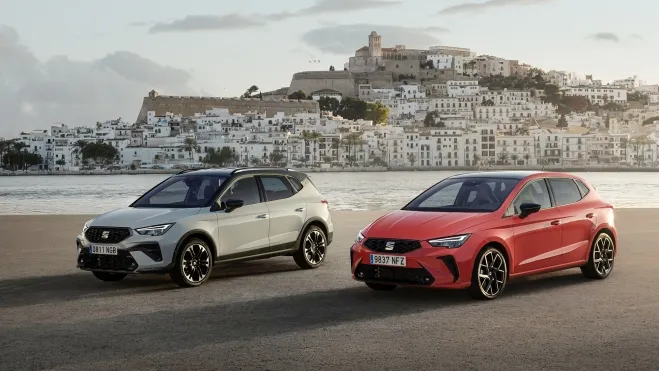
The industrial context and the unions' position
The trade unions representing the company’s workforce have adopted a pragmatic stance regarding the continuation of operations. Rather than shutting out foreign investment, they recognize that the industry is going through a period in which scale and access to competitive power grids determine the survival of manufacturing sites. If Volkswagen Group decides to redefine SEAT’s commercial strategy to prioritize other brands within its ecosystem, seeking a technological partner or opening up to Chinese capital is seen as a viable way to save jobs.
This approach addresses the need to ensure sufficient workload in Catalan assembly lines. The transition to electric vehicles requires substantial investment in plant modifications, battery cells, and new dedicated platforms. In a global context where Chinese brands seek to establish operations in Europe to reduce logistics costs and potential tariff barriers, the infrastructure already in place in Spain represents a highly valuable strategic asset for any industrial group aiming for local production with European quality standards.
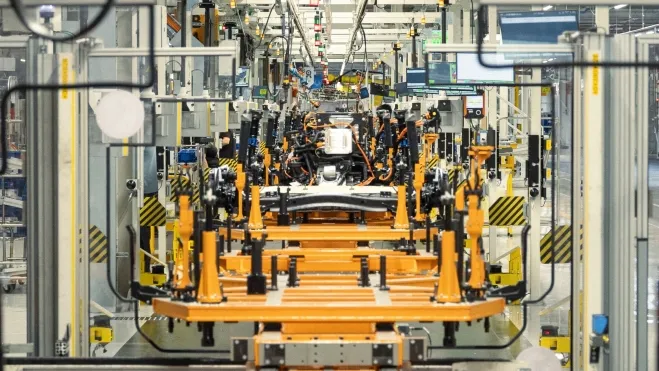
Electrification Technologies and the Role of International Alliances
The potential adoption of Eastern technology into vehicle branding not only would impact corporate management but also the technical architecture of cars. Chinese manufacturers have achieved significant expertise in LFP battery chemistry and the integration of ultra-fast charging systems. Incorporating such platforms could reduce development costs for entry-level models, making zero-emission mobility more accessible without compromising range or charging times.
The Spanish industry, for its part, brings decades of experience in production efficiency, quality control, and a comprehensive logistics network integrated with the rest of the continent. The combination of Asian firms’ expertise and European capabilities has already yielded results in other international consortia. For end-users, such partnerships typically result in more affordable electric vehicles equipped with advanced driving assistants and battery management systems optimized for European market demands.
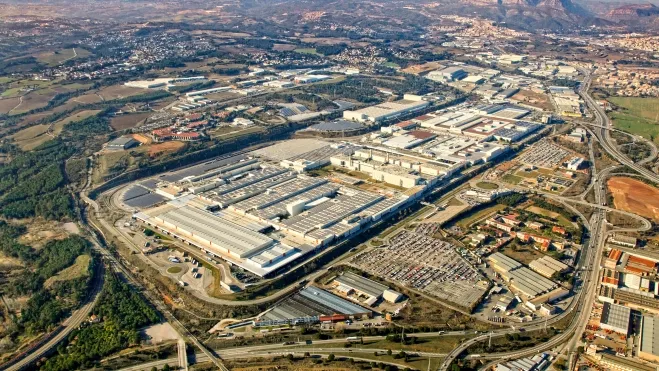
The future of the Martorell plant in global mobility
The Martorell plant has historically been a key driver for the automotive industry in Southern Europe. Maintaining full capacity requires adapting production lines to meet the demands of new energy vehicles, by combining the manufacture of electric urban models with larger platforms. The entry of a strategic partner, either through a joint venture or direct share purchase, would help diversify operational risks during periods of volatile demand.
The debate over the origin of capital is thus pushed to the background amid the urgency of establishing a fair transition for workers. The automotive industry is moving toward a globalized model where technology transfer between the East and West becomes increasingly bidirectional. Unions’ favorable stance toward potential international alliances reflects the reality of an industry where technical innovation and economic viability must go hand in hand to ensure the continuity of major industrial brands.