
Testing the range of the cheapest electric cars until their batteries run out
For years, the rated range has been the most commonly used figure for comparing electric cars. In theory, looking at the WLTP figure is enough to know how far each model should go, though these numbers can vary in real-world conditions.
To see how far some of the smallest and most affordable electric cars on the market can go, the British channel Carwow gathered eight small and inexpensive models and drove them until their batteries were depleted. The experiment was conducted with all cars fully charged, using the air conditioning and driving at allowed speeds, on a day with temperatures around 91 degrees Fahrenheit.
The results bring several surprises, especially since the rated range doesn’t always indicate which car will go the farthest in real situations.
Eight Electric Cars and a Test Until the Battery Runs Out
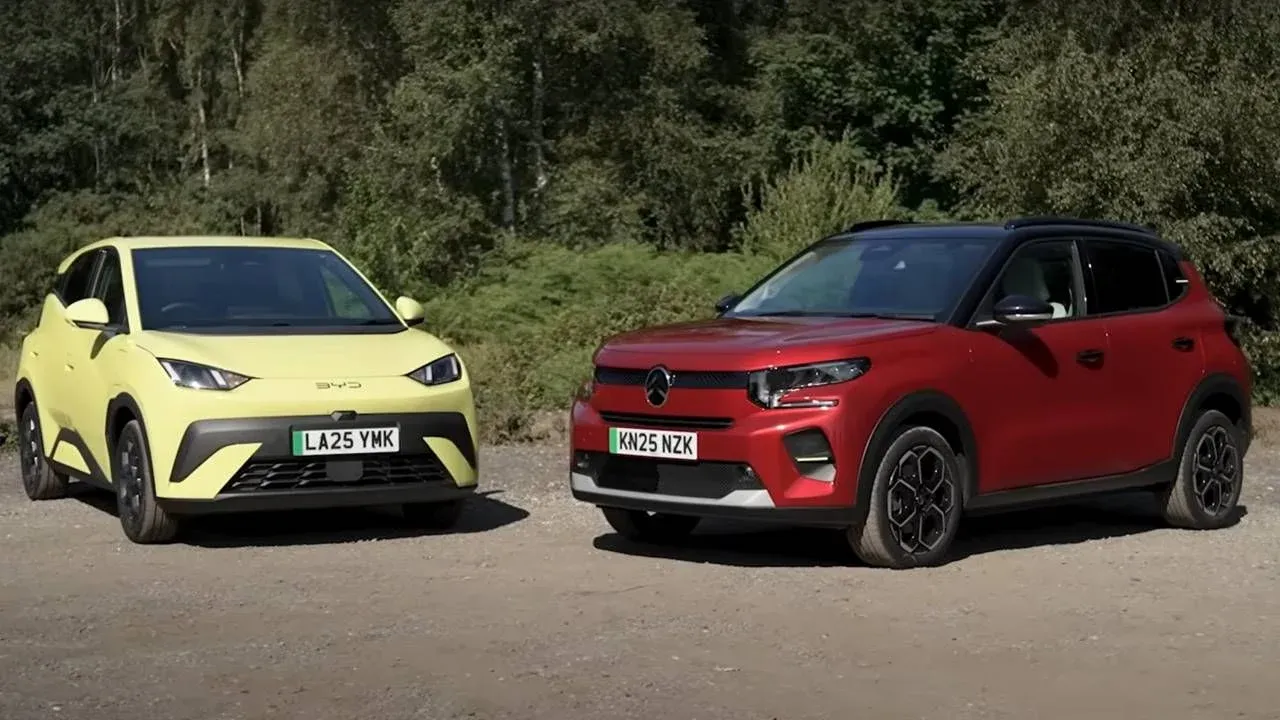
The group consisted of the Microlino, Honda Super-N, Dacia Spring, Leapmotor T03, Citroën ë-C3, Fiat Grande Panda, BYD Dolphin Surf, and Hyundai Ioniq. These are very different cars from one another, though they all share a small size and an approach focused primarily on urban use, with prices that are more or less reasonable.
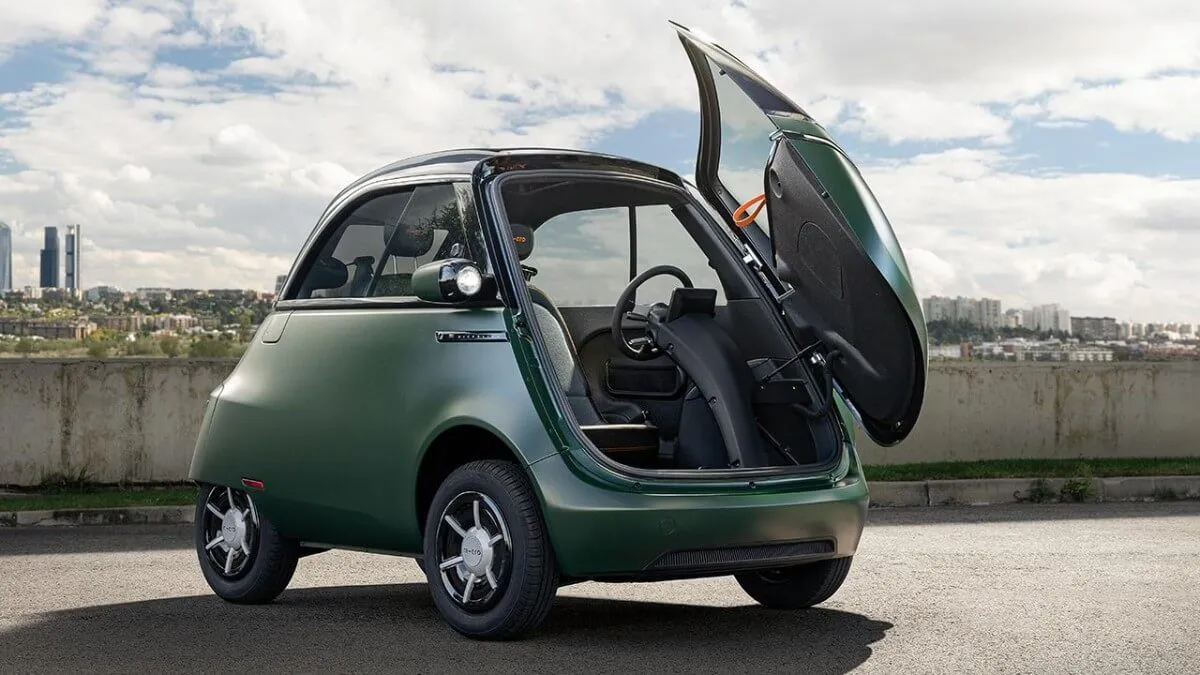
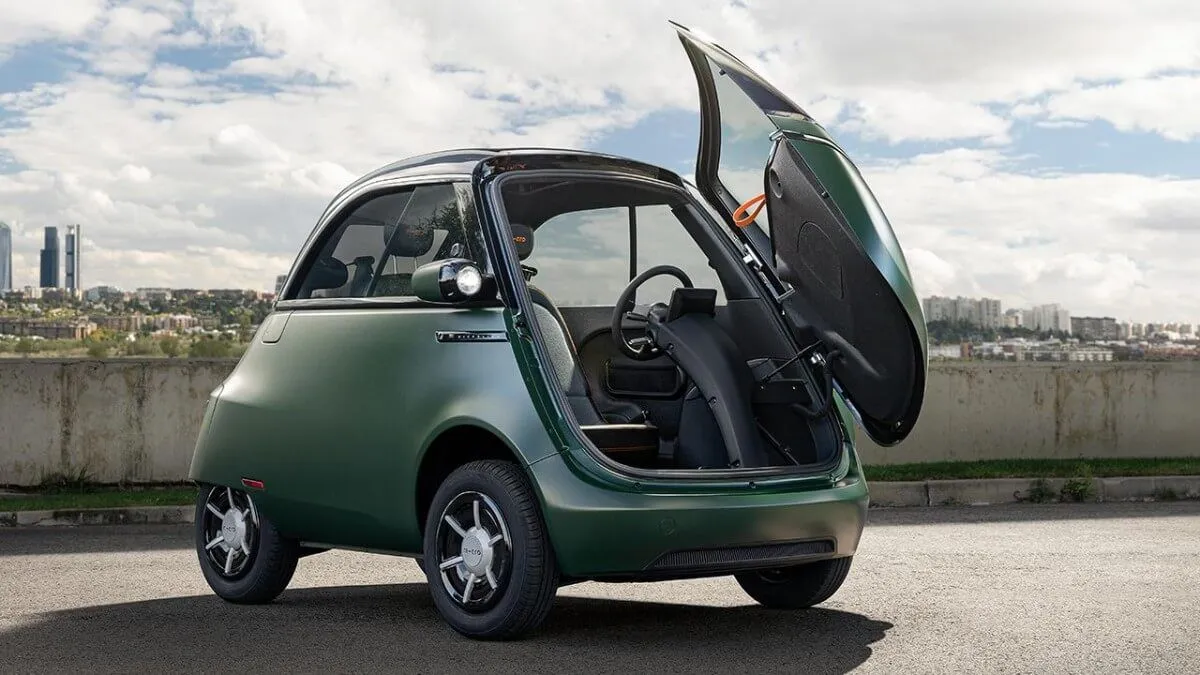
The Microlino was the most unique in the group. This electric quadricycle features a front door, a 17 HP engine, and a battery with a capacity of up to 15 kWh. Its certified range for this configuration is around 183 kilometers. During the test, it managed to travel 185 kilometers, though with one significant drawback: its top speed of 90 km/h is lower than that of the others.
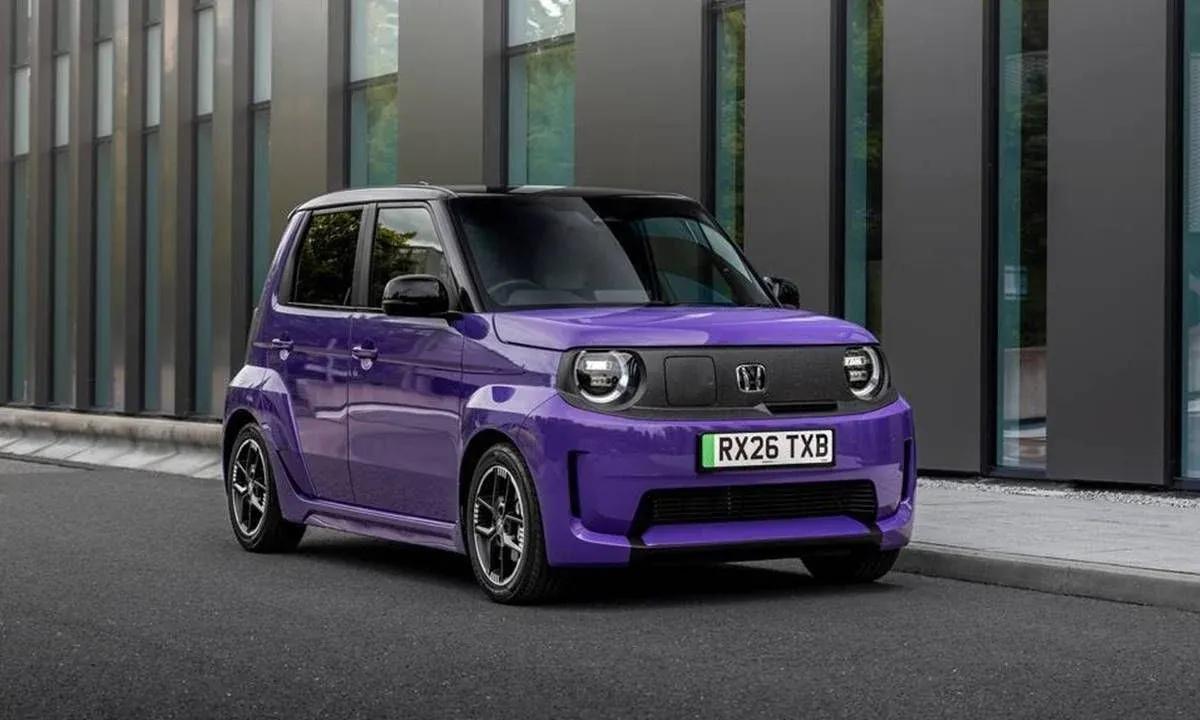
The Honda Super-N features a 29.6 kWh battery and an engine that delivers 64 horsepower, though it can reach 95 horsepower when using the Boost mode. Its WLTP range is 206 kilometers. In the test, it covered 195 kilometers, coming quite close to the official figure.
The Dacia Spring used in the test was an earlier version of the updated model, with 65 horsepower and a certified range of around 225 kilometers. Its final result was 198 kilometers. Interestingly, when the car’s indicated range reached zero, it continued moving for several more kilometers, gradually reducing its power until it stopped completely.
The Leapmotor T03 also faced the same situation. Its 37.3 kWh battery and 95 HP engine allow it to achieve an official range of about 266 kilometers. However, in this test it only managed 225 kilometers, with power gradually declining as the battery ran low. The T03 also stood out for its features and a much more comprehensive interior than one would expect given its size.
In the case of the Citroën ë-C3, the result was 275 kilometers, compared to an official range of around 320 kilometers. The car impressed during the test with its suspension and provided a sensation of being a larger vehicle, though it was also one of those that recorded the highest energy consumption.
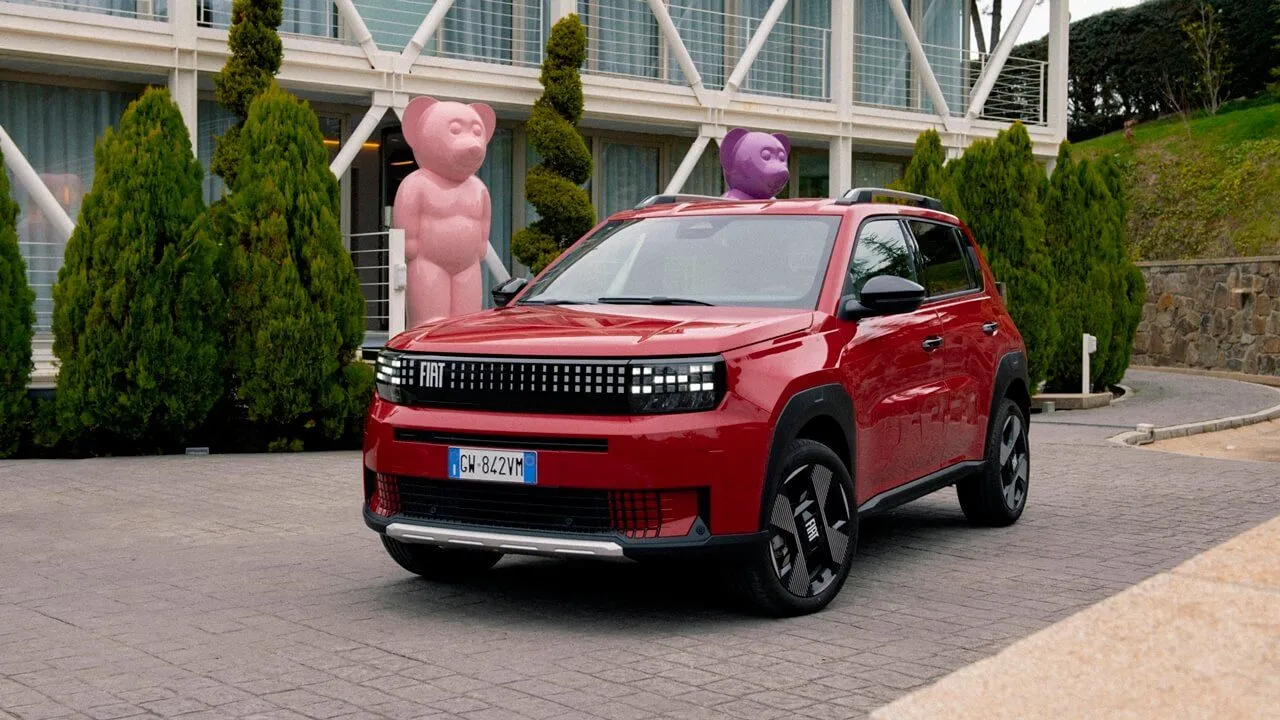
The Fiat Grande Panda shares much of its technology with the Citroën, including a 44 kWh battery and an 83 kW engine, equivalent to 113 horsepower. Fiat claims up to 320 kilometers of WLTP range, and in testing it reached 325 kilometers before stopping. In other words, it slightly exceeded the official figure under these specific conditions.
Another key model was the BYD Dolphin Surf, which in this version comes equipped with a 43.2 kWh battery and 88 horsepower. Its certified range is around 322 kilometers, while testing showed it reached 299 kilometers. Additionally, the car maintained a fairly high energy efficiency throughout the test drive.
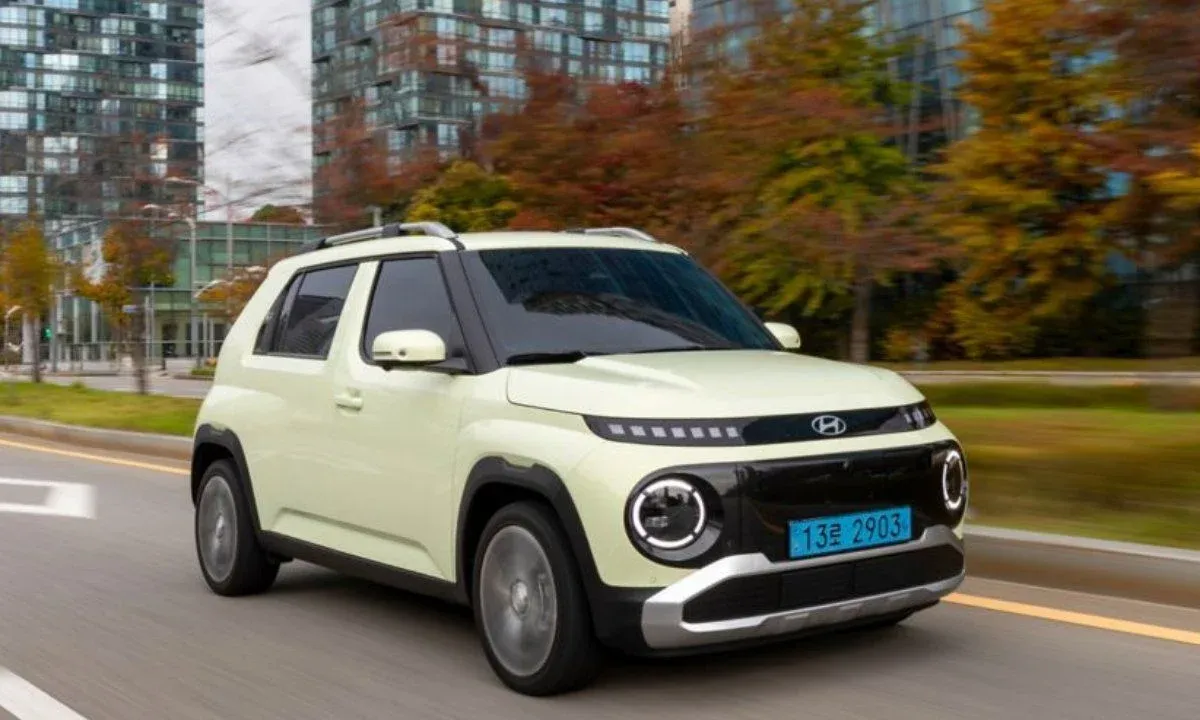
But the model that achieved the highest mileage before running out of power was the Hyundai Ioniq 5. The version with the largest battery can reach a WLTP range of up to 369 kilometers, and in this test it managed approximately 341 kilometers. Even after the range indicator showed zero kilometers, it continued moving for some time before finally losing power and stopping.
The overall results yield a quite interesting picture. The Hyundai Ioniq traveled 341 kilometers, the Fiat Grande Panda 325, the BYD Dolphin Surf 299, the Citroën ë-C3 275, the Leapmotor T03 225, the Dacia Spring 198, the Honda Super-N 195, and the Microlino 185 kilometers.
If each result is compared to its rated range rather than looking at the absolute distance, the situation changes. The Fiat Grande Panda reached 102% of its official figure, while the Microlino achieved 101%. The Hyundai Ioniq and Honda Super-N stayed around 95%, the BYD Dolphin Surf at 93%, the Dacia Spring at 88%, the Citroën ë-C3 at 86%, and the Leapmotor T03 at 85%.
There is another interesting fact: the Microlino achieved the best efficiency in the group, at around 12.4 kilometers per kWh. But caution is needed when comparing it, as this small quadricycle was limited to about 90 km/h, while the others could travel at approximately 113 km/h. At higher speeds, this difference has a huge impact on fuel consumption.
Among conventional cars, the BYD Dolphin Surf and Dacia Spring achieved around 7.7 kilometers per kWh, while the Citroën ë-C3 scored about 5.3 kilometers per kWh.
The test also allowed us to see what happens when the battery truly reaches its limit. Some models gradually reduced power and still managed to travel several kilometers after showing zero range remaining. Others stopped more quickly. For example, the Fiat Grande Panda came to a halt very close to a charging station, while the Citroën ë-C3 required assistance after initially failing to start charging at the station it was taken to.
It should be noted that this is not a laboratory test nor a universal measure of range. It is a specific test under defined conditions, with high temperatures, primarily driving on highways, and eight cars driven until they run out of power. The results can vary depending on temperature, speed, tires, load, or air conditioning use.
Nevertheless, this experiment helps put official figures into perspective. A car with the highest certified range does not necessarily consume less fuel, while one with a lower figure may come closer to that range under certain conditions.
Model
WLTP Range
Test Range
WLTP Difference
Battery
Hyundai Ioniq
369 km
341 km
95%
49 kWh
Fiat Grande Panda
320 km
325 km
102%
44 kWh
BYD Dolphin Surf
322 km
299 km
93%
43.2 kWh
Citroën ë-C3
320 km
275 km
86%
44 kWh
Leapmotor T03
266 km
225 km
85%
37.3 kWh
Dacia Spring
225 km
198 km
88%
26.8 kWh
Honda Super-N
206 km
195 km
95%
29.6 kWh
Microlino
183 km*
185 km
101%
15 kWh