
ProLogium begins series production of next-generation solid-state batteries in Taiwan
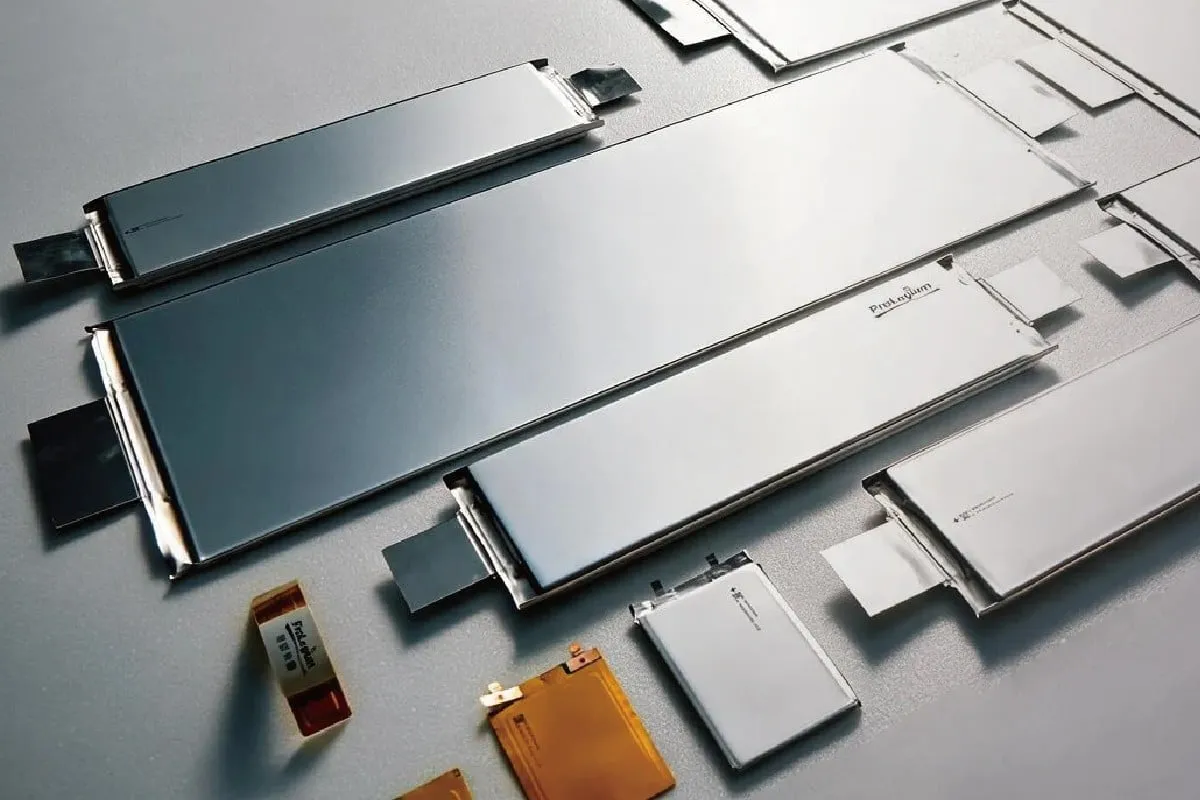
Taiwanese solid-state battery specialist ProLogium is starting series production of its Generation 3.5 lithium-ceramic battery in Taiwan. According to ProLogium, the multinational German organisation for certifying vehicular standards, TÜV Rheinland, has confirmed that the cells used achieve a gravimetric energy density of 381 Wh/kg.
ProLogium, a Taiwan-based specialist in lithium-ceramic batteries (LCB), has announced the start of series production for its ‘Generation 3.5’. This generation is based on all-solid-state battery technology and, according to a report by TÜV Rheinland, achieves a gravimetric energy density of 381 Wh/kg and a volumetric energy density of 903 Wh/L at the cell level. The tests were conducted on a large-format 185.4 Ah cell.
The new solid-state battery also underwent testing at the U.S. testing laboratory UL Solutions, which examined the cell according to the Chinese standard GB/T 43568-2026, as stated by ProLogium in a press release, though no further test details were provided. The company only noted that the cell lost less than 0.05 % of its weight after six hours under vacuum at 120 °C—meaning it can be classified as a solid-state battery in accordance with the standard.
Since its founding in 2006, ProLogium has focused on lithium-ceramic batteries and holds over 1,200 patents worldwide (including granted and pending patents). In 2013, the company commercialised its solid-state battery technology in the smartphone charging accessories market. However, since 2022, the automotive industry has also become a key focus, as ProLogium obtained IATF 16949 certification for its production line in Taiwan that year.
ProLogium has used the underlying battery cell platform (the “Logithium” cell architecture) since 2012. This is because the architecture remains compatible even as electrolyte chemistry and active materials evolve. Now, ProLogium has refined the manufacturing processes and material compositions — not the fundamental design. The architecture consistently combines a ceramic separator with a proprietary edge frame structure, creating an additional separator around the electrodes that helps isolate potential burrs (i.e., defects) while ensuring sealing and insulation.
Since 2012, ProLogium has built on this foundation to develop four generations of batteries and three generations of manufacturing technology. The aforementioned Generation 3.5 has now entered series production. However, the company is already working on commercialising the fourth generation. While automakers are a target group, they are far from the only one.
An explicit goal in the progression of these generations is the gradual reduction of organic electrolyte content. The “Gen 4 LCB” is set to establish a new benchmark by incorporating a “fully inorganic, superfluidised electrolyte system,” as ProLogium states. Currently, the company estimates that only about 10 % of the existing gigascale production line and associated equipment will need to be adjusted to manufacture Gen 4 cells. The fourth generation is expected to improve performance at low temperatures, reduce material and production costs, and introduce a new safety layer with ProLogium’s ASM (“Active Safety Mechanism”).
In North America, single-layer core units of the cell (“inlays”) from France will initially be used in local assembly into pouch cells with local partners through simple direct stacking. ProLogium plans to expand and build production capacity in Taiwan, France, and North America. Module and pack integration will follow.
In France, ProLogium officially began construction of its factory in Dunkerque, northern France, in February 2026, as announced in 2023. The first phase, focused on producing fourth-generation solid-state batteries with an initial annual capacity of 0.8 GWh, is scheduled for completion in 2028. The existing factory in Taoyuan, Taiwan, has a capacity of 3 GWh. From 2029, capacity in Dunkerque will be ramped up so that, by 2030 in Phase 2, the facilities will operate at full utilisation with 4 GWh per year. By 2032, the “Fab 1” plant is expected to reach its full capacity of 12 GWh.