
ProLogium is manufacturing the next generation of solid-state batteries in series in Taiwan
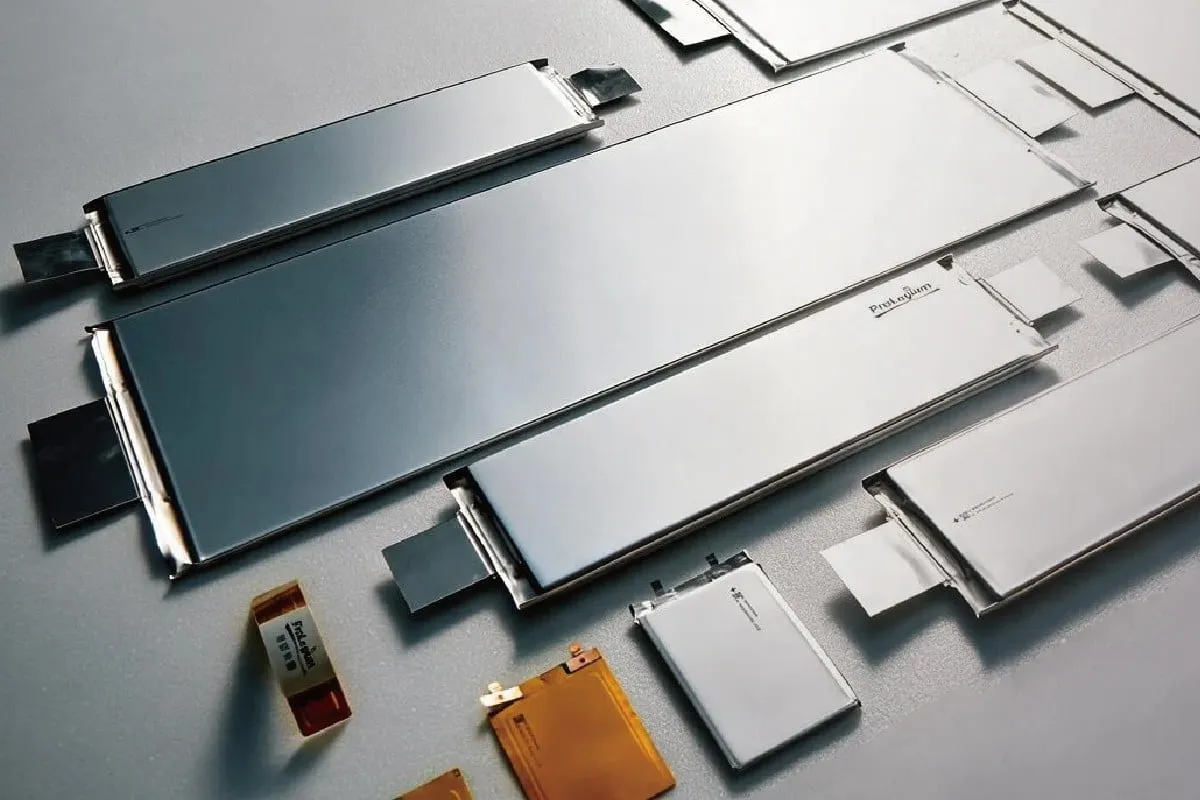
Taiwanese solid-state battery specialist ProLogium has begun mass production of its Generation 3.5 lithium-ceramic batteries in Taiwan. According to ProLogium, TÜV Rheinland has certified that the cells used achieve a gravimetric energy density of 381 Wh/kg.
ProLogium is a specialist in lithium-ceramic batteries (LCB) and announces that it will now begin mass production of the “3.5-generation” version in Taiwan. This new generation is said to be based on all-solid-state battery technology, and according to a report by TÜV Rheinland, it achieves a gravimetric energy density of 381 Wh/kg and a volumetric energy density of 903 Wh/L at the cell level. A large-format 185.4-Ah cell was tested for these metrics. Independently, the U.S.-based testing laboratory UL Solutions evaluated the cell according to the Chinese standard GB/T 43568-2026, per ProLogium’s statement, though it did not provide details about the tests. The Taiwanese company only noted that after six hours under vacuum at 120 °C, the cell experienced a weight loss of less than 0.05%, allowing it to be classified as a solid-state battery per the standard.
Since its founding in 2006, ProLogium has focused on lithium-ceramic batteries and holds over 1,200 patents worldwide (including granted and pending patents). In 2013, ProLogium first commercialized its solid-state battery technology in the smartphone charging accessories market, but since 2022, the automotive industry has also become a key customer target, as the company obtained IATF 16949 certification for its production line in Taiwan that year.
Important: The underlying battery cell platform (“Logithium” cell architecture) has been using ProLogium since 2012. This is because it remains compatible even as electrolyte chemistry and active materials continue to evolve. What ProLogium improves are the manufacturing processes and material compositions, not the basic structure. The architecture always combines a ceramic separator with a proprietary edge frame structure, creating an additional separator around the electrodes that helps isolate potential defects while also providing sealing and insulation.
Since 2012, ProLogium has developed four generations of batteries and three generations of manufacturing technology on this foundation. The mentioned Generation 3.5 has now been introduced to the series. However, the company is already working on commercializing the fourth generation. While automakers are a target market, they are by no means the only ones.
A specific goal for the upcoming generations is to gradually reduce the content of organic electrolytes. “Gen 4 LCB” is intended to set a new standard by featuring a “completely inorganic, superfluidized electrolyte system,” according to ProLogium. Additionally, the company currently assumes that “only about 10% of the existing production lines on a gigascale and related facilities need to be modified to manufacture Gen 4 cells.” Compared to the current version, the fourth generation is expected to improve performance at low temperatures, reduce material and manufacturing costs, and incorporate ProLogium’s ASM (“Active Safety Mechanism”) as an additional safety layer.
Regarding production, ProLogium plans to establish and expand capacity in Taiwan, France, and North America. In the latter region, central single-layer cell units (“inlays”) from France will initially be used and assembled into pouch cells through simple direct stacking by local partners. Subsequently, module and packaging integration is planned.
Speaking of France: ProLogium officially began construction in February 2026 on its factory, announced in 2023, located in Dunkerque in northern France. The first construction phase, aimed at producing fourth-generation solid-state batteries with an initial annual capacity of 0.8 GWh, is scheduled to be completed by 2028 according to current plans. For comparison, the existing factory in Taoyuan, Taiwan, has a capacity of 3 GWh. Starting in 2029, the capacity in Dunkerque is set to be increased so that by 2030, during Phase 2, the facilities can operate at full capacity with 4 GWh per year. The full capacity of the facility, known as “Fab 1,” is planned to reach 12 GWh by 2032.