
First it was Stellantis, and now Volkswagen also uses used parts to make repairs cheaper
21/09/2026 13:30
Updated to
21/09/2026 13:30
The cost of maintaining and repairing vehicles has become one of the biggest concerns for both drivers and manufacturers. To address rising prices for spare parts and pressure on repair shops, the industry is seeking ways to reduce overall costs without compromising safety or performance. Following steps taken by giants like Stellantis, Volkswagen Group is now strengthening its commitment to a circular economy approach to lower the frequency of repairs for its customers.
But this trend is not solely driven by cost-saving measures for consumers. Behind this strategy lies a profound shift in automakers’ business models, fueled by regulations, sustainability demands, and the need to optimize supply chains following the supply crises experienced in recent years.
From Stellantis to the rest of the industry
The idea of using parts from a circular economy is not new, but their official integration into major manufacturers’ networks marks a turning point. Stellantis was one of the pioneers in scaling up this approach through its Sustainera division. Under this brand, the group began offering refurbished, repaired parts from authorized dismantlers, ensuring the same quality standards as 100% new parts.
The market response and adoption by official repair shops proved that this strategy worked. Reducing the total cost of bills allows brands to retain customers within their official networks for longer, especially when vehicles exceed the warranty period and owners start seeking cheaper alternatives at independent shops.
Volkswagen joins the circular economy
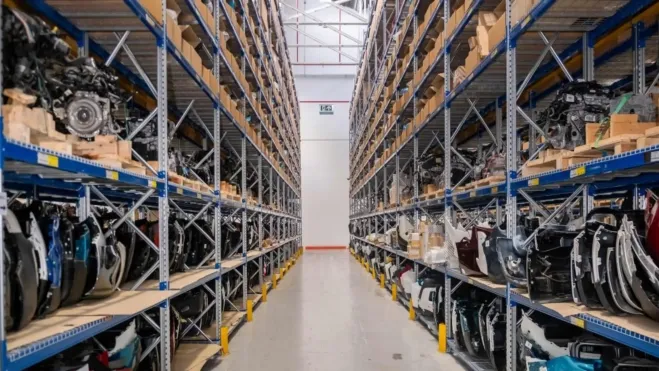
Following in Stellantis’ footsteps, the Volkswagen Group has increased the use of second-life components in its after-sales operations. The German company actively promotes the use of certified used parts, as well as the exchange of refurbished components such as transmissions, engines, turbos, or electronic modules.
This measure allows the German group’s network of workshops to offer a more affordable alternative to original factory parts. Refurbished or recycled parts undergo strict inspection and technical verification before being put back into use, enabling them to come with a legal warranty identical to that of new components and addressing users’ concerns about the reliability of such spare parts.
Technical and economic advantages of repairing with used parts
The main advantage for the user is reflected directly in their wallet. The price difference between a new part and one from a circular economy can range from 30% to 70%, depending on the technical complexity of the component and its availability in the market. In cases of major damage, this variation determines whether it is worth keeping an old vehicle or if it should be scrapped.
From a technical and environmental perspective, the benefits are equally significant. Manufacturing a component from scratch involves high consumption of raw materials and energy. Refurbishing or directly reusing parts drastically reduces the carbon footprint associated with maintaining the vehicle fleet. In the case of electric vehicles, this principle becomes even more important, as recycling batteries, electric motors, and control units is essential to ensure sustainable mobility throughout the vehicle’s lifetime.