
Precautionary restrictions for photovoltaics and batteries? Part 1
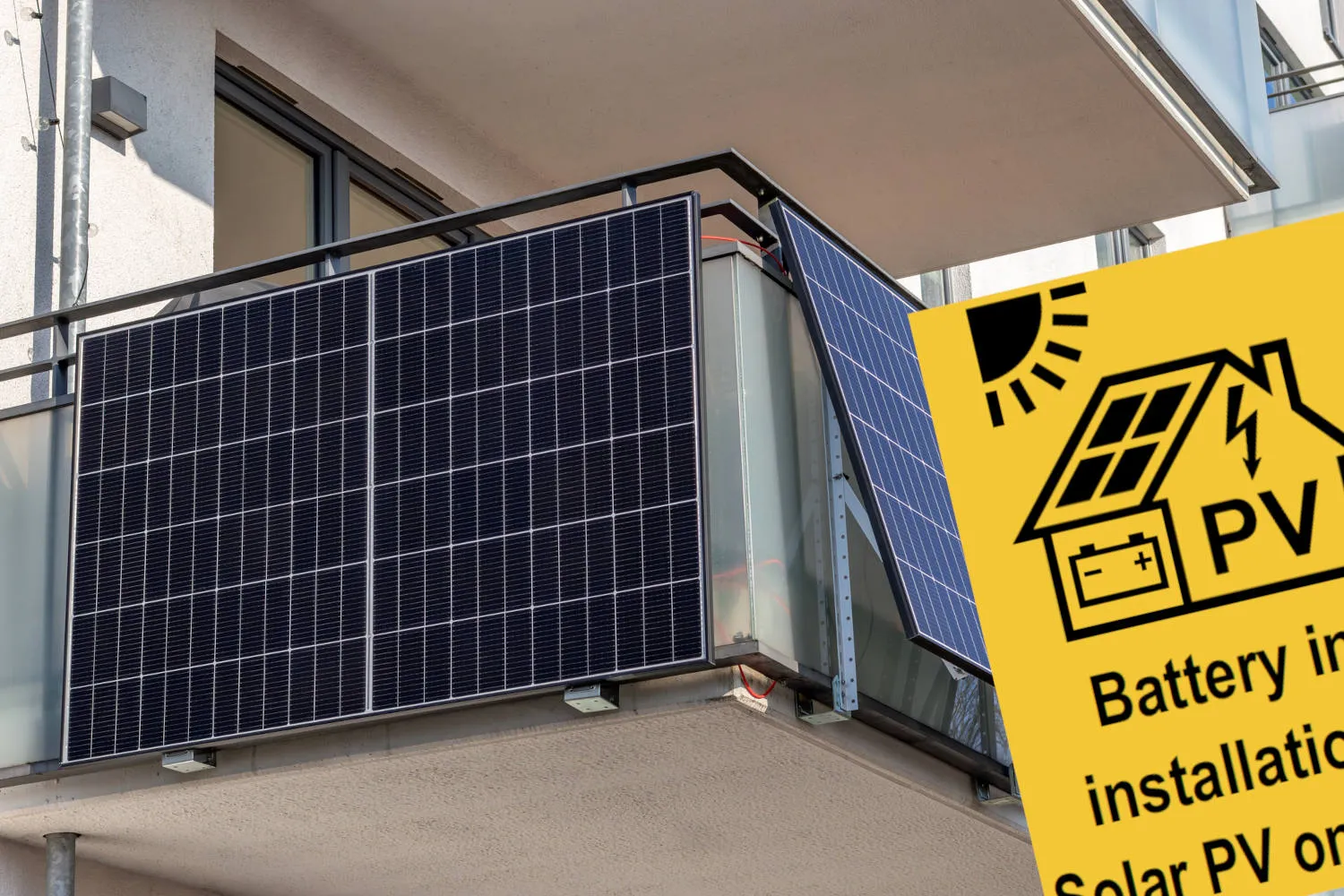
MRiT is finalizing regulations that consider a “preventive” ban on installing batteries in apartments and restrictions on batteries in homes. The fate of balcony photovoltaics is also under consideration. What do firefighters and fire safety experts say? How do other European countries handle this? Part 1.
Table of Contents
See also the second part of this analysis: Preventive restrictions on photovoltaics and batteries? Part 2
"Development always involves some risk, but it’s also a great necessity. Everything needs to be weighed carefully," I heard recently from a high-ranking officer at the National Fire Protection Command. Similar statements are regularly made at international conferences on "Safety of New Technologies" organized by CNBOP (the national fire protection institute), which I have attended for years.
The question is whether, in working on the revision of the regulations on building technical conditions (WT), it was possible to strike a balance in the rules so that they do not hinder the development of new technologies while still ensuring their safe use?
Opinions are divided even among firefighters themselves. Some advocate for preemptive implementation of partial bans and stricter restrictions—even for a few years—while others support establishing basic requirements (sensors, distance limits) and focusing on certifying the storage units themselves.
Fire and electrical installation experts add requirements for installation by a licensed electrician and regular inspections, as statistics worldwide show that the risk of fire starting from electrical installations is much higher than from the solar cells or panels themselves.
Currently, electrical installations and devices cause 8% of residential building fires in Poland. However, for comparison, 48% of these fires occur due to heating with solid fuels, mainly coal.
Battery certification would alleviate many firefighters' concerns
And it is this risk that seems to be the main focus of all our interlocutors – from the KG PSP, through CNBOP, AP, SITP, experts, industry organizations, to manufacturers. Firefighters say that if we certified home batteries in Poland, instead of relying on the declarations of importers of the cheapest batteries from China, their approach to required safety measures in households would be different. So why do we opt for Kowalski’s preventive ban on installation rather than mandatory certification for battery manufacturers?
"We have long been advocating for such certification requirements without success," says a representative of one of the Western manufacturers of inverters and energy storage systems. "Meanwhile, the current proposed WT regulations, instead of forcing manufacturers to obtain certification, aim to shift the costs of risk mitigation onto citizens, which will be much more expensive for Polish families and hinder energy transition," he adds.
It’s as if, instead of mandatory vehicle homologation and regular inspections, we wanted to improve the safety of parking cars in residential buildings by requiring parking spaces to be equipped with absorbent mats that capture oil and fuel leaks, as well as sensors for LZO and LPG to detect leaks in fuel systems, along with mandatory fire blankets and extinguishers to limit the scale of fires.
According to CNBOP, the state agency responsible for such certification, no storage tank manufacturer has yet purchased this certification. Typically, manufacturers obtain it in Germany, the USA, or China. Therefore, CNBOP burns the storage tanks it has purchased itself to assess not so much the fire risk (since prolonged heating by a burner will eventually ignite any storage tank), but rather the development and consequences of such fires.
The initial information we received from these tests was quite optimistic – ignition was difficult, and there was no spread between battery modules. The gas composition wasn’t as dangerous as suggested by existing literature either. However, in the coming weeks CNBOP will publish the first article with detailed results, revealing more about the effects of these fires.
What kind of risk are we talking about? Gas, vehicle, chimney
It’s not without reason that the scenario and consequences of fires are at the center of CNBOP’s focus. Along with the likelihood of fire, they together form the risk profile of a given technology.
For example, gas installations in residential buildings can lead to sudden explosions with severe consequences, including the risk of partial or total collapse of the building. However, the likelihood of such an accident occurring is low. In Poland, there are “only” about 20 building disasters caused by natural gas explosions each year, resulting in the death of a few to a dozen people. The basic ways for users to mitigate this risk include mandatory ventilation grills, a limit of up to 2 LPG cylinders at home, each weighing 11 kg, and regulations regarding the connection of stoves to the building’s gas system. These measures are not enough to completely eliminate this risk. We do not go further—such as with reinforced kitchen ceilings and walls, non-flammable kitchen cabinets, or steel doors for the kitchen. The risk and number of casualties remain at an acceptable level.
We have moved forward with standards for gas stove manufacturers. Polish regulations require compliance with such standards, while EU-level regulations mandate that gas stoves be equipped with safety valves to prevent uncontrolled gas leakage (which is why thermocouple-controlled electric valves are widely used today).
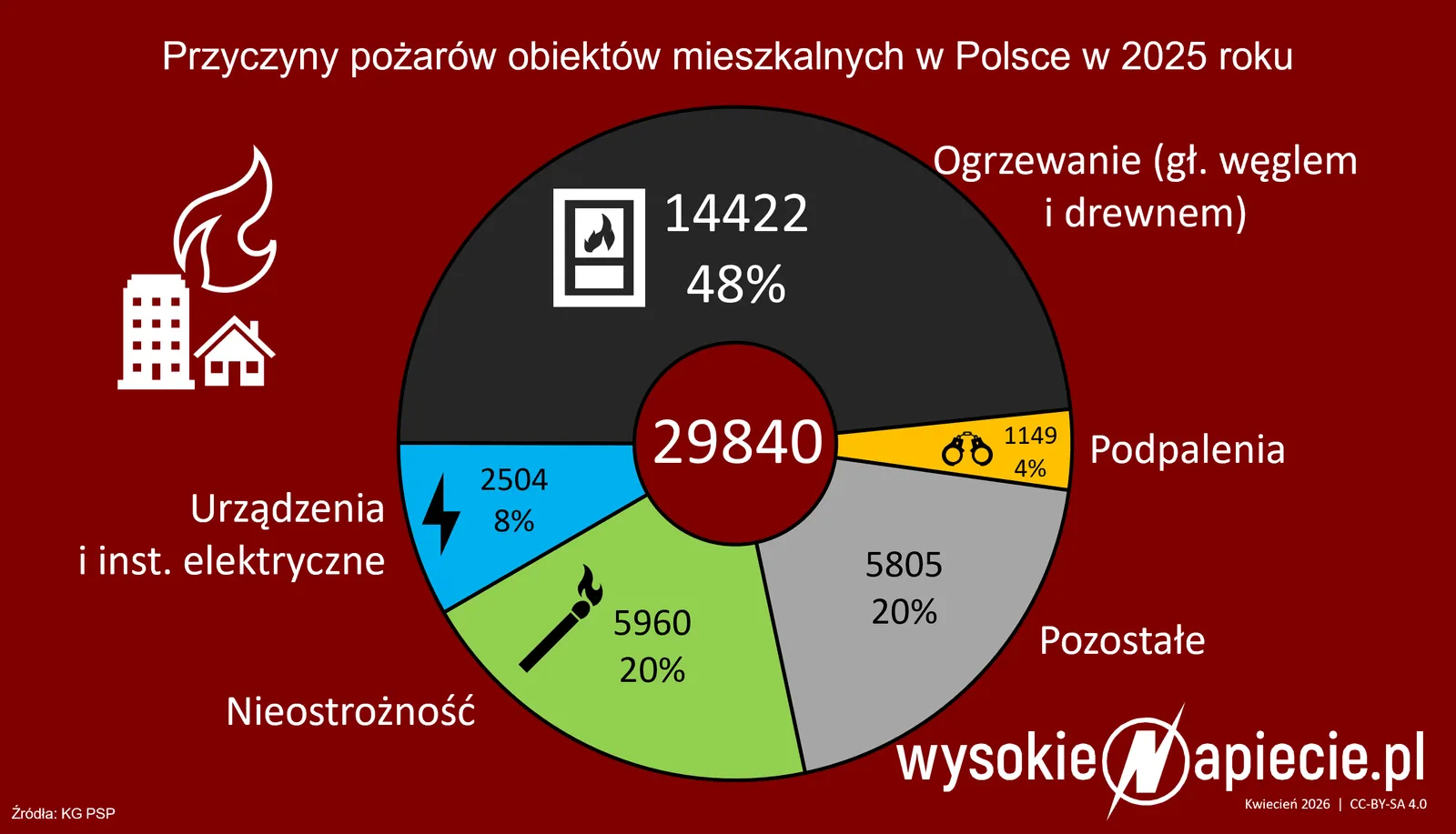
At the other end of the spectrum, we have very frequent fires caused by soot in chimneys. This accounts for about half of all residential building fires in our country (tens of thousands of incidents per year). However, although it spreads rapidly, its consequences are quite limited—the fire rarely reaches the roof. Soot usually does not penetrate through chimney walls. Therefore, this is also a risk at an acceptable level.
There are car fires somewhere in the middle range. The risk is moderate at 0.05% per year (we have 10,000 car fires annually). However, they develop rapidly (3-4 minutes are enough for internal combustion vehicles to become uncontrollable with a regular fire extinguisher) and involve massive heat release along with deadly gases. Simulations of such fires show that they often occur outside buildings and rarely result from explosions caused by gasoline vapor escaping from melted fuel tanks. The overall risk posed by these fires has not yet prompted the government to even require the installation of smoke detectors in garages. The risk is considered acceptable.
Sofas are responsible for 20% of apartment fire deaths
We encounter thousands of such risks around us every day. Many are subtle yet can have potentially tragic consequences. One such risk is a sofa fire. According to statistics from the American NFPA, about 2% of residential fires start with upholstered furniture (mainly sofas). Typically, such fires are caused by cigarette ash and embers, accidental heating from a space heater, sparks from a fireplace, a candle left nearby, or an overheated laptop/phone charger or power strip.
The likelihood of such a fire is low, but its progression and effects are often tragic. As reported by NFPA, nearly 20% of victims in home/apartment fires die in incidents that start with a sofa catching fire. This is due to the rapid spread of such fires, caused by polyurethane foam and upholstery — synthetic materials (usually made from crude oil).
The sofa catches fire quickly and rapidly ignites other items in the apartment (it has a large burning surface). Additionally, it releases enormous amounts of black, suffocating smoke that hinders evacuation, as well as large quantities of deadly gases in a short time—CO (carbon monoxide) and HCN (hydrogen cyanide). The latter can easily penetrate clothing (even firefighters’ protective gear) and kill within just 2-3 minutes. This makes the fire risk profile of sofas our focus in a moment.
The situation is even worse in the United Kingdom — fire statistics for England show a clear disparity between the frequency of fires and their consequences. Fitted furniture (beds, mattresses, sofas) accounts for the first ignition source in about 12% of home fires, but it is responsible for 29% of fatalities. Moreover, as the main material driving fire spread, it appears in 16% of incidents but is linked to as many as 43% of deaths, indicating that although it initiates fires less frequently, it significantly increases their lethality.
How often do photovoltaic systems and batteries catch fire?
How do these new risks — batteries (stationary and in vehicles) or photovoltaic systems — compare to the risks we are already familiar with? For reference, the annual fire risk in residential buildings in Poland due to any cause is 0.4% (0.3% in Germany).
The risk of a fire in a gasoline vehicle is ten times lower, at 0.04% (and in Poland this figure is already significantly higher than in Germany or Norway, due to factors such as the import of old electric cars from the West and repairs done by inexperienced workshops).
For comparison, according to statistics from the KG PSP, the risk of a fire in the battery of an electric passenger car in Poland is even lower by an order of magnitude, at 0.006% (only one in seven electric vehicle fires involve the battery).
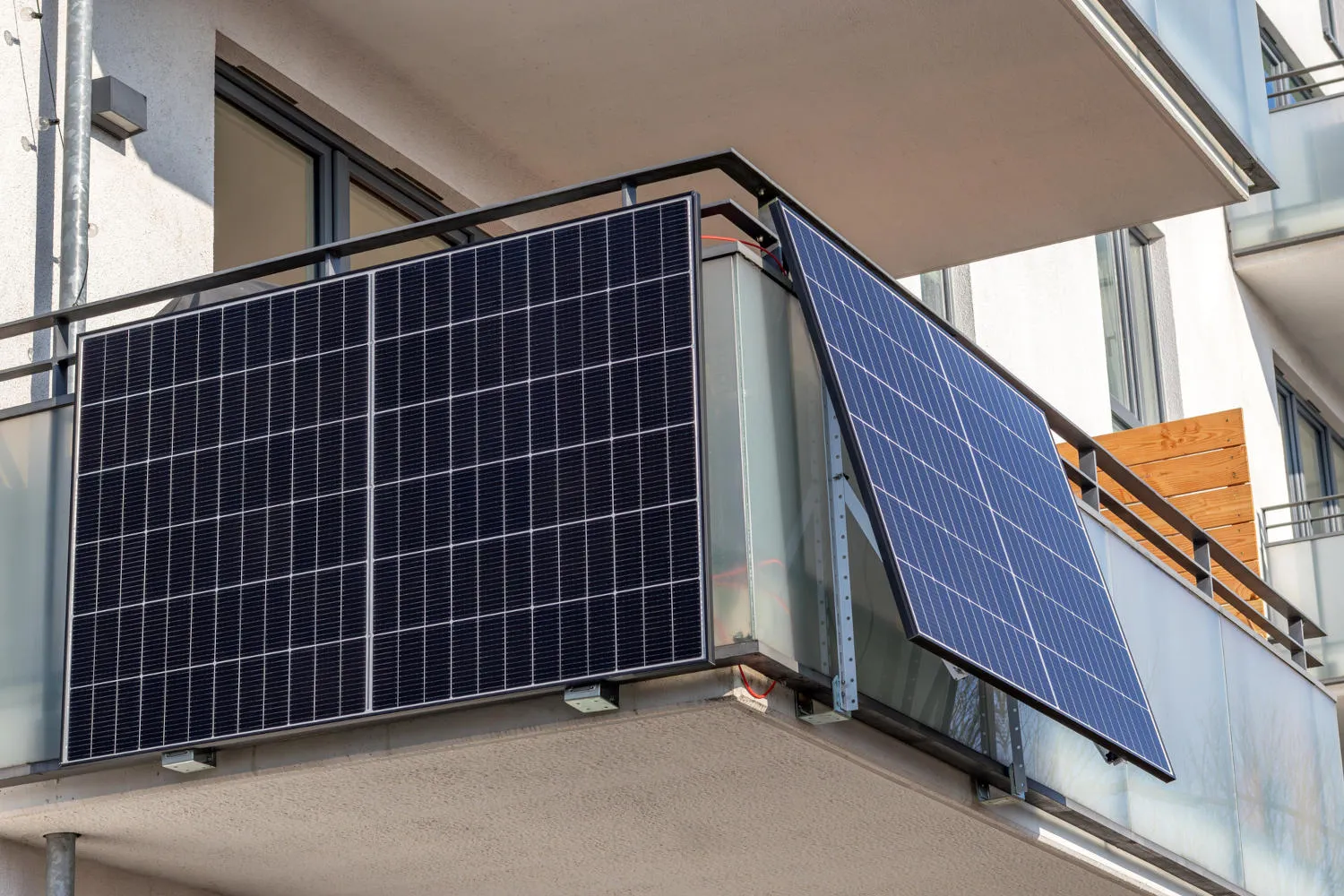
Home LFP batteries carry even lower risks of catching fire. Researchers from Aachen University have examined this risk. Their study is significant because while Poland currently has only about 130,000 home lithium-ion batteries, Germany already has around 3 million such batteries in homes and apartments (including several hundred thousand plug-in batteries, mostly installed in apartment buildings). The current fire risk from home batteries is 0.005%.
For comparison, photovoltaic installations have an even lower likelihood of causing fires (0.001% in Germany and 0.004% in Poland, according to analyses by WysokieNapiecie.pl based on data from the KG PSP and surveys of firefighters).
Fridges and freezers, according to scientists from Aachen, have a comparable fire risk: 0.001% per year.
Let’s return to the risk of a house fire starting from a sofa. Based on data from KG PSP and the American NFPA, it is 0.007%.
A house fire once every 250 years, a battery fire once every… 5000 years
How should we interpret these percentages? If the probability of a house/apartment fire in Poland is 0.4%, it means that on average, a house in Poland will suffer a fire once every 250 years.
How often does a battery catch fire in an apartment? A probability of 0.005% means that statistically, such a fire will occur in an apartment with a battery once every… 20000 years (literally: once every twenty thousand years). What if the Germans are wrong? Photovoltaic fires (installed by the same installers who install batteries) occur 4 times more frequently in Poland. This would mean that a battery on average catches fire in its owner’s home once every 5000 years.
In other words, according to the worst-case scenario based on available data from Germany, extrapolated to Polish standards of construction and equipment (4 times worse), if there are 1 million batteries in homes and apartments in Poland, they will cause 200 fires per year. For context, the total number of house fires in Poland is around 30,000, while there are nearly 10,000 fires involving gasoline-powered vehicles.
To be direct, the probability of a battery causing a fire is extremely low today. Collecting data on their occurrence frequency by the KG PSP should serve as a starting point for discussions regarding general bans on installing them or other restrictions.
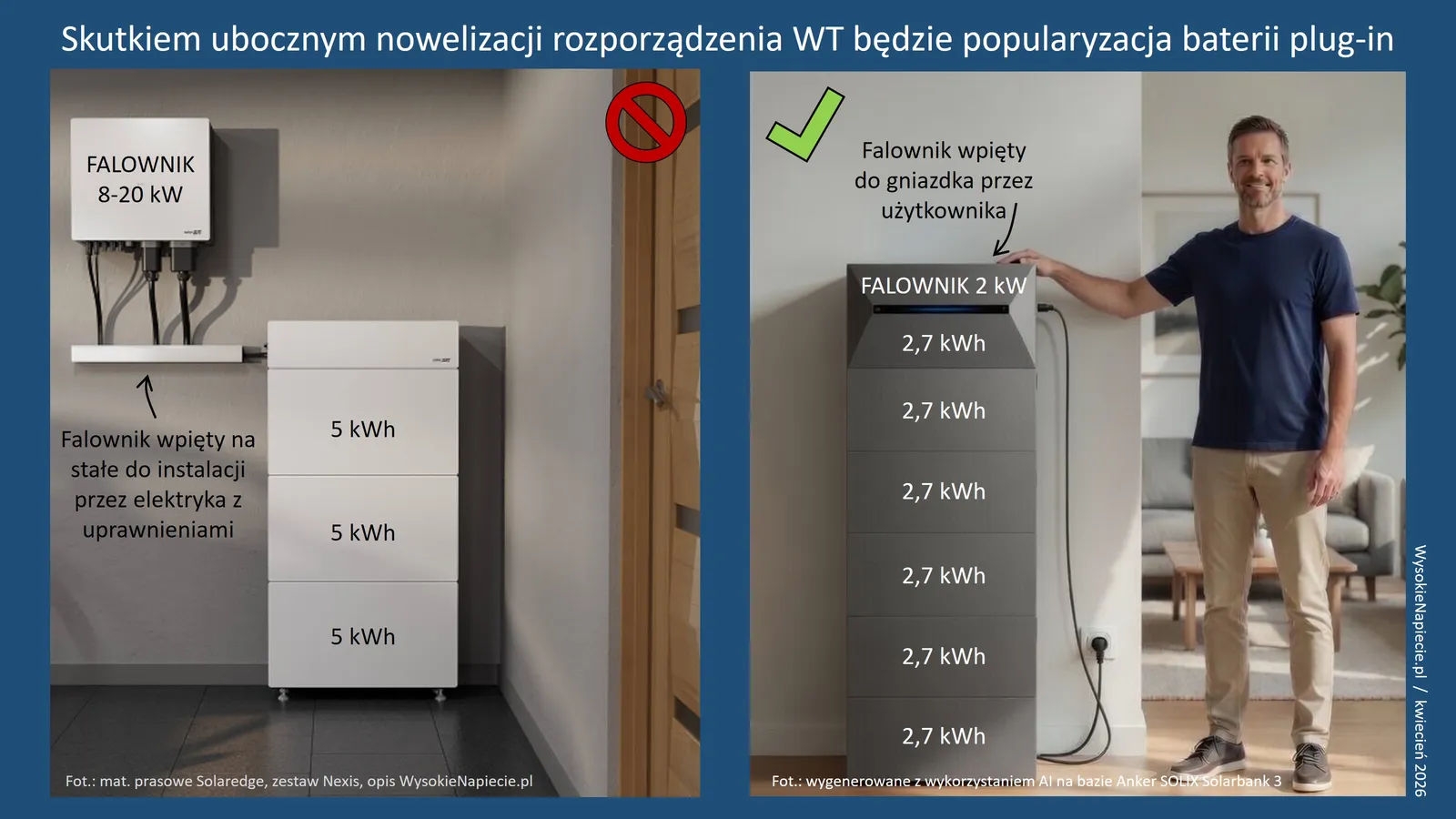
Let’s move on to the next two components of the risk profile: the scenarios for how such a fire might develop and its impacts on residents, rescuers, and property.
How to assess risk?
To understand whether we should adopt a more or less liberal approach to installing photovoltaic systems and batteries in homes or apartments, we need to analyze the risks they entail, compare them with other risks associated with designing our homes (such as furniture fires, electrical installations, or a gasoline-powered car in the garage), and answer whether we are actually dealing with a different set and level of risks compared to those we already face with gas stoves, LPG cylinders, dozens of rectifiers, wood and paper, several small lithium-ion batteries, and hundreds of kilograms of equipment made from petroleum-based materials, ranging from furniture to home appliances, plus dozens of liters of flammable and explosive fuel in the garage surrounded by hundreds of kilograms of toxic plastics.
Let’s now discuss how these fires develop and what consequences they bring. We should consider the rate and total heat emission in a fire, the emission and toxicity of gases released from the device, smoke levels regarding people’s evacuation capabilities, the device’s ability to control or spread the fire, and risks to firefighters (such as the toxicity level or flammability of the atmosphere, risk of electric shock, etc.).
Heat emission in a fire: battery vs cabinet
One of the most significant threats during a fire is the amount and rate of heat emission from the burning material. This determines how quickly the fire will spread and the extent of damage it will cause to the building’s structure.
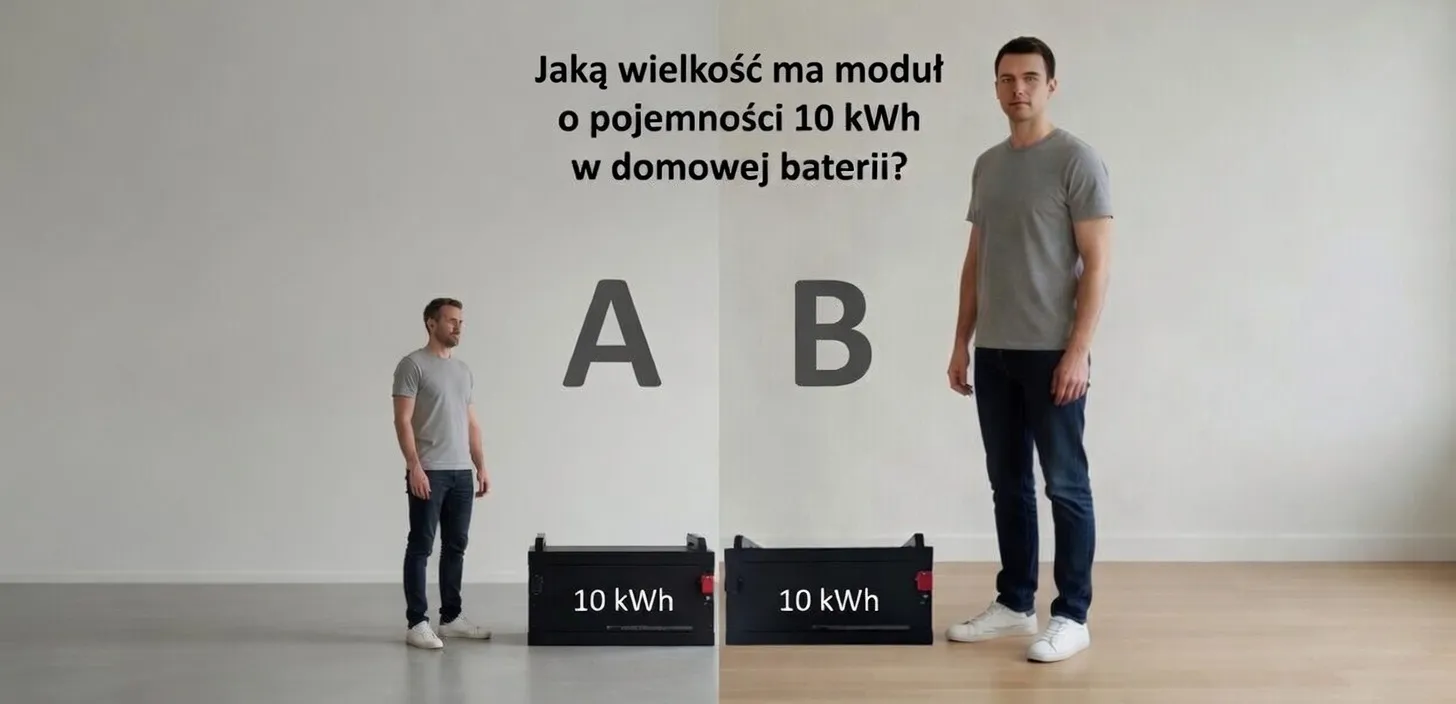
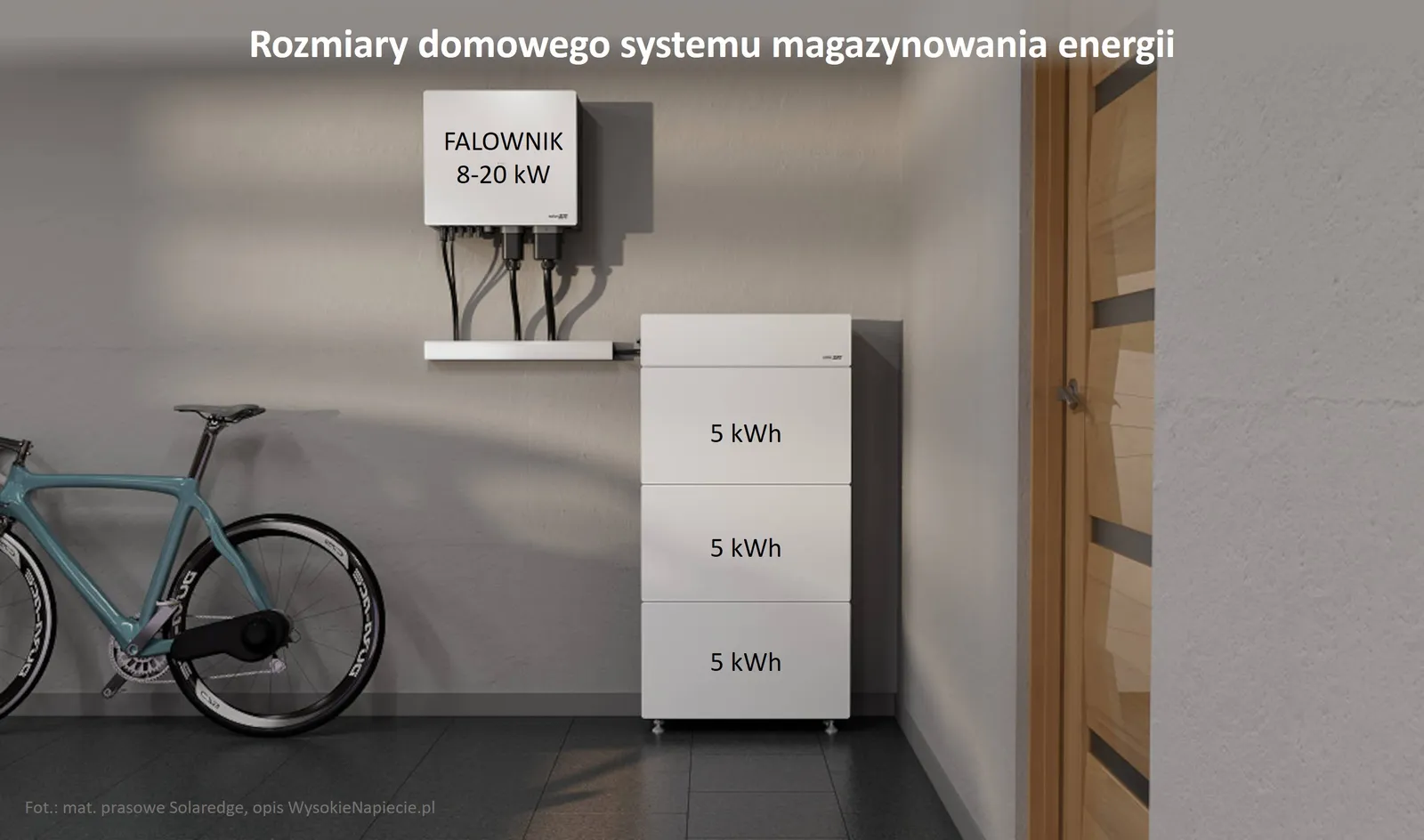
The 10 kWh LFP battery (standard for apartments) contains 150 kWh of chemical energy (fuel). That’s the amount of heat the battery will emit when it’s completely depleted. Is that much? A sofa with the same weight (90 kg) contains twice as much fuel (300 kWh). A bookshelf or wardrobe has even more fuel (1000 kWh). Thus, the amount of energy released from such a storage device is significantly less than that from any larger furniture item in our apartment.
So—as we’ve already shown—the risk of a home battery catching fire in the “Polish” scenario (4 times worse than the German scenario) is not only lower than that of a sofa catching fire, but it will also usually involve a considerably smaller amount of heat emitted.
Peak fire power: battery vs furniture
The amount of chemical energy stored is one factor, but usually much more important is the rate at which it is released, that is, how intense the fire is. It’s counterintuitive, but if a fire involving the same amount of fuel lasts for a week in case A or 10 minutes in case B, then case B is far more dangerous.
Why? Because case A burns slowly and emits little heat over a very long period, while case B burns violently (or even explodes), releasing enormous amounts of heat in a short time, which can quickly lead to the ignition of other items in the house and make evacuation difficult.
The sofa, wardrobe, or bookshelf mentioned earlier burn quickly and release enormous heat output at the peak of a fire, reaching up to 2-3 MW. During this time, a household battery burns much less intensely, emitting at most 0.2-0.5 MW of heat at its peak. This provides more time for residents to react and for the fire department to arrive.
Gas emissions: battery vs sofa
However, it is not the fire and temperature, but rather the toxic gases emitted from burning objects that are usually the primary fire hazard to human life and health. In the case of a battery, such gases can begin to escape minutes before flames appear. The same can happen with a sofa if it starts smoldering.
We will present the recorded gas emission levels from fire tests on existing hazards, namely the predominant apartment equipment and the new battery type, along with measurement data from CNBOP tests, in the second part of the article.
In the second part of the article…
In the second part of the article, we will also discuss the actual risk level associated with the potential formation of a hydrogen flammable atmosphere in home LFP batteries. Going forward, we will summarize the risks posed by batteries compared to other existing hazards, as well as ways to mitigate these risks—ranging from safety measures for battery modules and their separation to possible architectural solutions. We will also outline why the government is supporting the development of home energy storage systems and why they are advancing at a rapid pace worldwide. We will summarize the key aspects of foreign fire safety standards for home batteries and provide a brief set of recommendations.
The second part of the article will be published in the coming days.