
Why doesn’t the new Dacia Spring have a smaller battery to be even cheaper
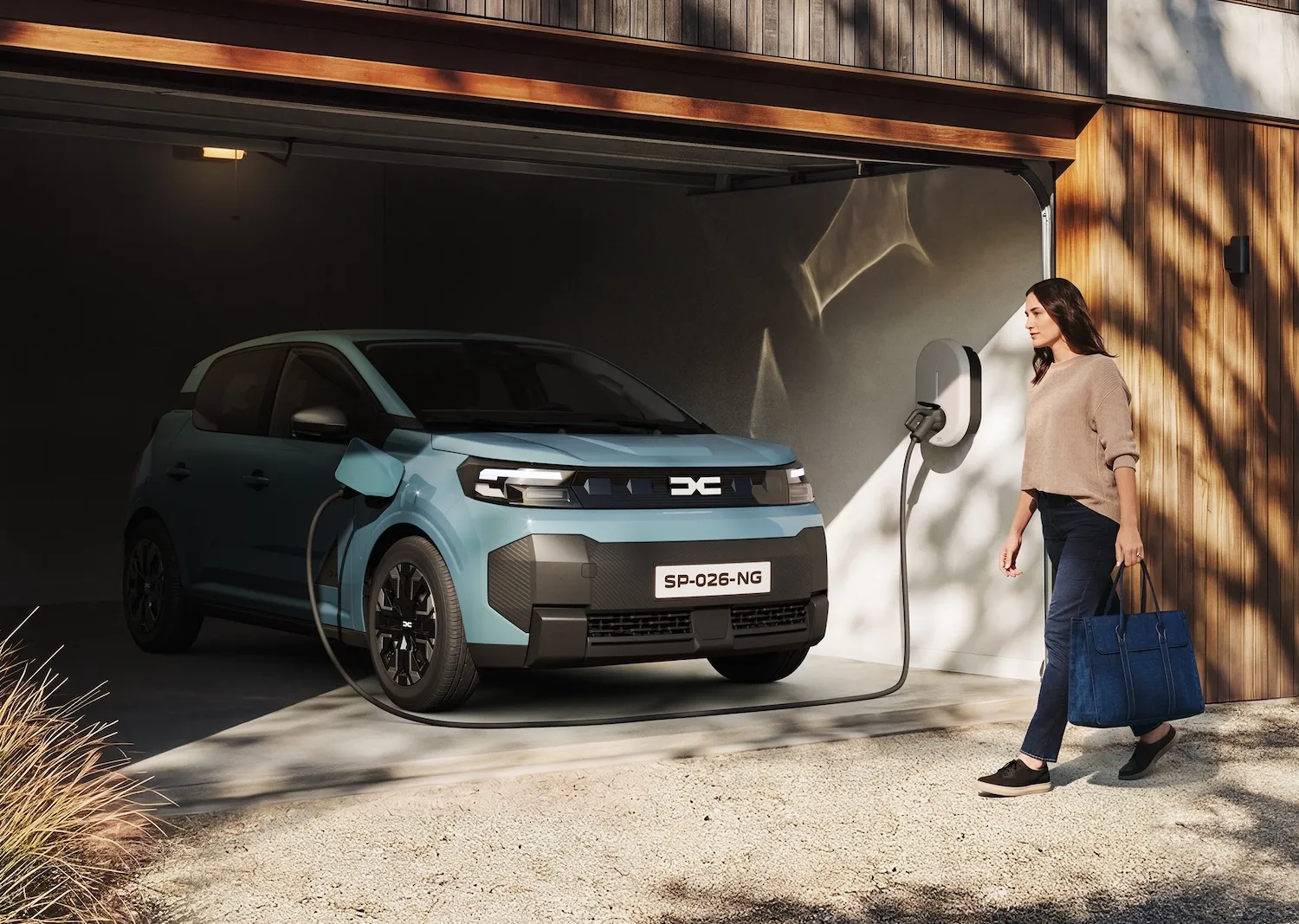
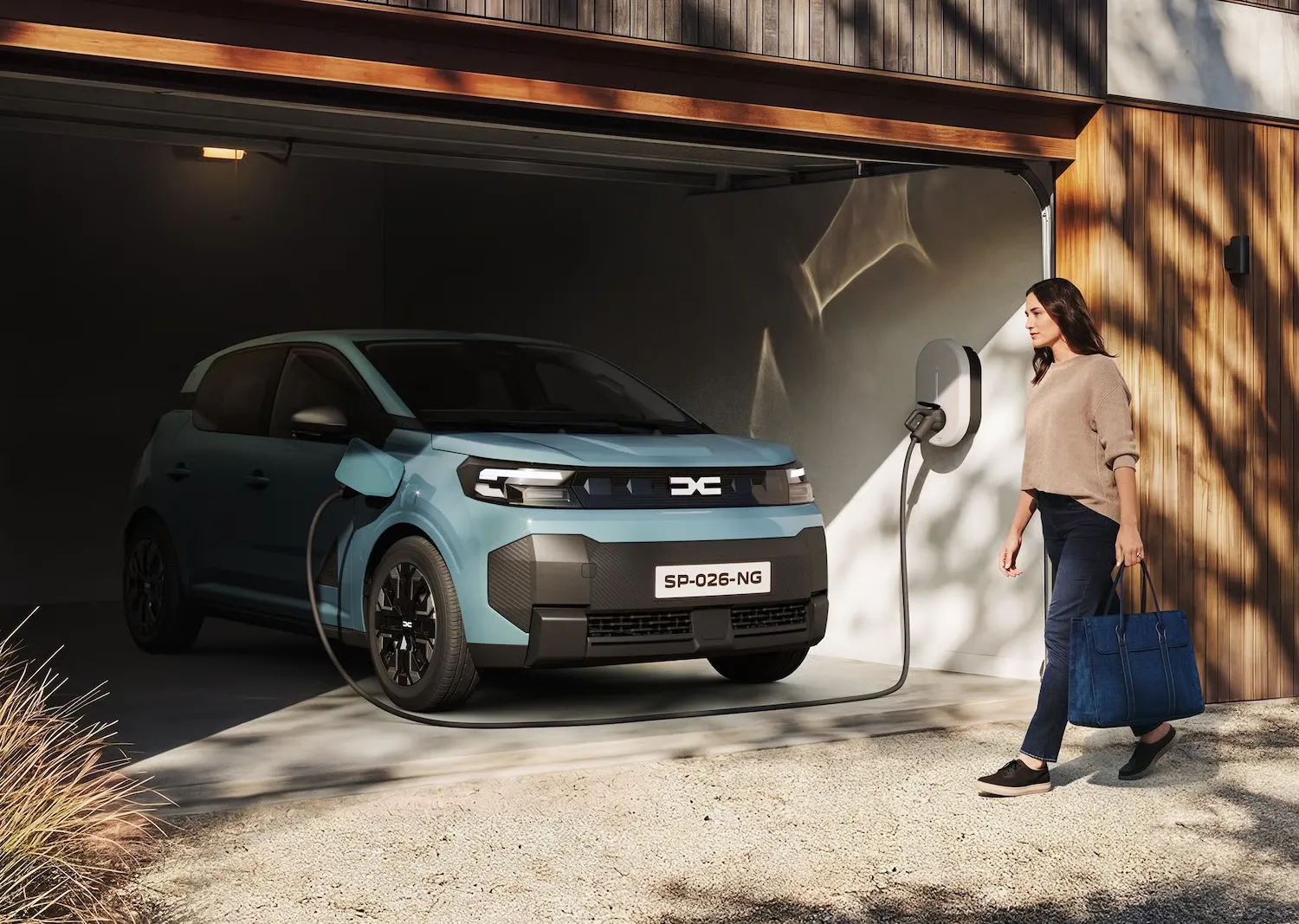
250 km of range? Does that seem low to you? It’s actually far too much for the real-world use of a small car like the Spring. Dacia explains why the Spring still didn’t opt for a smaller battery.
With its new generation, the Spring has made progress in many areas, including range. It now boasts 250 km of range in the WLTP mixed cycle, compared to 220 to 230 km for the previous version depending on the variant. This improvement surprised us somewhat, as we recall a surprising statement by the brand’s former CEO, Denis Le Vot: “If we had to redesign the Spring, I would cut the battery size in half.”
If he said this, it’s because Dacia had confirmation that the car was used for short daily trips. According to the data presented at the launch of the new version, first-generation Spring customers drive an average of 34 kilometers per day.
It therefore seems unnecessary to have a battery that allows around 200 kilometers of range in real use. This reasoning makes sense for a brand like Dacia that aims to keep prices as low as possible. Since the battery remains the most expensive component of the car, reducing its size would allow for an even more attractive price point.
Also read
New Dacia Spring: What are the differences and price gap compared to the Renault Twingo electric?
Psychological limit
But there is a psychological limit for buyers, the 200 km mark, as Hervé Barrière, Spring’s product manager, explained during the vehicle’s preview: “Offering a vehicle with, say, an 180 km range approval that might suit certain people seems quite disappointing; people aren’t ready yet and haven’t gone far enough in adopting electric habits to say it would suffice for their daily use.” Customers also consider the actual range: “When you already have a vehicle with an approved 200 km range, they hesitate, thinking ‘in the end, I might only get 140 km,’ which makes things complicated.”
However, it is necessary to find the right balance, an “encouraging compromise,” which Dacia believes it has achieved with these 250 km range. But Hervé Barrière says more education is needed among buyers who want even more range, when it isn’t necessary for this type of vehicle: “It’s sufficient; customers drive about thirty kilometers a day, and one charge per week is enough. It requires work and raising awareness to change mindsets. We see that with those who hesitate to switch to electric vehicles, there are still obstacles—some say they want 300 to 400 km range. By discussing with them, we can show them that it’s more than enough for their daily use, especially since it’s often the second or third car in the household.”
And simple industrial logic
There is also an industrial logic at play. The Spring uses the same platform as the Twingo and is manufactured alongside it at the Novo Mesto plant in Slovenia. The Renault is equipped with a 27.5 kWh LFP battery and offers a range of 263 km. The Spring could have stood out with a range of around 200 km using a smaller and less expensive battery... but by adopting the same battery as the Twingo, Dacia was able to reduce costs.
Hervé Barrière explains: “Through economies of scale, we reduce our costs, which also allows us to offer a cheaper vehicle. Rather than trying to create variety and asking suppliers for different battery packs, it wouldn’t be economically viable.” Having a different battery on the assembly line, even one that is smaller, would therefore have been counterproductive, even in terms of the final selling price.