
To lower the price of its electric cars, Volkswagen is accelerating development of LFP batteries.
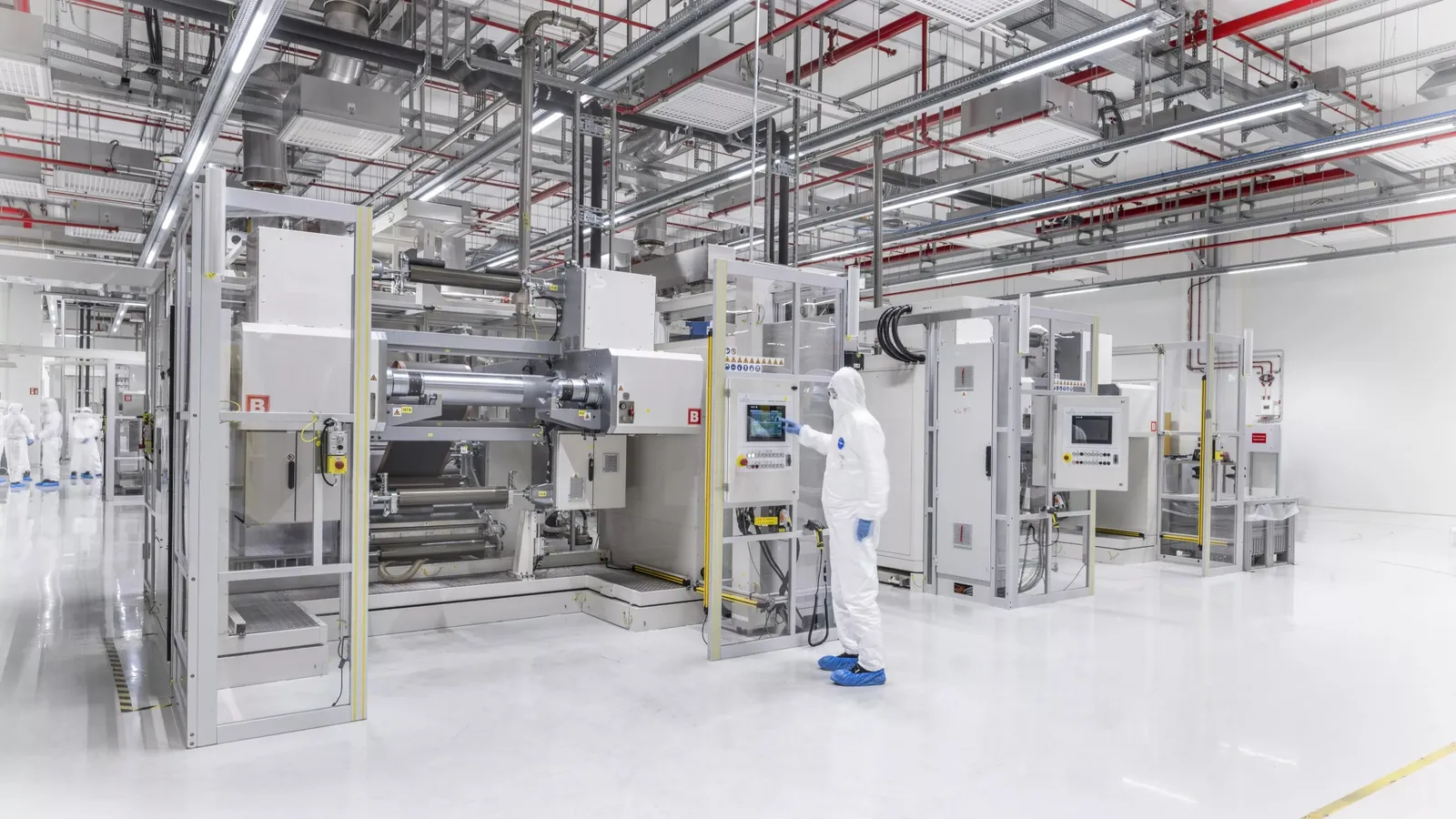
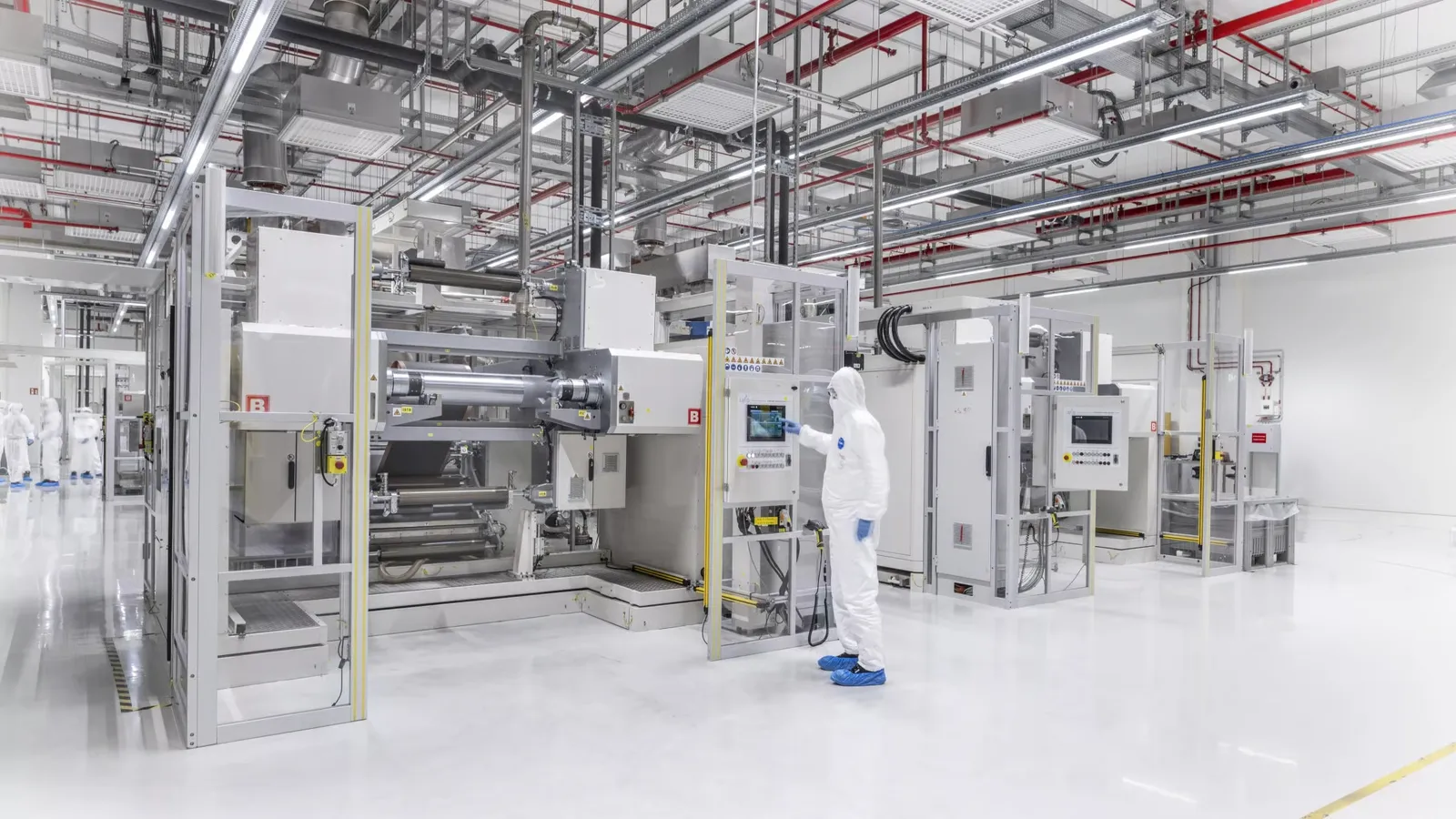
Volkswagen Group is significantly strengthening its partnership with Chinese manufacturer Gotion. The two companies will establish three joint ventures in Spain, Slovakia, and Morocco to produce cells and materials for LFP batteries. This cheaper technology is expected to play an increasingly important role in European electric vehicles.
LFP batteries have long been associated with Chinese automakers and the most affordable electric cars. But their lower cost, durability, and longer lifespan are now attracting European conglomerates as well. Volkswagen aims to accelerate adoption of this technology through its long-standing partner, Gotion.
Also read
After an accident, this scanner allows checking the condition of an electric vehicle battery without removing it.
Three sites for developing LFP batteries
The German group, its subsidiary PowerCo, and Gotion will establish three joint ventures. The most significant one relates to the factory in Valencia, Spain, which is currently under construction. PowerCo will retain 51% of the shares, while Gotion will invest around 1.1 billion euros to acquire 49%. This site is set to become one of Europe’s key production centers for Volkswagen’s LFP chemistry “Unified Cell” batteries.
A second partnership will involve the Gotion factory in Surany, Slovakia. This time, the Chinese manufacturer will retain a majority stake of 51%. LFP cells will be produced there for both electric vehicles and stationary storage systems. Finally, the two companies will establish a third facility in Kenitra, Morocco.
At this last site, battery assembly is not planned. The factory will produce cathode active materials for LFP cells. PowerCo intends to invest a total of 470 million euros in the Slovak and Moroccan projects to acquire 49% ownership in each joint venture. It is a significant investment to stay competitive.
A technology set to play an increasingly important role
This convergence particularly highlights the rapid evolution of the battery market. Volkswagen estimates that LFP cells account for about 10% of the European market, but their share could reach 60% by 2030. The automaker notes that Europe still lacks any significant production capacity for this technology.
Also read
Electric vehicle batteries: Europe may have only three years left to save its industry
The German group therefore prefers to rely on Gotion’s expertise rather than developing the entire supply chain on its own. The two companies have been collaborating since 2020. Volkswagen remains a shareholder in the Chinese manufacturer, even though it recently reached an agreement to sell 5.3% of its shares.
But behind the stated desire to build a European battery industry, reliance on Asian specialists in technology still persists... It should be noted that for Volkswagen, the stakes are also economic. The widespread use of LFP should help the company reduce battery costs and thus those of its electric vehicles.