
Portugal plans to offer up to 80 percent subsidies for electric cars
Portugal will now support low-income households in purchasing an electric vehicle with up to 80 percent of the vehicle’s price. The new program is expected to cover around 20,000 vehicles. Meanwhile, the government intends to continue regular electric vehicle subsidies with a budget of 50 million euros.
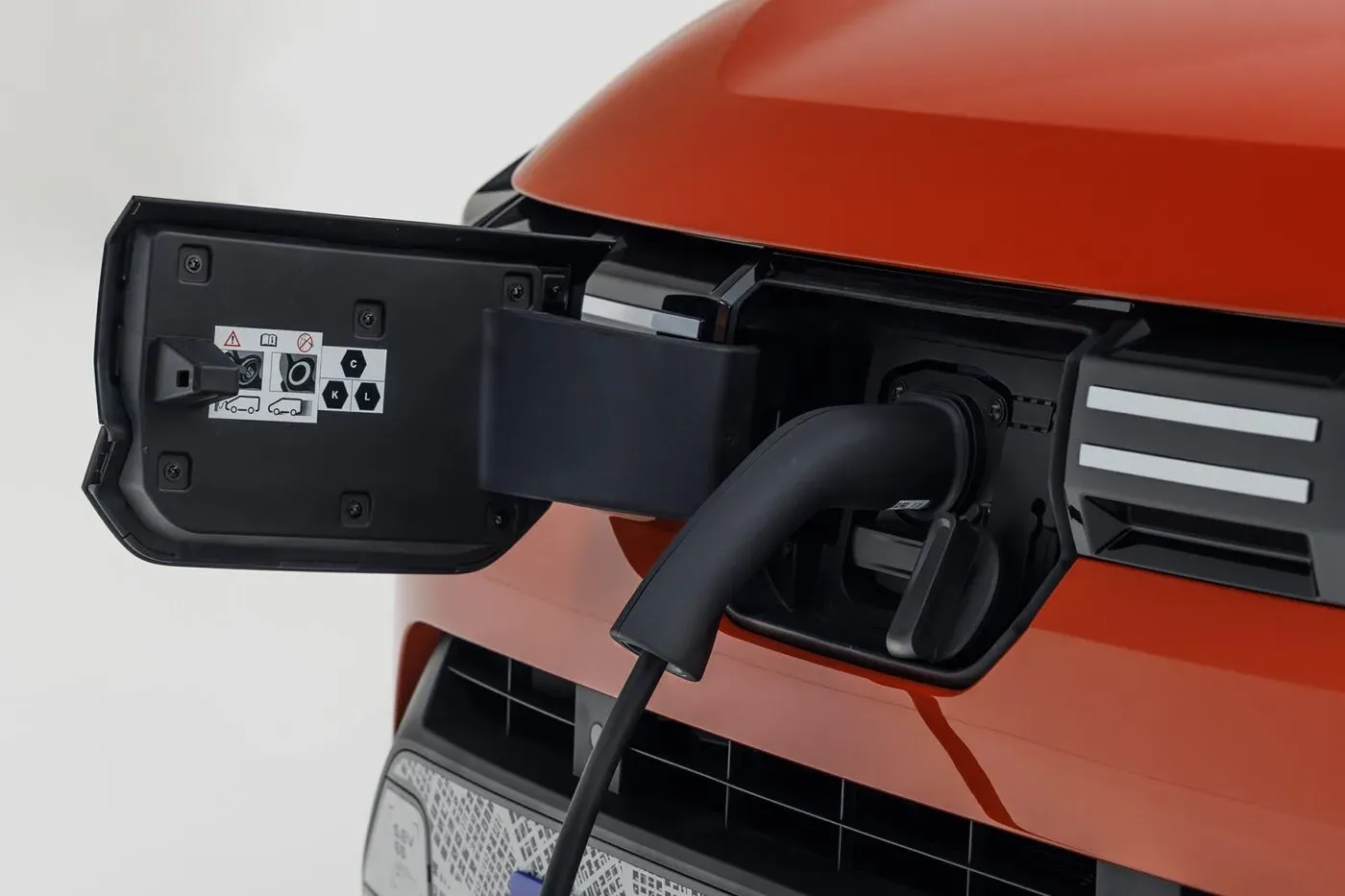
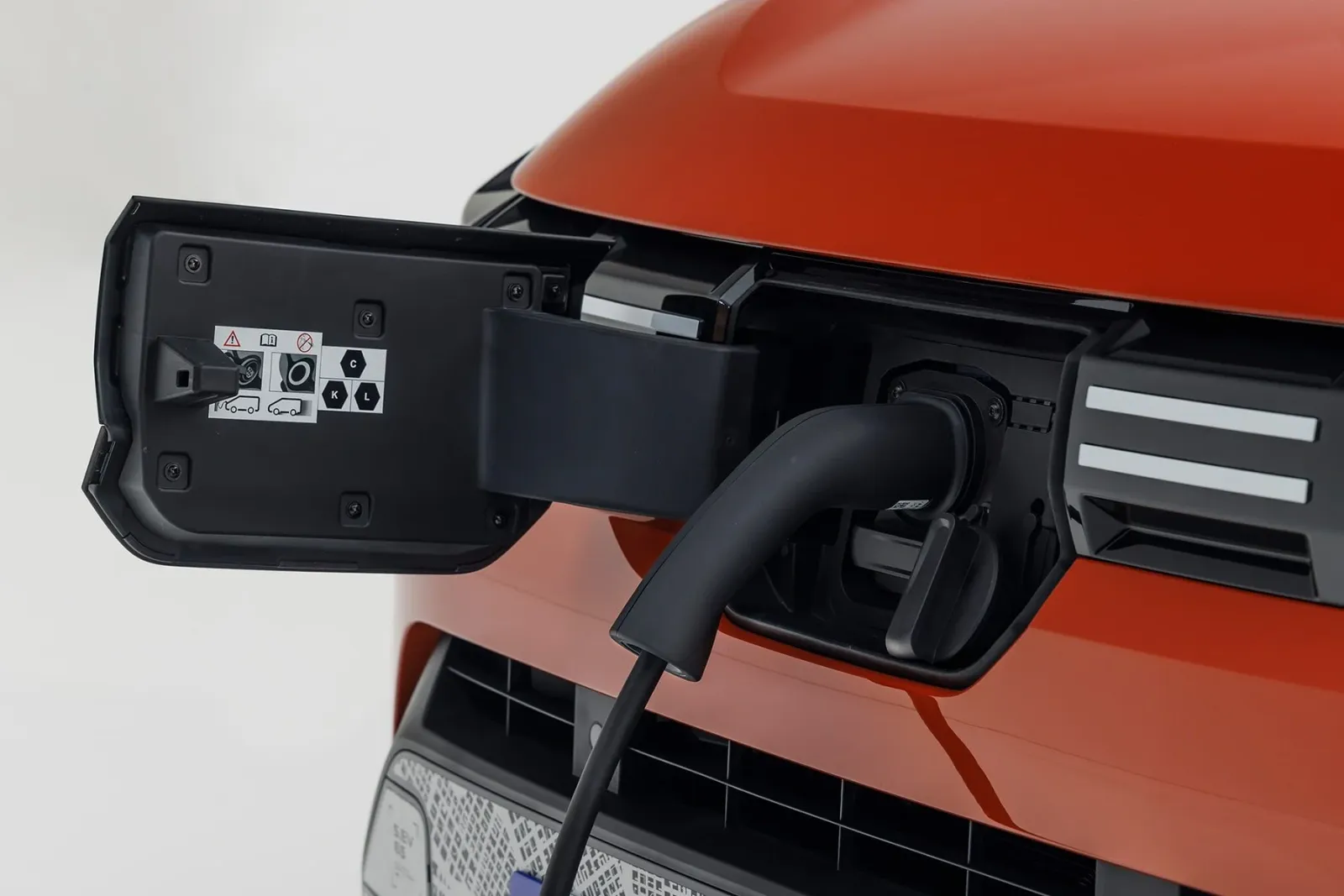
The Dacia Spring fits within Portugal’s planned subsidy scheme.
Image: Dacia
Portuguese Environment and Energy Minister Maria da Graca Carvalho announced the new subsidy during parliamentary discussions on the 2027 state budget. For the first time, a separate program is set to be created for low-income households. The subsidy will cover up to 80 percent of the vehicle’s value for around 20,000 electric cars.
According to the Portuguese Environment Ministry, the eligible purchase price should be at most 15,000 euros before VAT. If a combustion engine vehicle is scrapped at the same time, the ceiling increases by 1,000 euros to 16,000 euros. Additionally, up to 1,000 euros may be provided for the installation of a charging point.
This clearly defines the announced 80 percent subsidy rate: it applies not indefinitely to electric cars of any price, but only within these price limits. It remains unclear, however, what income thresholds apply for participation and when the program will actually launch.
Regular electric car subsidies to continue
In addition to the new social program, Portugal also intends to maintain the existing subsidies for the general public. Around 50 million euros are planned to be allocated for this purpose in 2027. According to the minister, the conditions will generally follow those of previous programs.
Portugal has been promoting electric vehicles for several years. At the beginning of 2026, the government launched a program worth 17.6 million euros for electric cars, electric two-wheelers, and charging infrastructure. Private individuals could receive up to 4,000 euros when purchasing an electric car. One requirement was the disposal of a combustion engine vehicle that was at least ten years old. The eligible purchase price was capped at 38,500 euros or 55,000 euros for vehicles with more than five seats.
In June, another funding round from Portugal’s environmental fund was launched, with a volume of 10 million euros. Vehicles purchased since the beginning of 2025 were also eligible, provided the applicants had not already been considered in a previous round.
With the new program for low-income households, Portugal would for the first time move away from previous support based on fixed grant amounts. Instead, a percentage of the vehicle price is to be covered. The actual amount of subsidy per household will henceforth depend more heavily on the purchase price and the criteria for eligibility yet to be established.
In addition, the government plans further measures to electrify transportation. According to discussions on the budget, up to 9,000 electric vehicles are set to be supported for small businesses. There are also plans for subsidies for less polluting heavy commercial vehicles and their charging infrastructure. The procurement of electric buses in sparsely populated areas is also intended to be co-financed.
The state budget for 2027 has not yet been finally approved. The parliament initially passed the draft in first reading on October 28, but the final vote is not scheduled until November 24. The specific funding guidelines for the new program are also still pending.