
Porsche: 11 kW of comfort for Cayenne owners
In short:
Porsche has begun accepting orders for its home wireless charging system for BEVs
Charging power? 11 kW
It’s not about speed but about convenience in daily use, claims the German premium car manufacturer
The technology remains reserved exclusively for the new Cayenne Electric
Porsche offers induction charging
Just a few years ago, wireless charging for electric vehicles seemed like a future solution that manufacturers talked about more than they implemented. Now Porsche is taking another step toward commercializing this technology. The Stuttgart-based manufacturer announced that all components of the Porsche Wireless Charging system are now available for ordering in Germany and other European countries.
The system debuts with the new model year of the electric Cayenne and is set to be gradually introduced in additional markets. Porsche states that the offering will eventually cover all countries with Porsche Connect services, except China — according to the manufacturer’s statement.
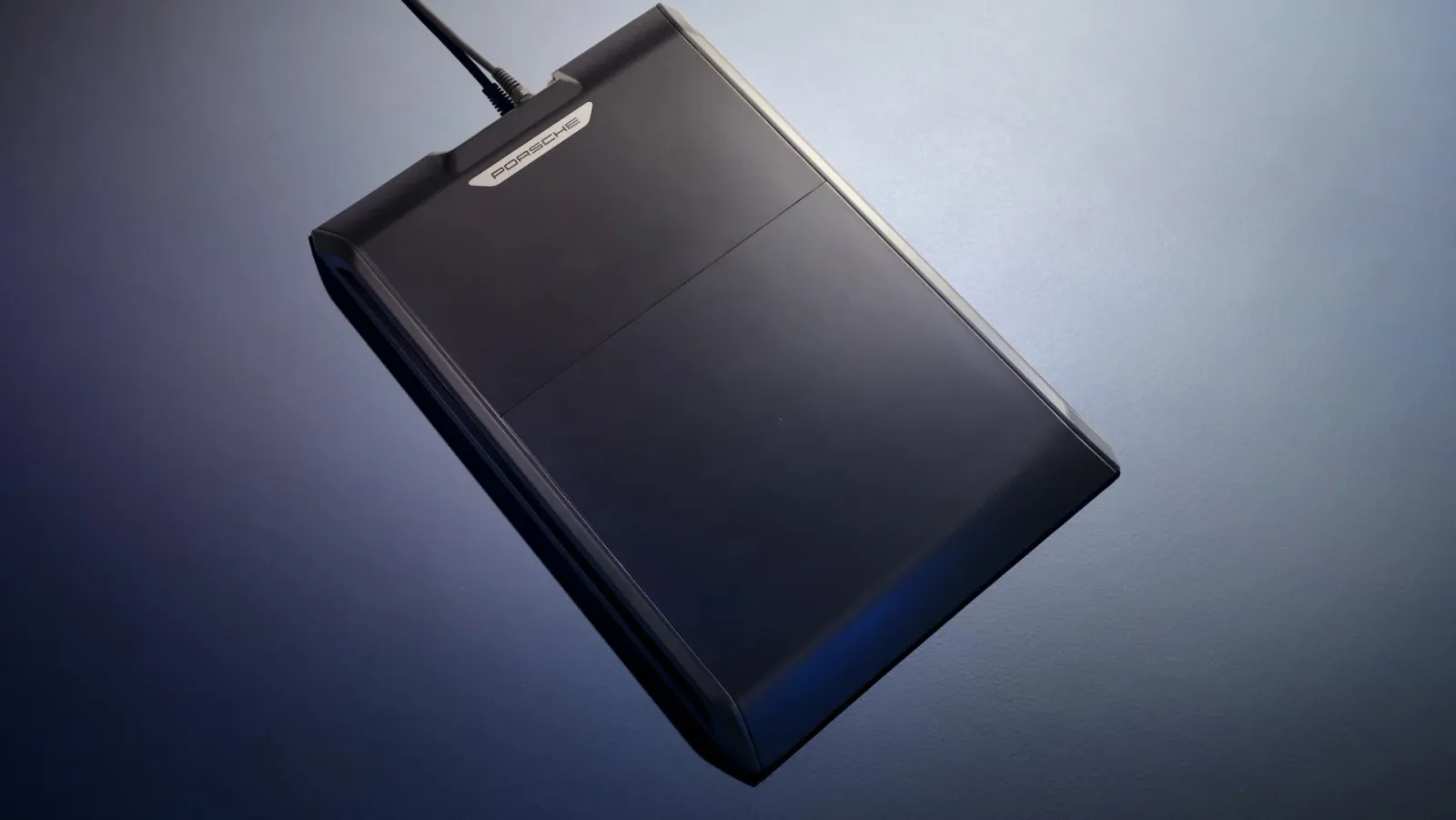
How does the induction charging system in Porsche’s version work? The setup consists of three components: the vehicle’s factory preparation for the system, a receiver module installed under the car, and a plate placed in the parking spot. The driver only needs to park on top of the mat, and the charging process starts automatically without the need to connect a cable.
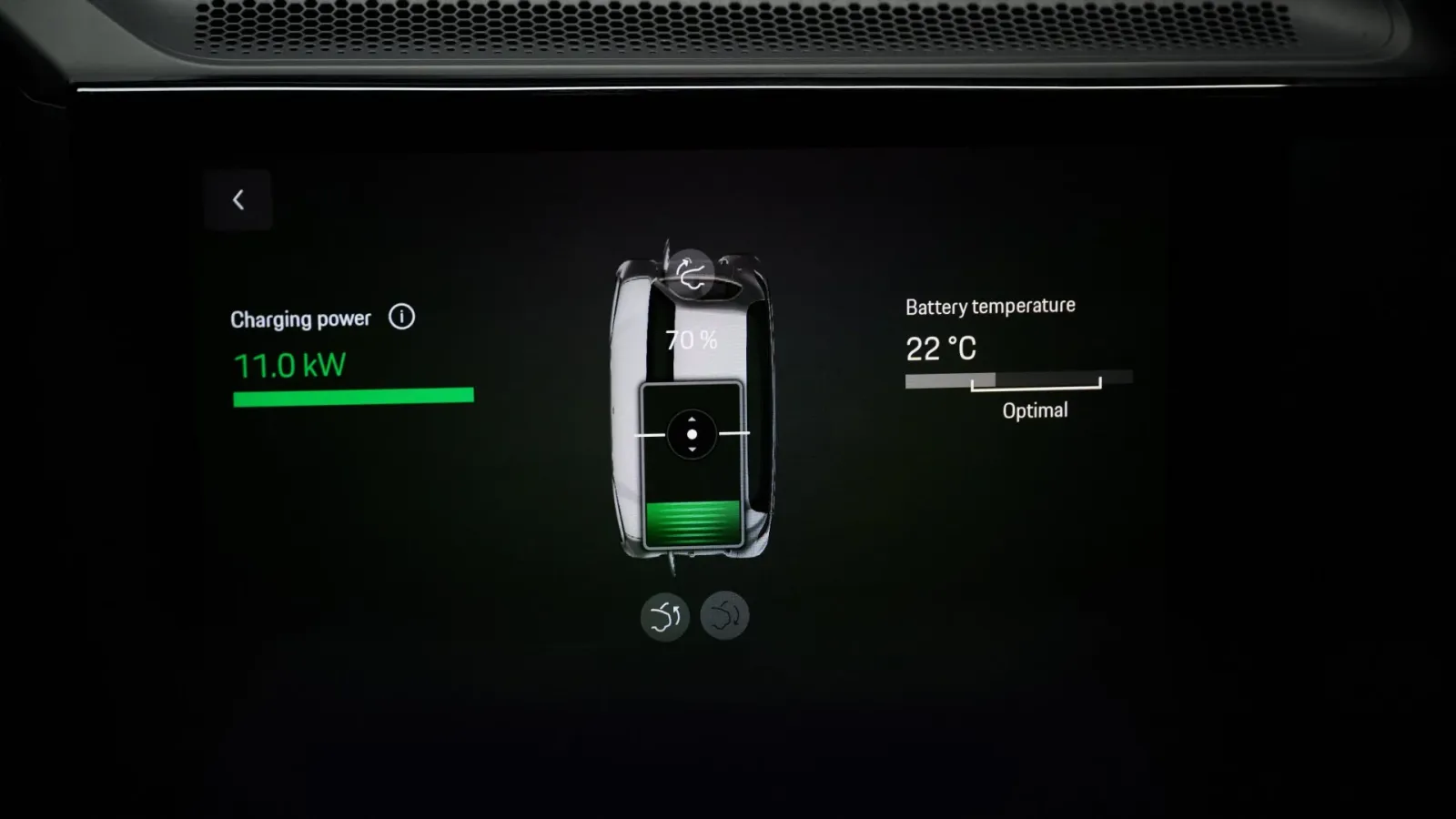
According to the manufacturer, energy is transmitted wirelessly at a power of up to 11 kW with an efficiency of around 90 percent. This means that in terms of performance parameters, the system is equivalent to standard AC charging at the same power level. However, it cannot compete with optional 22 kW onboard chargers or fast DC charging, which the electric Cayenne is designed to achieve at around 400 kW.
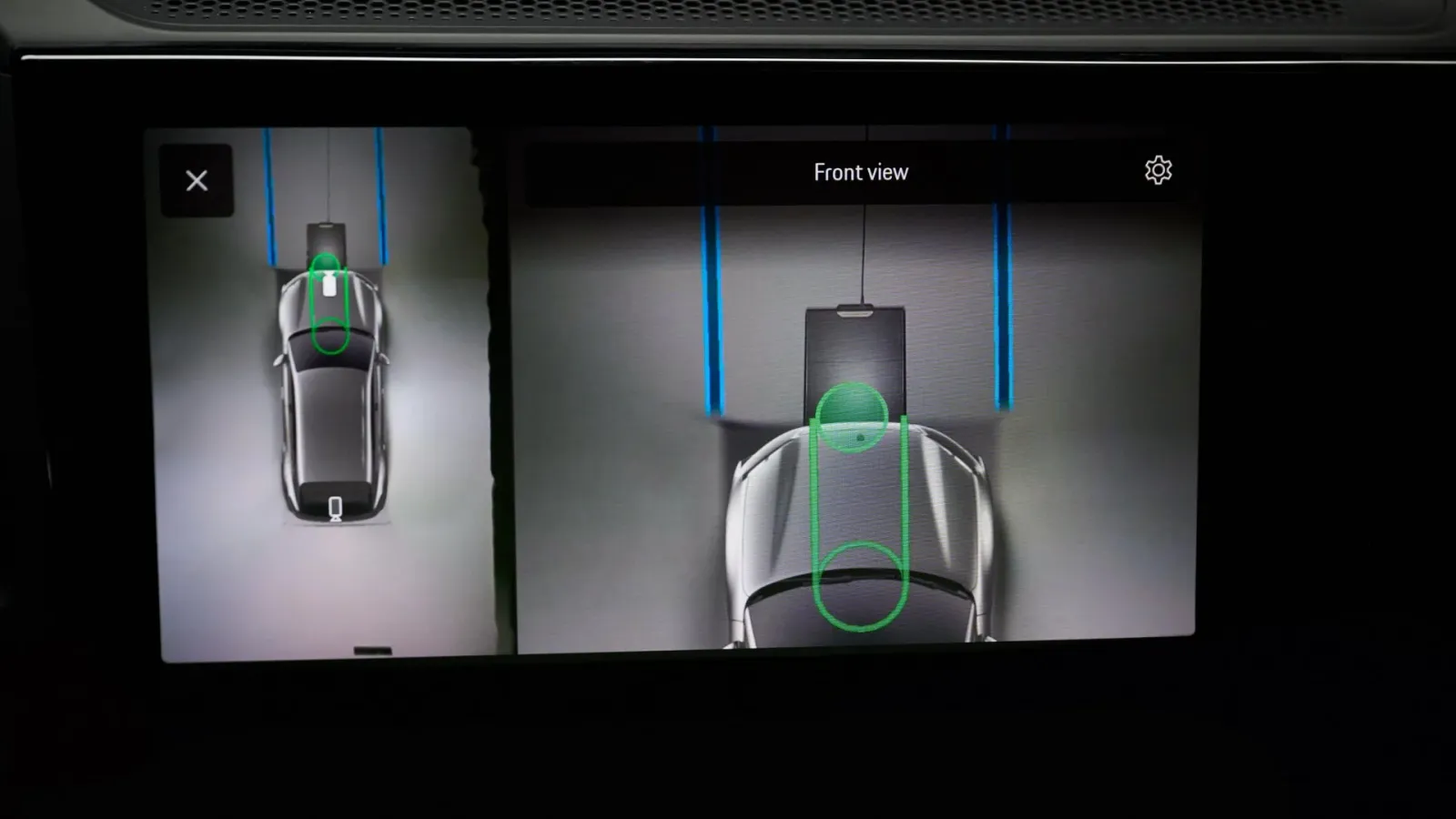
The manufacturer itself does not attempt to present the new solution as the fastest on the market. The main advantage emphasized is user comfort. As Porsche states, “instead of plugging in a cable, you simply need to position the Cayenne Electric above a permanently installed charging pad, and the charging process will start automatically.”
Comfort First
The innovations in the Cayenne Electric are not limited to induction charging alone. Porsche has also added electrically operated doors to the lineup. According to the manufacturer, a slight pull on the handle allows servomotors to take over the entire opening and closing process.
The car uses a set of sensors to monitor its surroundings. If an obstacle or person is near the door, movement will be stopped. Collaboration with the exit warning system is also intended to prevent the doors from opening in front of approaching vehicles.
Even for wireless charging, the manufacturer has focused on solutions that enhance safety. The floor-mounted plate is weather-resistant and can operate outside the building. Motion sensors as well as a system for detecting foreign objects have also been incorporated. If an animal or person approaches, or if a metal object comes into contact with the mat’s surface and starts to heat up, the charging process will be automatically interrupted.
Currently available only for Cayenne Electric
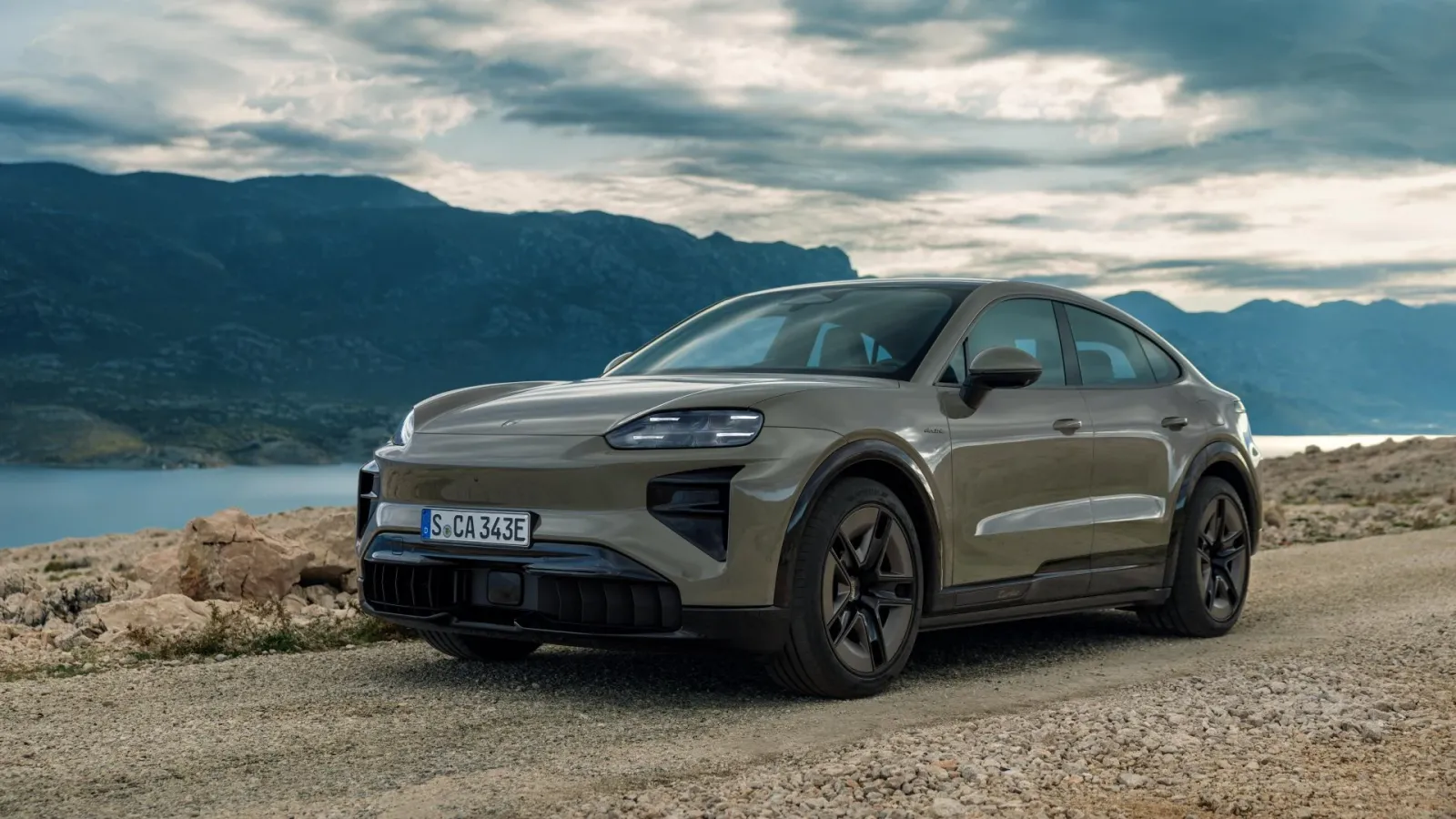
Porsche introduces a new technology as an important step forward in the development of electric mobility. However, its availability is currently very limited. The system is not offered in either the electric Macan or Taycan. As Maximilian Müller, the company’s lead for high-voltage system development, explained earlier, the receiver module cannot physically fit between the components of the front suspension in these models. The situation is different for the Cayenne, as its larger body structure allows the receiver to be installed beneath the front engine, between the wheels.
An important limitation is also the lack of the ability to equip the car later. Customers must order the appropriate preparation package at the vehicle configuration stage. Without it, installing the system in the future will not be possible.
The first of its kind?
Porsche claims to be the first manufacturer to introduce an 11 kW inductive charging system for all-electric vehicles in what is known as a one-box architecture. This means that all control components, except for the power cable itself, are integrated into the floor-mounted panel and the car, eliminating the need for a separate wallbox or additional control unit.
This doesn’t mean, however, that wireless charging is a complete novelty in the automotive industry. As early as 2018, BMW offered such a feature in its hybrid 530e model, with the system’s power output at around 3.2 kW. Similar solutions also appeared in hybrid versions of the Mercedes S-Class. These were, however, much less efficient systems designed for plug-in hybrid vehicles rather than fully electric cars.
A difficult moment for Porsche’s electrification efforts
The launch of the new system comes at a time when Porsche’s sales of electric cars are not progressing as expected. According to the company, fully electric vehicles accounted for 19.4% of the brand’s deliveries in the first half of the year, compared to 23.5% the previous year. Porsche’s total deliveries declined by 16% during this period to 122,306 vehicles, with a 32% drop observed in the highly competitive Chinese market.
It is difficult to expect induction charging alone to reverse this trend. However, it could serve as an argument for customers who charge their cars at home daily and prioritize convenience over record-breaking charging speeds.
Oskar Włostowski