
Porsche will combine CO2 emissions with Xpeng in the EU. The Chinese company will receive credits for the years 2026-2027.
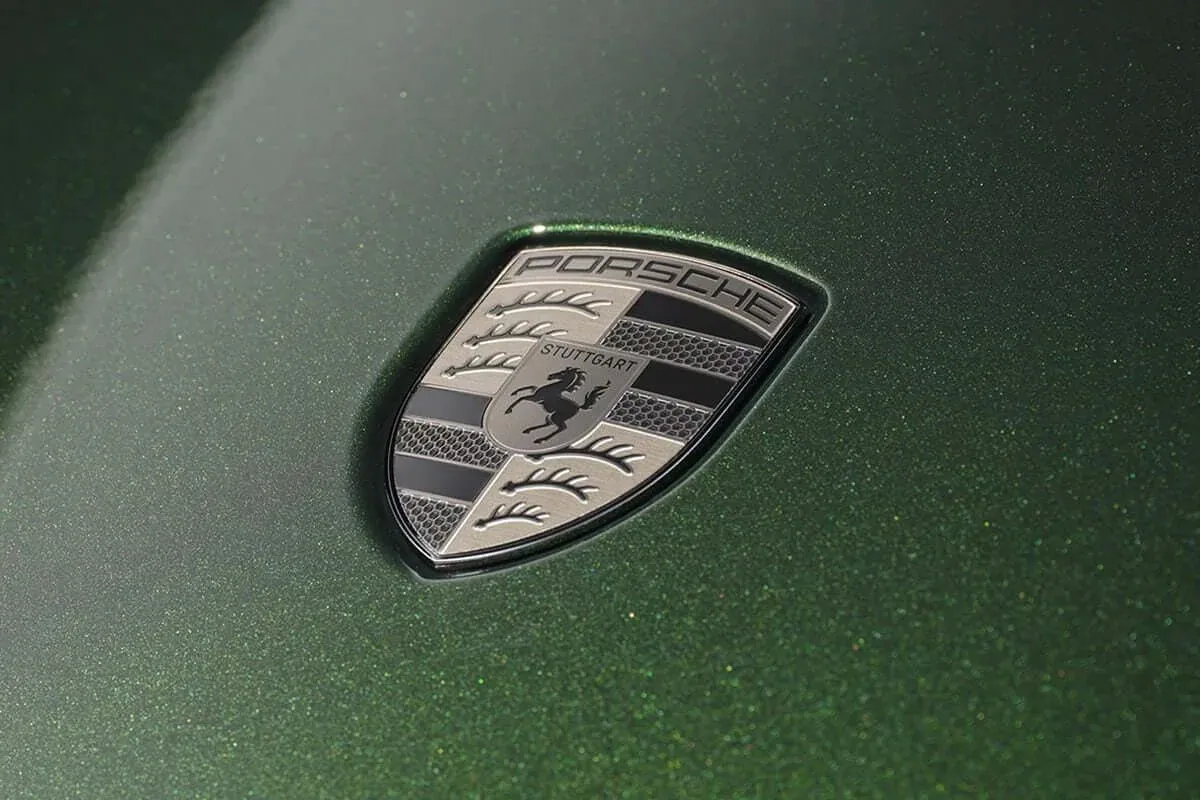
Porsche is said to need to leave Volkswagen Group’s EU CO2 emission pool and report new registrations for 2026-2027 together with Xpeng. This is confirmed by a submission to the European Commission dated August 5, 2026.
This is not a shared platform or joint dealership. The EU pooling system allows brands, even competitors, to combine their fleets under one limit. Xpeng sells electric vehicles in Europe, so as its volume grows it can generate regulatory credits. Porsche confirmed the arrangement to Handelsblatt: it aims to provide “flexibility in transitioning to electrification” without changing its long-term strategy. “We continue to invest in the company’s transformation, vehicle electrification, and technologies that will permanently reduce our emissions on our own,” said a spokesperson. Neither Zuffenhausen nor Wolfsburg provides detailed explanations for why now.
Xpeng grows, Porsche slows down electrically
Schmidt Automotive Research estimates that Xpeng will deliver less than 20,000 vehicles in Western Europe in the first half of 2026. The analyst expects around 50,000 deliveries for the whole year, thanks in part to the mass-produced L03 model. At this pace, the Chinese brand could overtake Polestar in registrations in Western Europe still this year. Volkswagen holds a 5% stake in Xpeng.
For Xpeng, this represents potential additional revenue from a pooling agreement. Porsche must meet EU emission targets separately from the other brands in its group. The cost in 2026 and 2027 will depend, among other factors, on electric vehicle sales. Sales of EVs in Western Europe have declined by nearly 30% year on year. BEVs account for about 30% of Porsche’s regional registrations today, up from nearly 40% a year earlier. Meanwhile, Zuffenhausen is returning to internal combustion engines with plans for a new gasoline-powered model in the Macan segment.
Why is VW removing Porsche from the pool?
Volkswagen Group had an average of 100 g/km in the EU27 plus Norway and Iceland in 2025, against a target of 93.6 g/km. Without last-minute relaxation of the limits, it faced fines of up to 2.2 billion euros. The shortfall from 2025 still needs to be made up in 2026 and 2027, as Brussels considers three years together. Excluding the relatively high-emission Porsche from the pool reduces the burden on the rest of the brands. By the end of 2027, the group must still reach the required three-year average — either by paying or purchasing additional pooling credits.
The Union does not require adherence only to brands within one’s own group. Open pools with external manufacturers are legal as long as they are transparent and economically justified. The terms are negotiated by the parties themselves.
Porsche is choosing a Chinese partner for its emission credits, not for a joint vehicle. Do you think there will be more such Europe-China arrangements in the EU?
LovEV Newsletter
Want more content like this?
Sign up — we’ll send you a weekly summary once the newsletter starts.