
Porsche is not abandoning the Taycan. Despite sales falling from 40,629 to 16,339 units, it is cutting down on model versions.
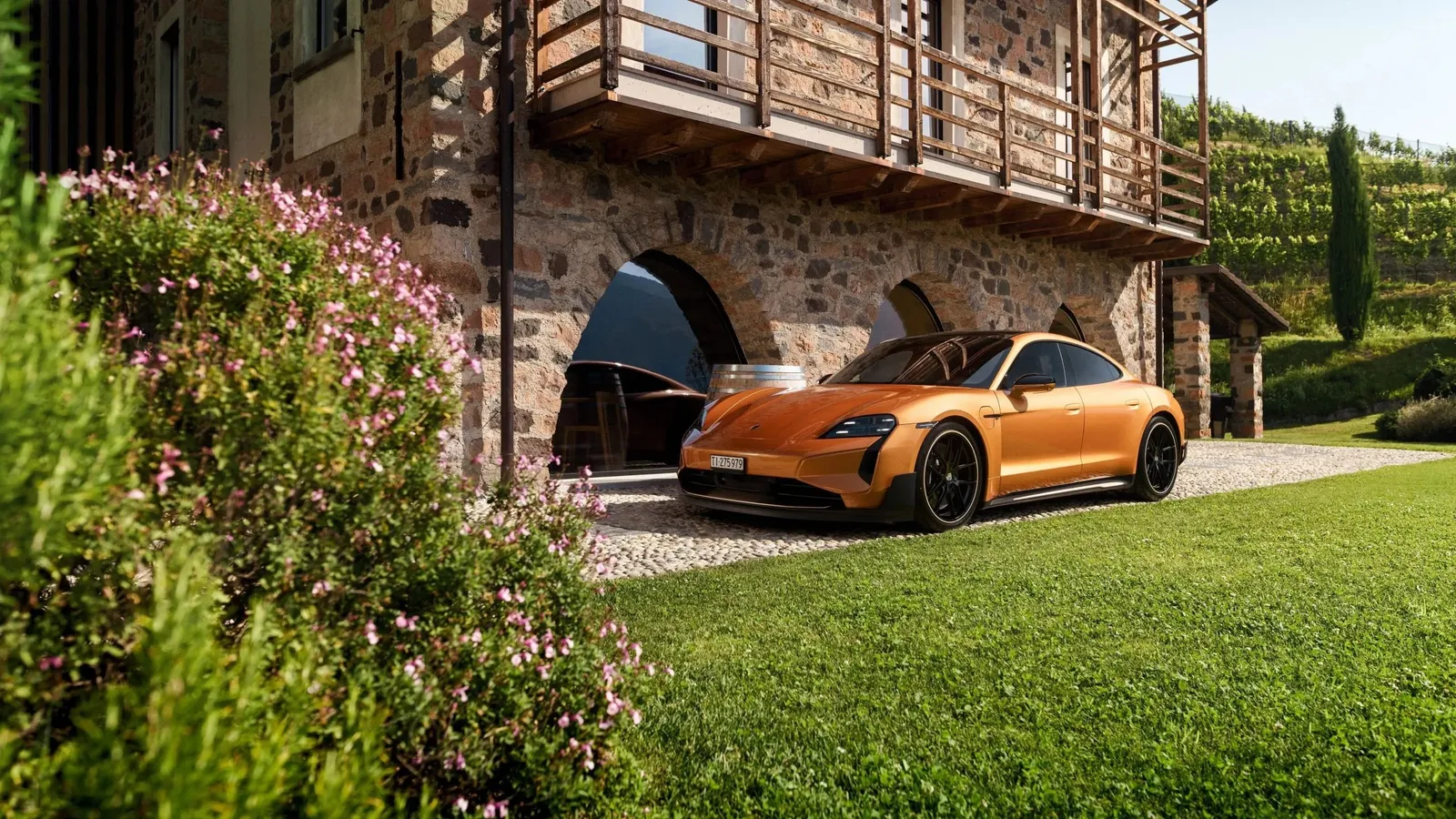
Porsche has responded to reports of an imminent end for the Taycan, stating it does not plan to retire the model in the near future. This is a reaction to reports suggesting that Porsche’s electric vehicles could disappear by 2030, and sales are indeed declining: from 40,629 units in 2023 to 16,339 in 2025.
This is more important information for EV drivers than marketing claims about “the thrill of driving.” If a premium brand starts cutting models instead of talking about a second generation, the signal is quite clear.
Porsche: Fewer versions, but no decision to discontinue
According to earlier reports in Germany’s WirtschaftsWoche, Porsche management was said to have agreed on a gradual phasing out of the Taycan by 2030. There were even suggestions that at one point, an immediate removal of the model from the lineup was considered.
Porsche does not confirm this. In a statement, the company said that “streamlining the model range does not necessarily mean discontinuing entire model lines,” and in the case of the Taycan, it will continue to “reduce the number of variants to lower complexity.”
This is quite specific. The Taycan will remain, but in a reduced range. Fewer versions usually mean lower costs and simpler production. However, the lack of a stronger commitment for future years is concerning.
The brand’s spokesperson also added that the manufacturer “has no plans to discontinue the Taycan in the short term” and that Porsche “has invested significantly in this model,” with plans to monitor demand going forward.
The short term is certain, but the long term is not necessarily.
This gets interesting because Porsche is very cautious with its wording. It mentions a “short term” but doesn’t confirm either a second generation or a long lifespan for the model beyond this decade. And that says more than any PR statements.
The brand has previously overestimated the pace at which customers will switch to electric vehicles. The result? It withdrew from some of its earlier plans. The upcoming flagship SUV, the K1, won’t be purely electric anymore, as will the future 718 Cayman and Boxster models, which are also set to receive gasoline versions.
In practice, Porsche might decide that building a completely new Taycan isn’t economically sensible. The text also suggests a logical alternative: instead of a second generation Taycan, the brand could develop an electric Panamera in the next decade. From a cost perspective, this sounds more reasonable, as sharing platforms and components facilitates development and allows for quicker responses to actual demand.
For the Polish market, the message is clear: if someone views the Taycan as a car with a long model lifespan, they won’t get a definite answer today. All they receive is the promise that Porsche won’t turn off its development efforts right away.
So what’s most interesting isn’t that the Taycan will continue, but rather that Porsche refuses to say for how long. What do you think? Should the brand develop a second generation of the Taycan, or simply move electric powertrains to the Panamera?
LovEV Newsletter
Want more content like this?
Sign up — we’ll send you a weekly summary once the newsletter starts.