
Porsche will not be making an electric supercar, and the reason is simple.
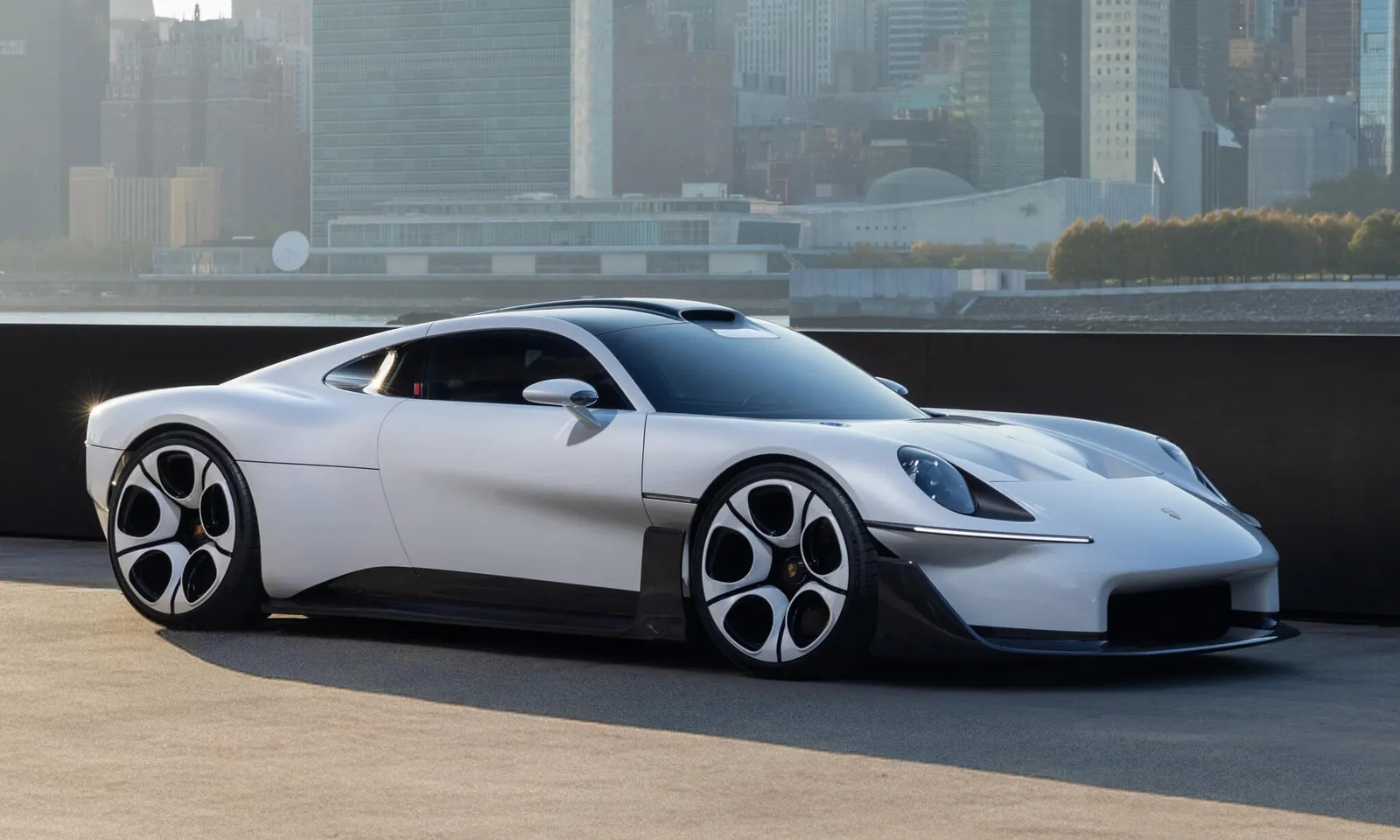
Porsche has not abandoned electric vehicles, but it won’t rely on this technology for its supercar. Find out why.
With the introduction of the Porsche Mission S, the Stuttgart-based brand confirmed something we had long suspected: there truly will be a new supercar positioned above the 911.
Based on a new platform that could accommodate hybrid or purely internal combustion engines, little is known about this upcoming supercar yet, but one thing is certain: a 100% electric version is not in the plans.
This assurance was given by the brand’s CEO, Michael Leiters, who explained the decision simply and concisely: “There won’t be an electric car on this platform because there is no demand for it.”
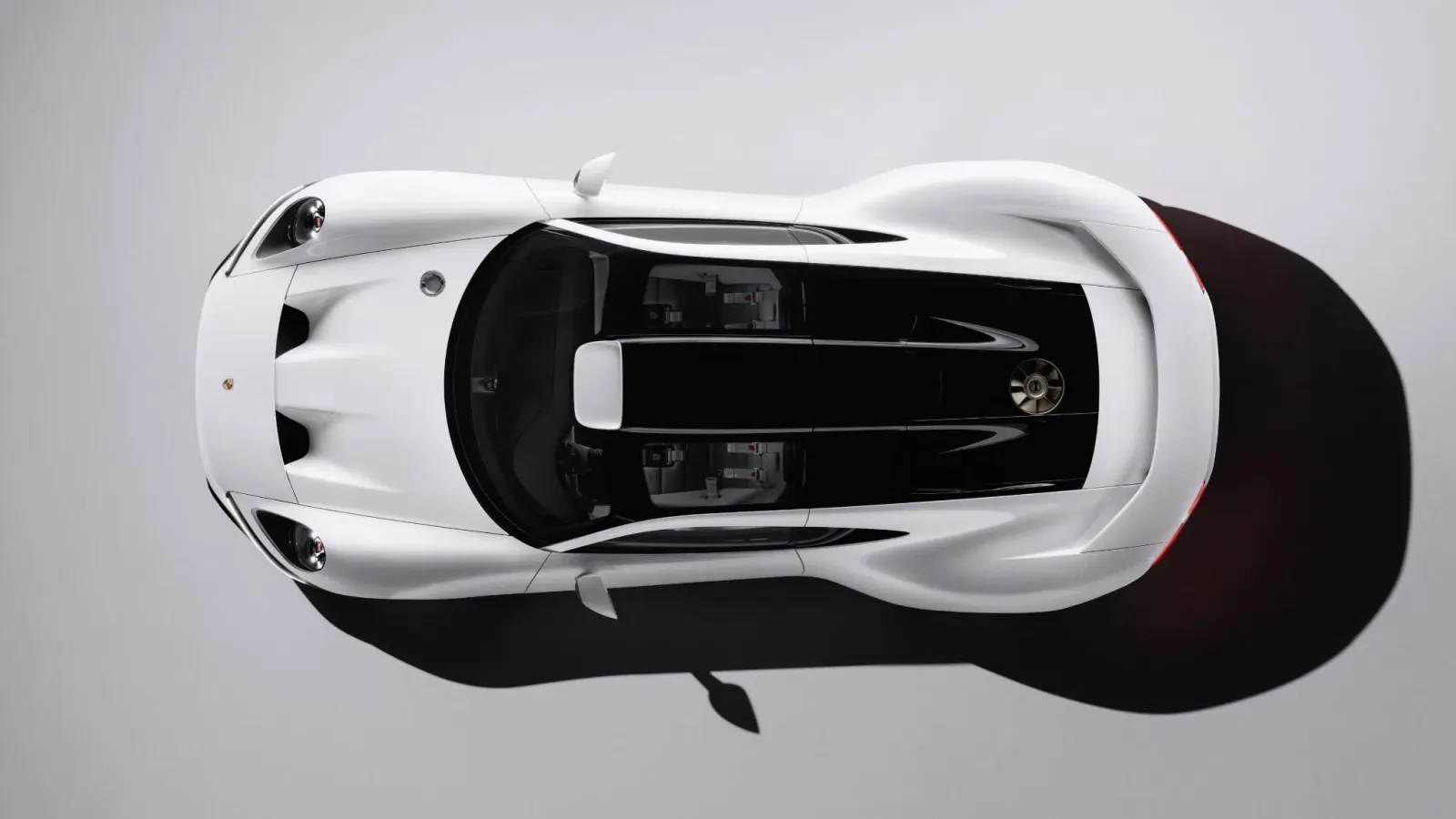
Hybrids Remain on the Table
The decision to exclude an electric version does not mean Porsche is considering abandoning electrification. The manufacturer continues to develop electric vehicles, but it believes this solution is not suitable for its future supercars.
In addition, the platform that will serve as the basis for the Mission S was designed to accommodate internal combustion engines, conventional hybrids, and plug-in hybrids, and for now, the brand has not ruled out using these technologies in this model. Still, rumors suggest otherwise: a focus on internal combustion engines alone.
Discover your next car:
Frequently Asked Questions
Porsche’s stance aligns with the concerns of other luxury sports car manufacturers regarding demand for purely electric models.
Lamborghini, for example, abandoned plans to launch a 100% electric model, and Aston Martin also delayed the release of its first electric-powered vehicle.
On the other hand, manufacturers that have not moved away from electric supercars are also not achieving much success. An example is the Rimac Nevera, which sold only 71 units out of the initially planned 150.