
Why retro electric cars are succeeding (beyond nostalgia): many of them would have been impossible with a combustion engine
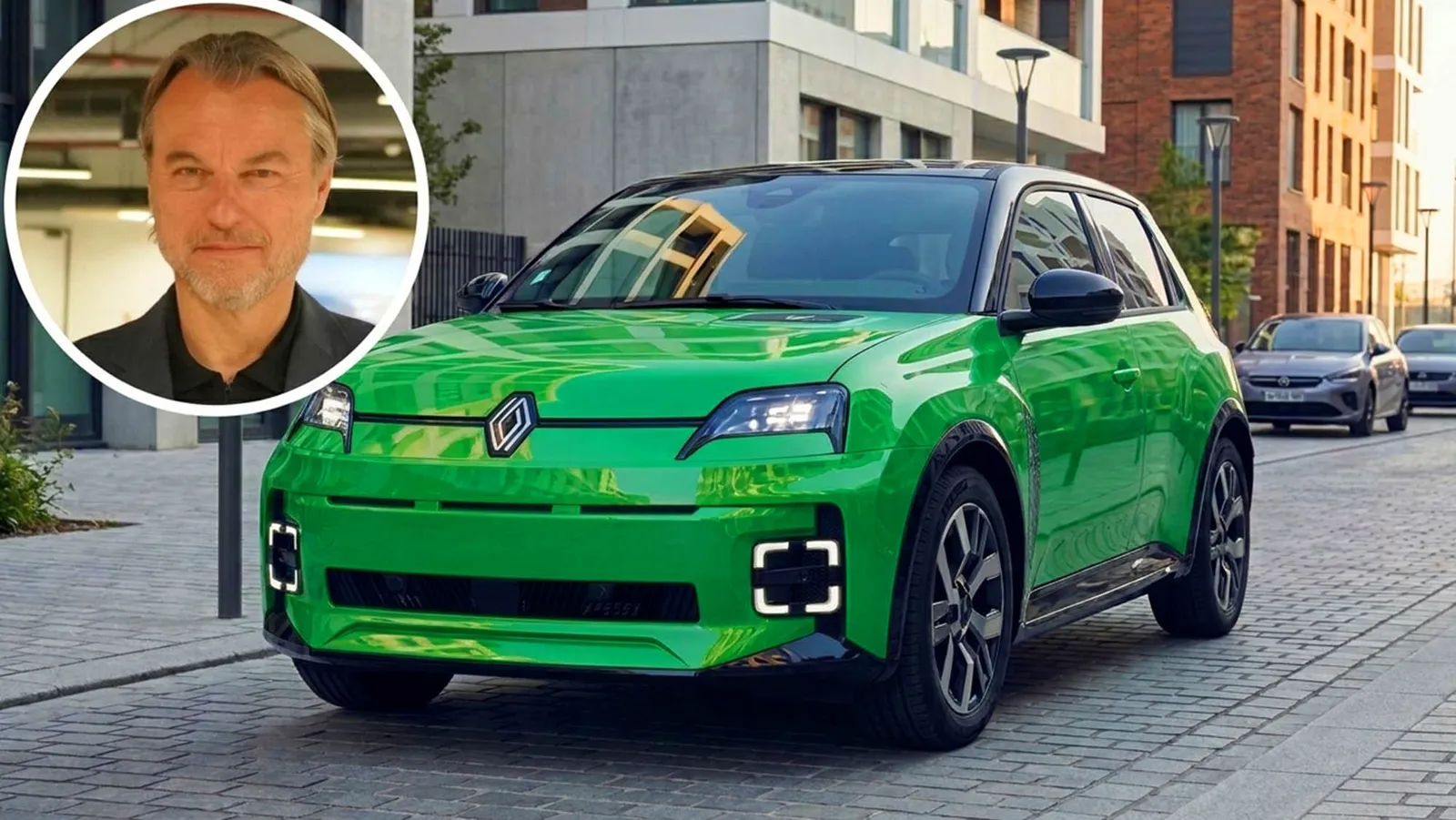
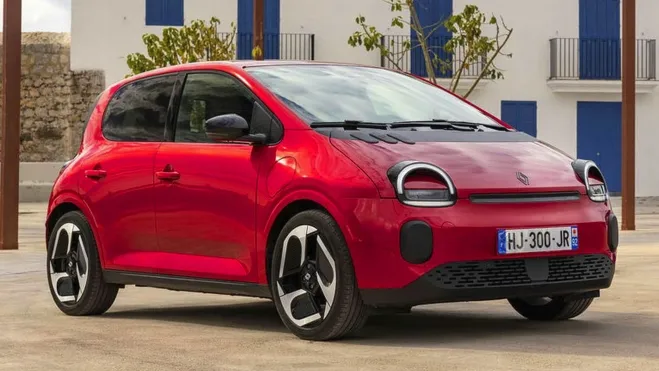
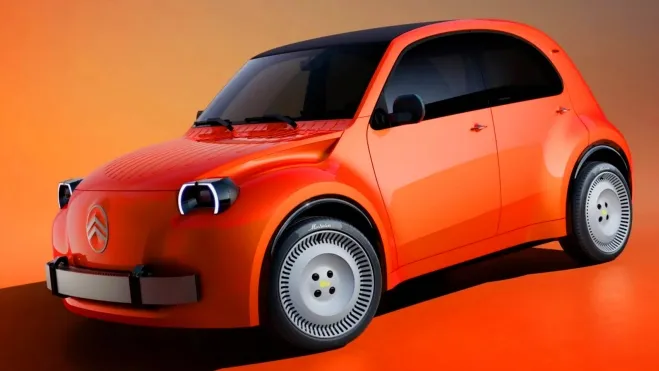
The return of classic designs has become one of the most recognizable trends in the new generation of electric cars. Renault has revived names such as the R5, R4, and Twingo, while other brands explore similar approaches to give personality to their models.
But the appeal of these vehicles isn’t solely due to nostalgia: behind their commercial success are strategic and technical reasons.
A distinct identity in the midst of the electric transition
For decades, manufacturers differentiated much of their product lineup through their engines, ranging from small four-cylinder propulsion units to large six- or eight-cylinder engines. With electrification, some of these differences lose their significance for consumers: electric motors, batteries, and technical platforms can share characteristics across models from different brands.
In this context, the design and history of each manufacturer gain added value. A model with a recognizable visual identity helps stand out in a market where range, charging power, equipment, and price have become key competitive factors.
Laurens van den Acker, design director at Renault Group, emphasizes the value of historical icons as a competitive advantage. European brands possess their own automotive heritage that their rivals cannot replicate in the same way.
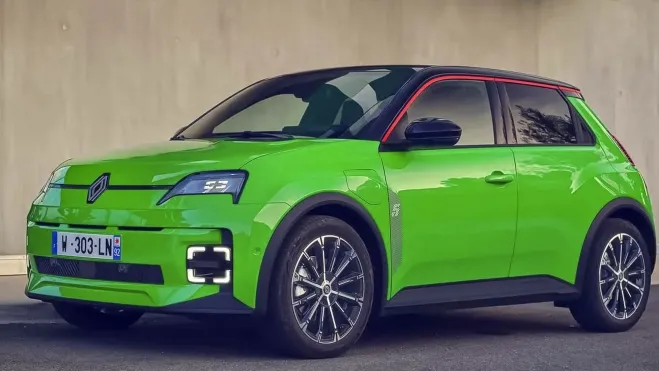
The Renault 5 is an example of this strategy. Its design draws on characteristic elements from the original model but adapts them to a contemporary body style, lighting systems, and finishes. The goal is to remain recognizable without becoming a mere copy of the past.
Nostalgia also reduces resistance to electric cars
The transition to electric vehicles involves significant changes in driving habits, refueling, trip planning, and the way people view cars. For some buyers, this transformation can create uncertainty.
A family-friendly design introduces a recognizable element amid these changes. Users encounter a silhouette they are familiar with, even though the vehicle features a battery, electric motor, and modern multimedia system.
This combination also appeals to different generations. Those who knew the original Renault 5 may be drawn to its aesthetic references, while younger buyers might appreciate its proportions, colors, and personality without needing an emotional connection to the historic model.
Therefore, the goal is not simply to sell souvenirs. It is about linking a familiar image with a modern driving experience.
The electric architecture enables the revival of classic proportions
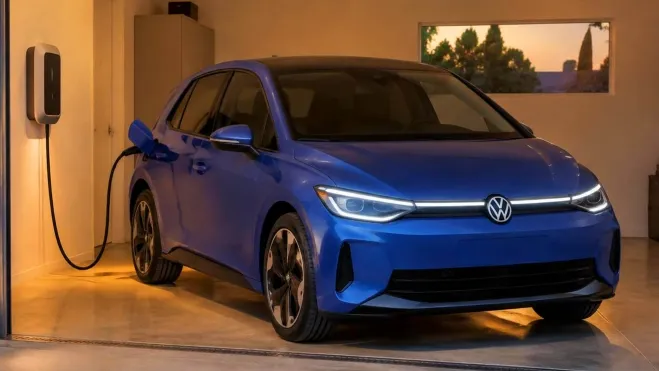
Electrification also offers design possibilities that help explain the comeback of retro cars. A compact electric motor requires less space than a conventional setup consisting of an internal combustion engine, transmission, and its auxiliary components.
This layout allows designers greater freedom in determining the placement of components and the proportions of the body. Depending on the chosen platform, it’s possible to combine a relatively long wheelbase with short overhangs and larger wheels, a configuration typical of many classic SUVs.
Van den Acker argues that a Renault 5 with the proportions of the current model would have been impractical with a combustion engine. The need to fit the mechanical components and meet modern safety standards would have required significant modifications to the front end.
The new electric Renault 5 E-Tech is 3.92 meters long with a wheelbase of 2.54 meters. These figures help illustrate how the format of a small SUV has been reinterpreted using a contemporary design approach.
That doesn’t mean electrification allows cars to simply revert to the dimensions of older models. Deformation zones, occupant protection, and battery integration still shape the design. Additionally, batteries placed under the floor can increase the vehicle’s overall height, a challenge designers must address visually.
From the Renault 5 to the return of other icons
The success of this approach doesn’t imply that all electric cars must look to the past. Manufacturers can draw on their historical heritage or opt for completely new designs, depending on the vehicle type and target audience.
Renault has made its classic models a visible part of its strategy. The R5 represents the return of a popular utility vehicle; the R4 revives the concept of a practical and versatile car, while the Twingo once again explores the realm of small urban cars.
In its 2025 results, the brand reported that the Renault 5 E-Tech had sold over 100,000 units since its launch and was the leading electric car in its B-segment in Europe. This is a significant commercial indicator, though it does not by itself prove that retro design is the sole reason for its popularity.
Autonomy, price, ease of use, the charging network, and total cost of ownership remain crucial factors when purchasing an electric car. An attractive design can make a model stand out, but it does not automatically compensate for any potential limitations in its technology or market positioning.
In short, retro electric cars benefit from a combination that is hard to replicate: a recognizable image, a unique history, and an architecture that allows for reinterpreting the proportions of classic models. Nostalgia attracts attention, but the real challenge is turning that interest into a modern, practical, and competitive product.