
For 104,500 euros and capable of carrying 2 passengers, China is already selling an electric ‘UFO’ that looks like it’s straight out of a movie
26/09/2026 13:00
Updated to
26/09/2026 13:00
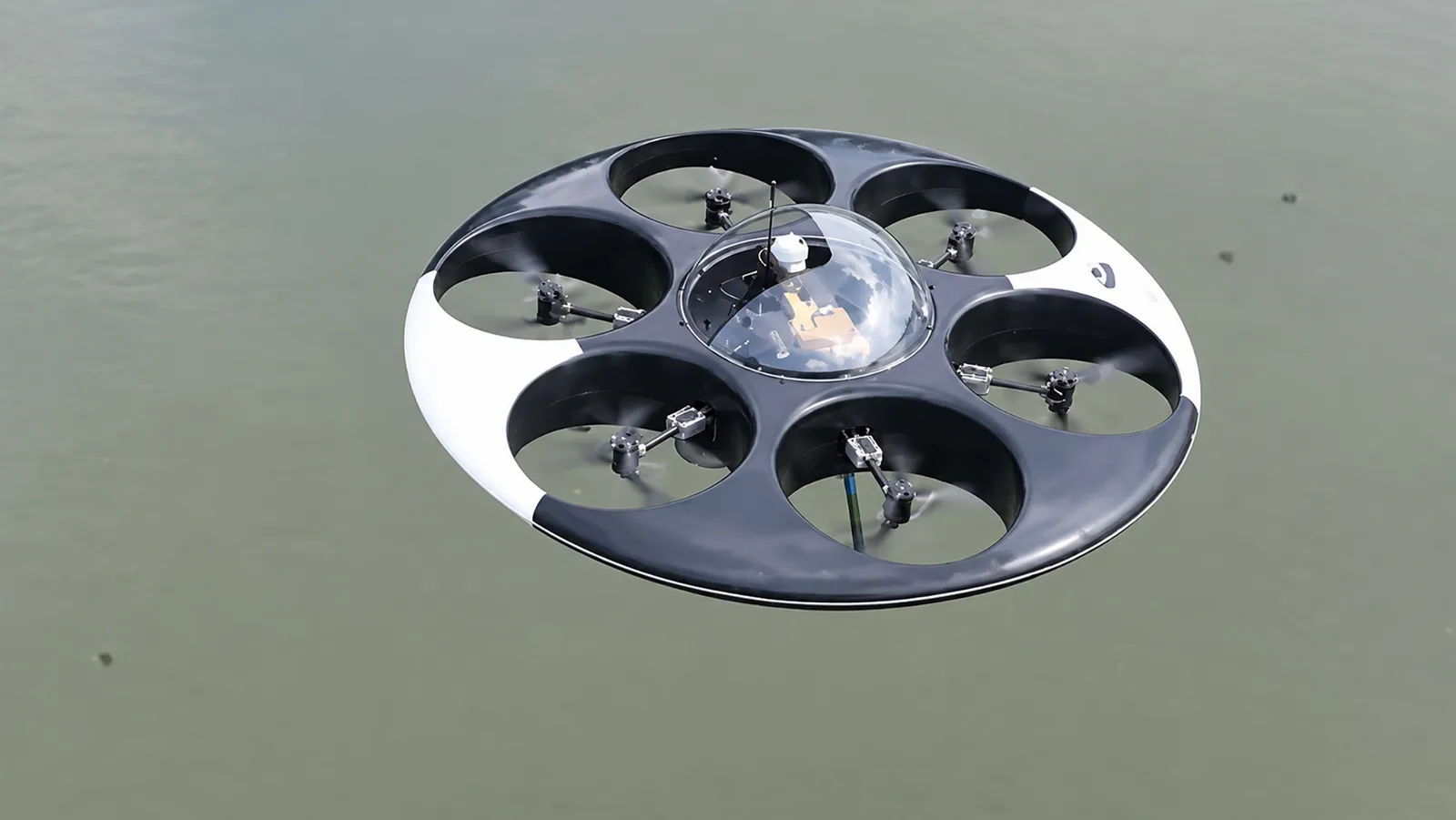
China has long been investing in flying cars and eVTOLs as a new form of transportation, but few proposals are as eye-catching as this one. Its appearance inevitably reminds people of UFOs in science fiction movies, although the vehicle shown in the images is completely real and actually already has a price tag.
This is an eVTOL developed by Shenzhen Zhihang UAV, currently on display at the Yiwu Global Digital Trade Center in China’s Zhejiang province. It is priced at 800,000 yuan, which is approximately 104,500 euros at current exchange rates, a price comparable to that of some luxury electric cars.
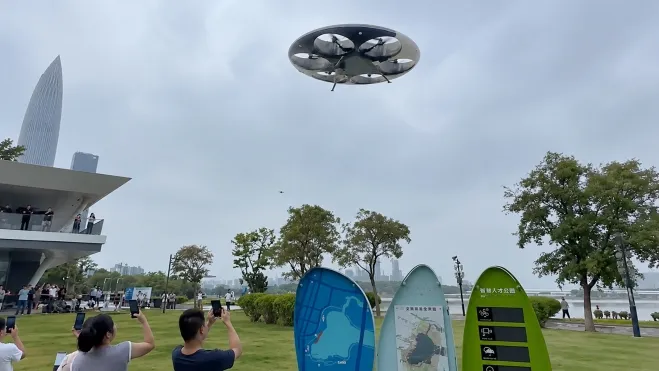
An electric 'UFO' capable of carrying two people
Although its design might suggest otherwise, it is technically an electric vertical takeoff and landing aircraft (eVTOL). Its disc-shaped structure surrounds a completely transparent spherical cabin that provides 360-degree visibility and has space for one or two occupants.
To build it, materials such as glass fiber, carbon fiber, aluminum alloy, and various aerospace-grade materials are used. What’s even more interesting is what lies hidden beneath that unique airframe. The device features 6 enclosed propellers surrounded by the aircraft’s own airframe, which are fully integrated into the structure rather than exposed as in many other eVTOLs currently being developed for commercial release. Thanks to this system, it can take off and land vertically without the need for a runway.
It also supports autonomous operation, and its capabilities aren’t limited to land, as the manufacturer claims it can take off and land on water. It boasts a wind resistance rating of level 5 as well. Don’t expect to travel very far on board, though—the announced range is only about 15 minutes, and its flight altitude is around 30 meters. These characteristics suggest its true purpose is merely to provide a visual spectacle. In fact, Shenzhen Zhihang UAV designed it primarily for low-altitude tourist flights, panoramic views of interesting locations, and aerial shows.
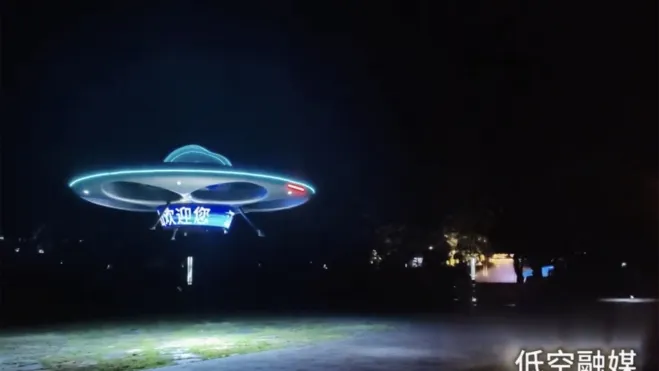
A order worth nearly 14 million euros has already been placed
The experimental prototype’s appearance might lead one to think it is merely a technological exercise, but the company has already succeeded in generating commercial interest. According to Chinese local media, the manufacturer signed a pre-order agreement last year with Qionghai Maritime Skydiving worth around 120 million yuan, approximately 14 million euros. The order is also quite substantial.
This agreement covers the purchase of 68 two-seater aircraft capable of flight and another 86 static units for display purposes. Thus, not all of the more than 150 units included in the contract are operational aircraft, as there is also a need for an exhibition site to view and test them from the ground.
There is also an important point regarding the possibility of seeing it transporting passengers. According to information published in China, this eVTOL holds a special permit for unmanned civil aircraft issued by the Civil Aviation Administration of China. This should not be confused with a certification that would allow it to be used freely as an air taxi to transport passengers in a conventional manner.
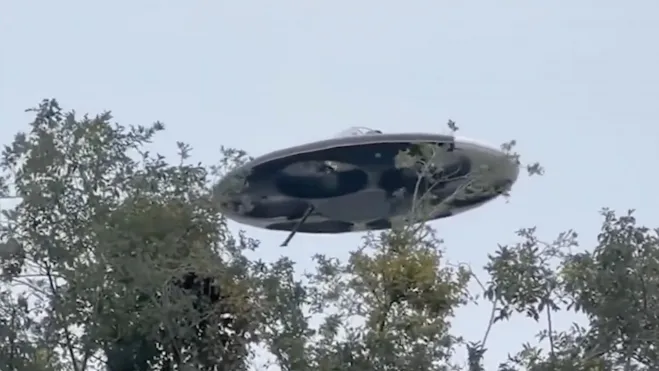
For now, there is no known intention to enter Europe
For now, its application seems to be more geared toward tourism and entertainment rather than replacing cars. Yet the fact that a Chinese company can already offer an electric aircraft for two passengers, capable of autonomous operation, vertical takeoff, and even flight over water, for just over 100,000 euros, is a clear indication of how far China has progressed in what it calls the “low-altitude economy.”
As expected, there is currently no confirmation or announcement of any kind regarding the arrival or commercialization of this vehicle in Europe. Here, however, there are numerous companies interested in developing eVTOLs for travel, such as between urban centers and airports. Nevertheless, this is still in the process of development and evolution. In fact, we have seen Spanish companies focusing on this type of vehicle for some time now.