
Poland wants to produce one million cars per year by 2035, with 90% of them being electric.
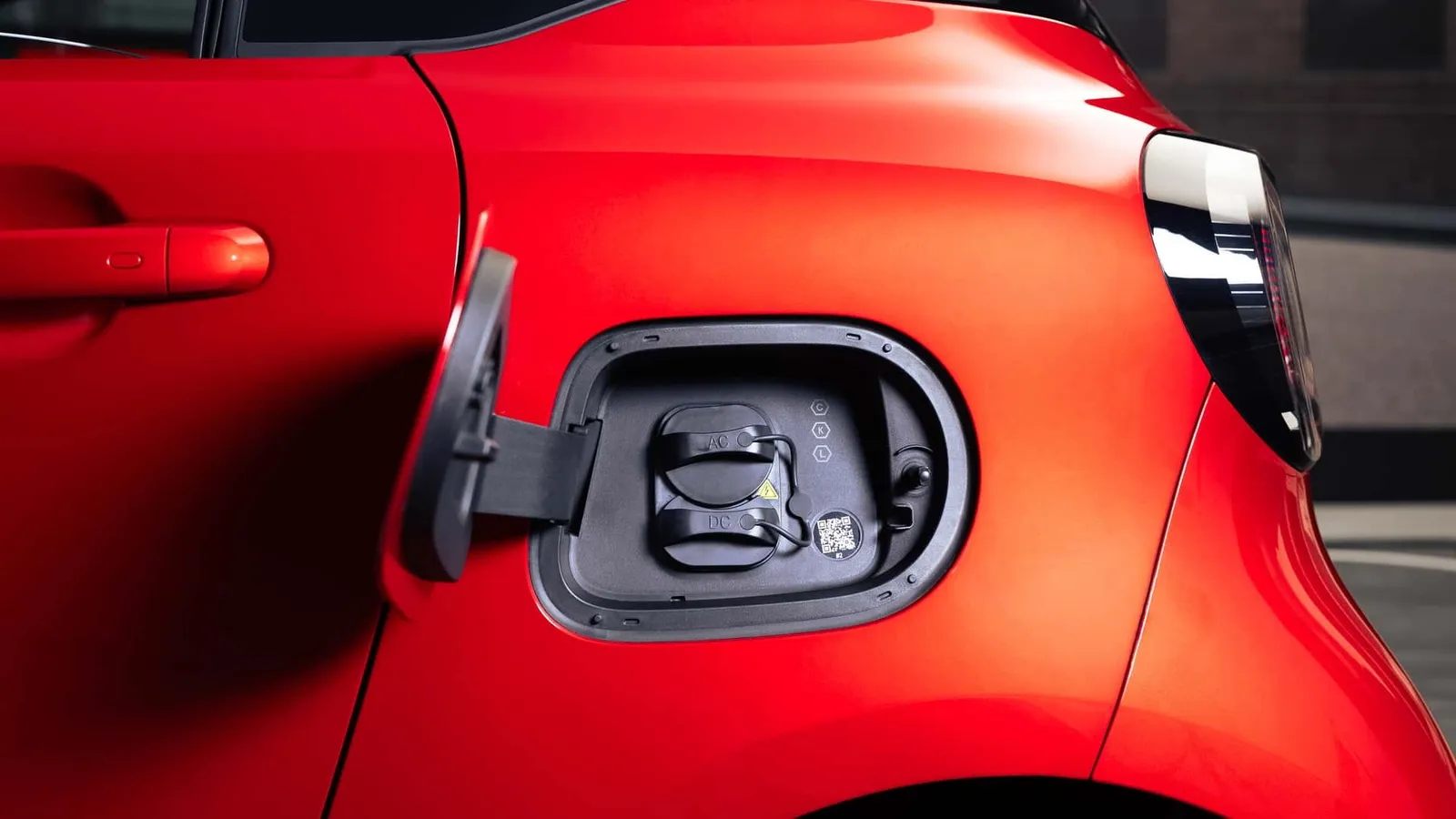
The MotoryzacjaPL coalition presented the KOMPAS 2035 plan, aimed at preserving car and parts manufacturing in Poland as the industry shifts to electric powertrains. The goal is one million vehicles per year, 300,000 jobs, and an industry export value of 150 billion złoty.
The automotive sector accounts for about 8% of Poland’s GDP today. Directly, 194,000 people work in vehicle and parts production, while another 1.3 million are employed in trade and servicing. The sector’s annual exports total 105 billion złoty. In 2024, over 611,000 vehicles left Polish factories, more than half of which were delivery trucks.
The issue is evident with passenger cars equipped with internal combustion engines. In the record year of 2008, we produced 840,000 such cars, but by 2025 only 101,000 were made. This represents a 53% decline in just one year and the lowest figure since the early 1970s.
Poland loses its cost advantage as China takes over electric vehicles
Polish factories have for years had an advantage due to lower labor costs and a robust network of suppliers. However, the cost per working hour was 11 euros in 2020 and over 17 euros in 2024. Meanwhile, China produces 32 million cars annually, controlling 60% of global electric vehicle production and 80% of battery production. According to data cited in KOMPAS 2035, Chinese cars are on average about 30% cheaper than European ones.
The suppliers of components are most at risk. In Poland, they provide 142,000 jobs and generate exports worth 76 billion zlotys, but a significant portion of their business still relies on internal combustion engines. CLEPA estimates that by 2030, up to 350,000 jobs across the EU’s supplier industry could be threatened.
"If we don’t build these advantages now, in ten years we won’t be talking about industry development but rather about closing factories," says Maciej Mazur from the Polish Association for New Mobility. Poland’s industry currently spends 2.6 billion zł annually on research and development, while the global number of electricians is expected to rise from just under 7 million in 2020 to 440 million by 2035.
Factories need models, and the market needs buyers
KOMPAS 2035 assumes that in nine years, 90% of the million vehicles produced in Poland will be electric. Battery factory capacity is expected to reach 150 GWh, added value per worker will double, and the automotive sector’s share of GDP is set to reach 10%. At least three-quarters of the country’s operating car factories should receive new models or technological projects after 2030.
The plan also includes 1.8 million electric vehicles on Polish roads and 150,000 charging stations. The authors propose adopting a government strategy, supporting domestic suppliers, advancing battery, recycling, electronics, software, and charger development, as well as shifting some companies to the railway, energy, defense, and dual-use manufacturing sectors. Cheaper energy, new skills for workers, and changes in vocational and technical education are also needed.
This brings up a second issue. In September 2026, electric vehicles accounted for only 6.1% of new registrations in Poland, and after the NaszEauto program ended, their sales dropped by nearly 22% year on year. The plan therefore proposes social leasing with monthly payments in hundreds of zlotys, tax incentives for fleets, 15,000 chargers in cities, and easier installation of charging points in apartment buildings. The share of electric vehicles is expected to rise to 17% by 2028 and 22% by 2029.
KOMPAS 2035 is an industry proposal, not a government-approved strategy. The next test will thus not be another forecast but rather government decisions and concrete projects for Polish factories, especially in Silesia.
LovEV Newsletter
Want more content like this?
Sign up — we’ll send you a weekly summary once the newsletter starts.