
Polestar and researchers study the human driving experience
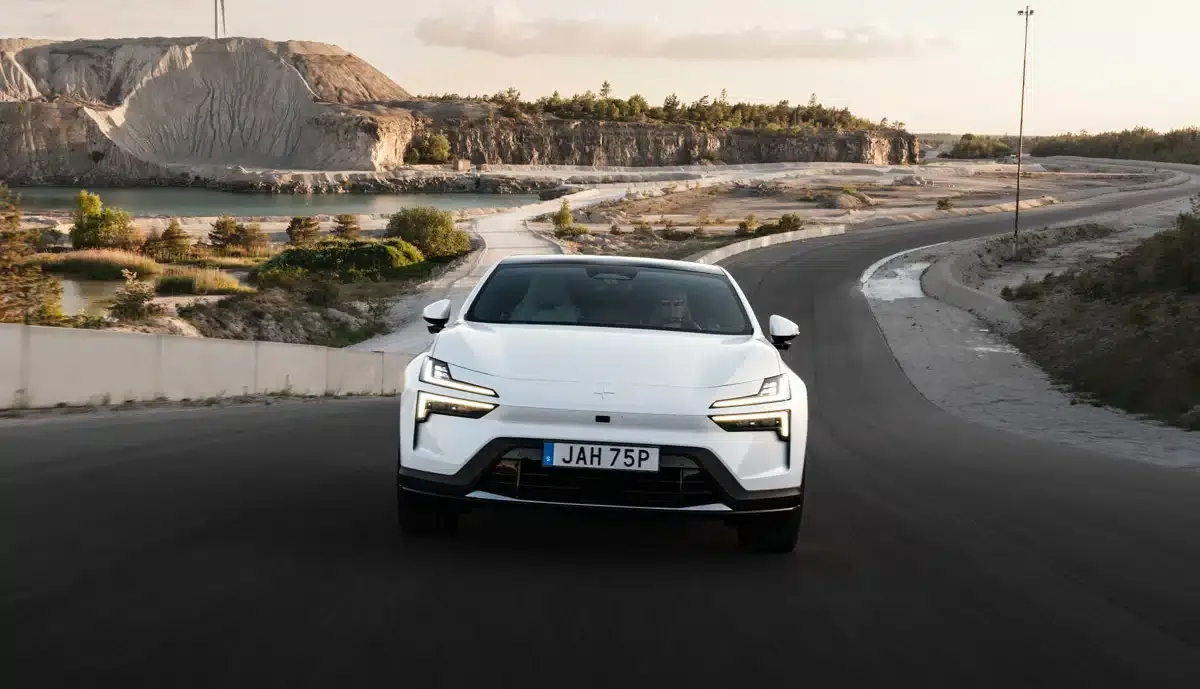
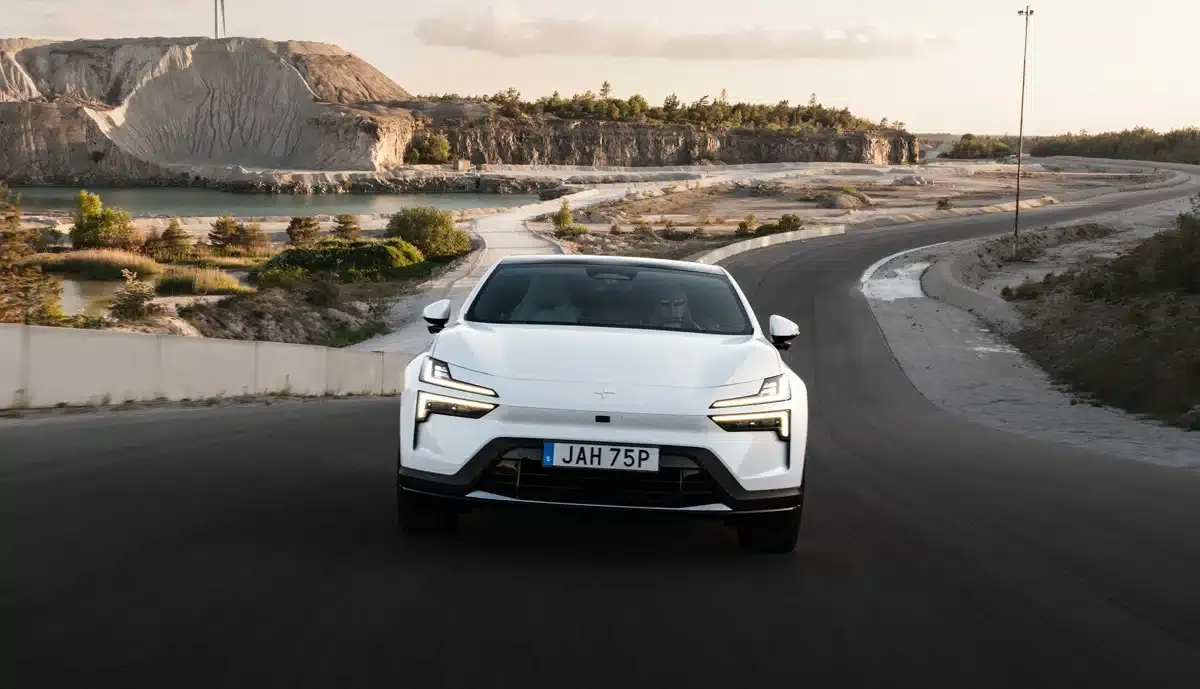
Image: Polestar
Researchers from the SDG Impact Lab at the University of Oxford have developed a pilot study in collaboration with the Chinese-Swedish electric vehicle manufacturer Polestar to examine the relationship between vehicle performance and the human driving experience. Twelve test drivers completed drives on Sweden’s Gotland Ring race track under both calm and dynamic conditions.
The Polestar 4 Rear Motor and the Polestar 4 Dual Motor with Performance Package were used. The researchers combined vehicle telemetry, heart rate measurements, eye-tracking, psychological assessments, and interviews. During dynamic driving, the testers observed a reduced blinking rate, dilated pupils, and longer gaze durations, indicating heightened attention and concentration. They were also able to correlate changes in physiological activation with vehicle telemetry data.
In comparable fast laps, the Polestar 4 Dual Motor with 400 kW (544 HP) achieved 32 percent higher top acceleration compared to the Rear Motor variant with 200 kW (272 HP), while requiring 15 percent less steering effort. Higher lateral acceleration forces and more frequent intense acceleration events were also measured, even though the lap times remained almost identical.
The subjective evaluations confirmed differences between the vehicle variants. In terms of performance and driving dynamics, the dual-motor variant scored 89.2 out of 100 points compared to 67.7 points, while for the overall driving experience it scored 93.0 compared to 77.9 points. The majority of participants rated the performance variant higher in both categories. In interviews, drivers described the combination of physical intensity, confidence, control, and concentration as crucial for the performance experience.
You are currently viewing placeholder content from YouTube. To access the actual content, click the “Unlock content” button. Please note that data will be transmitted to third parties in this process.
More information
“Electric cars are redefining what performance can achieve. That’s why we wanted to better understand something that cannot be measured solely by technical data: the human driving experience behind the wheel,” said Christian Samson from Polestar. “Working with the University of Oxford allows us to view performance from a new perspective and link the technical development of our vehicles with people’s actual driving experiences.”
"Performance isn't just about driving faster," says Max Klapow, a Ph.D. candidate at the Oxford SDG Impact Lab. "What matters most is giving drivers a sense of safety and control through predictable vehicle responses. Our research is a first step toward making this human driving experience measurable by linking the vehicle's performance to the reactions of people behind the wheel."
Also interesting
About the author
Thomas Langenbucher is an expert in electromobility with experience in the automotive and financial industries. Since 2011, he has been covering electric vehicles, sustainable technologies, and mobility solutions for ecomento.de. Learn more.
Reader interactions