
Polestar 4: the SUV version is here. More space without sacrificing electric power.
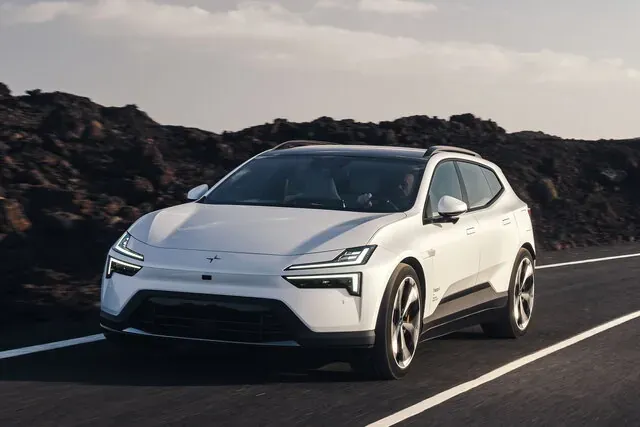
Polestar expands its lineup with the new 4 SUV, a more practical variant of the electric fastback without a rear windshield. It retains the same technical foundation as the existing Polestar 4: up to 544 horsepower, a range of 630 km, and fast charging at 200 kW. Orders will begin in November with prices starting at 55,900 euros.
Coupe design but more practical body style
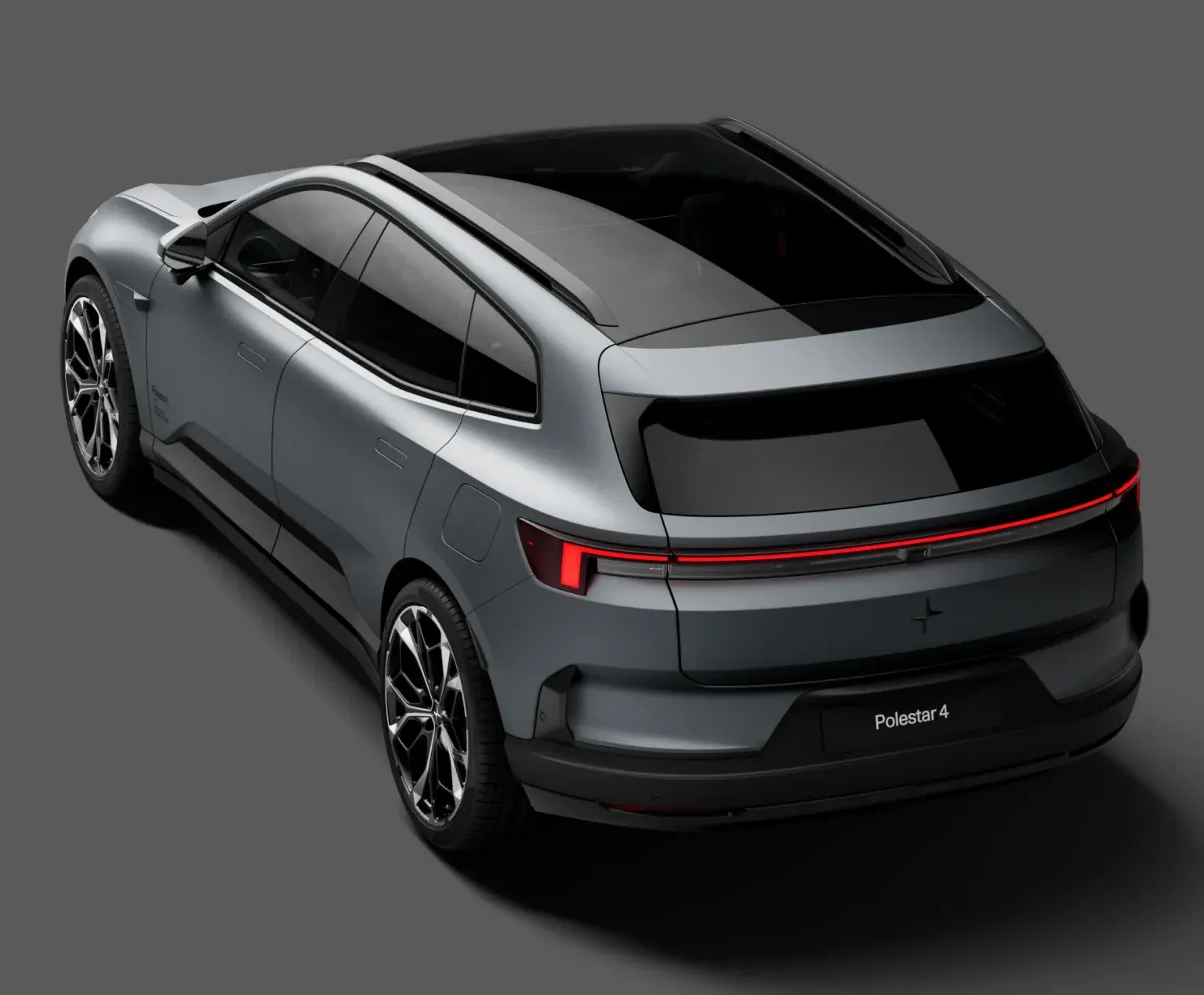
The Polestar 4 entered the market with a rather radical approach: no traditional rear windshield, replaced by a camera and an interior screen. Now, as announced, the new 4 SUV version arrives, keeping most of the original model’s styling while making changes mainly to the rear design.
The roof is less sloped toward the rear, the C-pillar is wider, and the profile of the rear windows has been redesigned. Most notably, a rear window appears along with a tailgate that makes it easier to use the cargo space.
The vehicle remains quite low for an SUV: it is 4.84 meters long and about 1.55 meters tall, just two centimeters taller than the 4 Coupé. The longitudinal roof rails are standard and help create a smoother transition to the new body style.
The real improvement is in the trunk
This transformation mainly serves a practical purpose: to have a sports electric vehicle without sacrificing too much daily versatility.
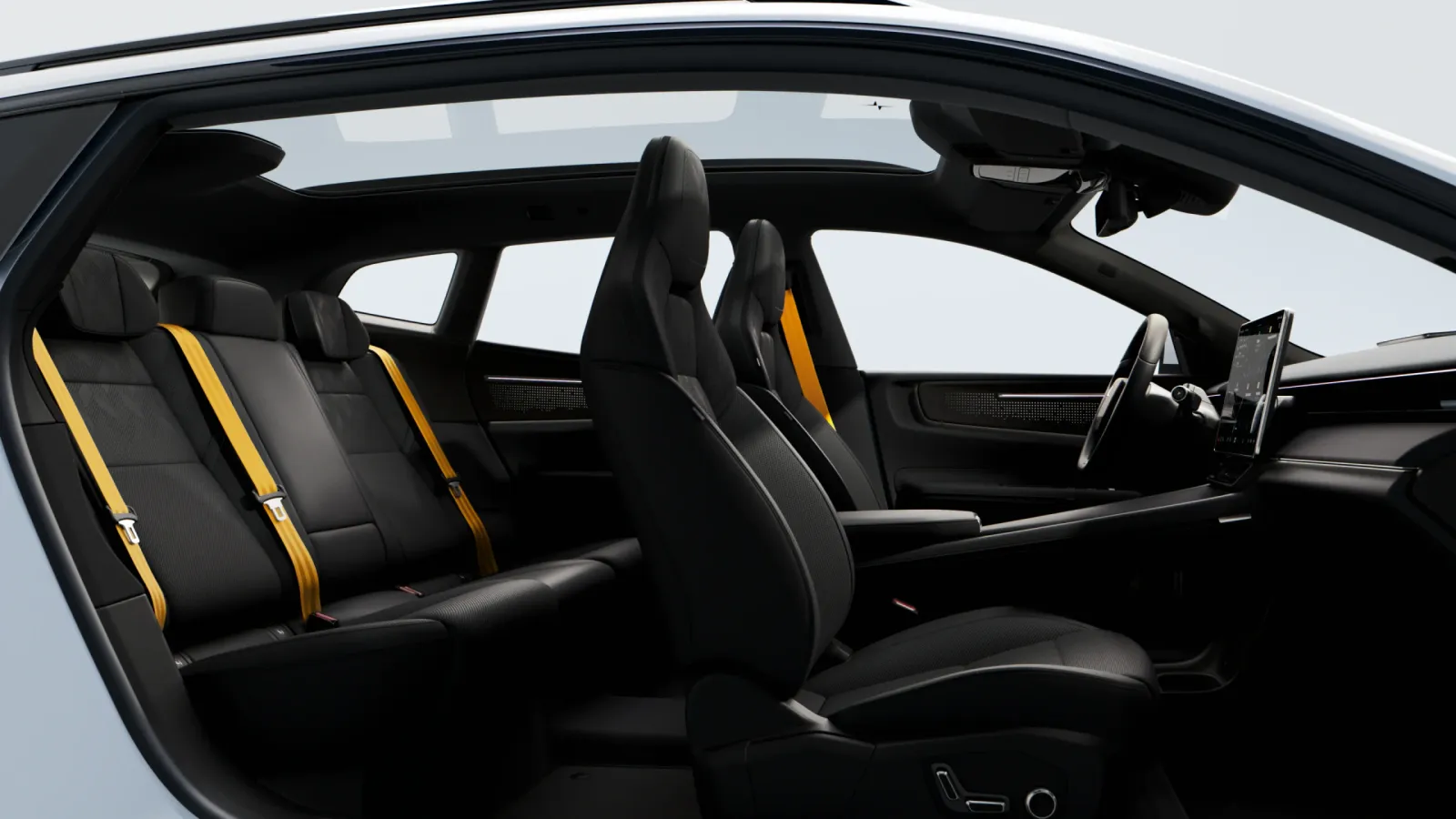
The Polestar 4 SUV offers approximately 530 liters of cargo space up to the rear seats, which increases to over 1,600 liters when the second row is folded down, depending on the measurement method used. In addition, there is a 15-liter frunk in the front. The new configuration also allows for better utilization of the cabin height and a loading area more suitable for bulky items.
There are also benefits for passengers: the different roof design increases the headroom available. The large panoramic glass roof further contributes to a sense of space inside the cabin.
100 kWh battery and two powertrains
Under the hood, there are no major changes. The 4 SUV uses Geely Group’s SEA platform and a 100 kWh battery.
The rear-engine version is equipped with a 200 kW (272 HP) and 343 Nm engine, offering a claimed range of up to 630 km under WLTP standards. The Dual Motor variant adds a second engine and all-wheel drive, delivering 400 kW (544 HP) and 686 Nm of torque. In this case, the range drops to 600 km, while the 0-100 km/h acceleration time is 3.9 seconds.
Fast charging up to 200 kW. V2L functionality is available.
DC fast charging reaches 200 kW, allowing the battery to go from 10% to 80% in approximately 30 minutes at HPC chargers.
The inclusion of Vehicle-to-Load (V2L) is interesting. Through a dedicated adapter, the battery can supply up to 3.3 kW to power external devices, tools, or small gadgets. This turns it into a portable power source.
More digital features and “camping” mode
The Polestar 4 SUV also introduces “Camping Mode,” designed for extended stops. Through a future software update, the car will be able to keep the climate control, lighting, outlets, and entertainment systems active while parked.
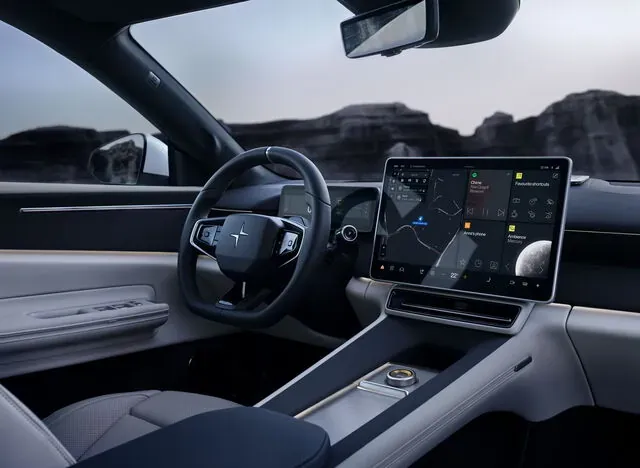
It also changes the dashboard interface. The steering wheel gives up touch controls in favor of physical buttons, while the infotainment system gets new shortcuts. Google Gemini is also set to arrive in the built-in Google ecosystem, offering voice functions and assistance with managing travel information.
Prices starting at 55,900 euros
The Polestar 4 SUV will start at 55,900 euros in the Rear Motor version, while the Dual Motor version will have an initial price of 62,900 euros. Orders are expected to begin in November with first deliveries by the end of the year.
In the Italian market, it will be interesting to understand the relationship between price, features, and actual availability, especially in a segment where competition from premium electric SUVs is already fierce.
READ ALSO: “Test drive the Geely EX5, the SUV at 35,900 euros” and watch the VIDEO
Previous Article
Estonia shifts to electric ferries: 4 charging stations with 5 MW capacity in the port
Next Article
Xiaomi enters Europe in 2027: first deal with eight German dealers