
There is little discussion about electric motorcycles nearly doubling their sales in Spain in September.
02/10/2026 12:00
Updated to
02/10/2026 12:00
In September, electric motorcycles in Spain recorded one of their best recent performances: 689 registrations, an 86.2% increase from the same month in 2025. This figure stands out within a two-wheeler market that is also growing strongly, but it also reveals an interesting disparity within the electric vehicle segment itself. While zero-emission motorcycles are advancing and have already seen 5,428 units registered in 2026, electric mopeds are showing much slower growth. Thus, electrification in the two-wheeler sector is beginning to exhibit clearly different paces.
This trend is particularly interesting because for years, much of the electrification in two-wheeled vehicles had been associated with urban mopeds, where small batteries, short distances traveled, and limited speeds seemed more suited to electric technology. Recent data suggest that this situation may be changing.
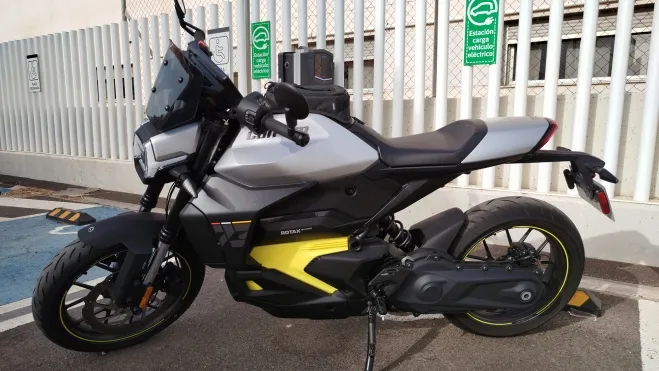
689 electric motorcycles in one month
According to AEDIVE and GANVAM, 689 electric motorcycles were registered in September, up from a much lower figure a year earlier. The year-on-year growth rate reaches 86.2%.
The cumulative figure provides a less dramatic but still positive picture. From January to September, 5,428 electric motorcycles were registered, 14% more than during the same period in 2025. This does not yet represent a massive transformation of Spain’s motorcycle market, but it confirms that the September growth did not occur in a completely stagnant segment.
Furthermore, this development comes at a time when the overall motorcycle and light vehicle market is experiencing favorable conditions. ANESDOR recorded 30,696 registrations of L-category vehicles in September, a 21.9% increase year-on-year.
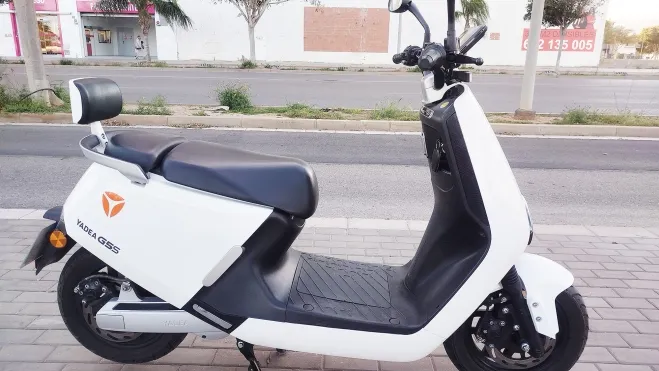
The electric moped has a different story
The comparison with mopeds is particularly revealing. In September, 168 electric mopeds were registered, a 9.1% increase. However, from January to September, only 1,385 units were recorded, representing a 12.9% decline.
In other words, both electric categories showed growth in September, but only motorcycles managed to maintain positive growth throughout the year. This does not mean the market has completely abandoned electric mopeds. Factors such as fleets, sharing services, available supply, or corporate renewals can cause significant fluctuations in relatively small segments. But it does indicate that electric motorcycles are beginning to find buyers beyond the most basic urban use cases.
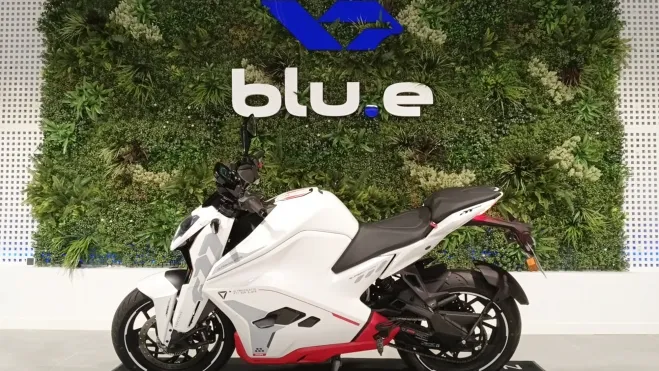
Electrification is also accelerating on two wheels
The overall context helps explain why this is happening. Registrations of 100% electric vehicles across all categories rose by 66.6% in September, reaching 19,842 units. Electric sedans saw a 72.3% increase, while motorcycles even surpassed this rate with an 86.2% growth.
The two-wheeler market remains largely dominated by internal combustion engines, but September’s data shows an interesting trend: the growth of electric vehicles in Spain is no longer limited to cars.
The real test will come in the coming months. If electric motorcycles maintain positive growth once the impact of an especially strong month fades, 2026 could mark a significant shift for a segment that has so far progressed much more slowly than electric cars.
You can read some of the recent tests we’ve conducted on electric motorcycles to understand their true potential.
