
Tires: Why quality and professional installation are essential
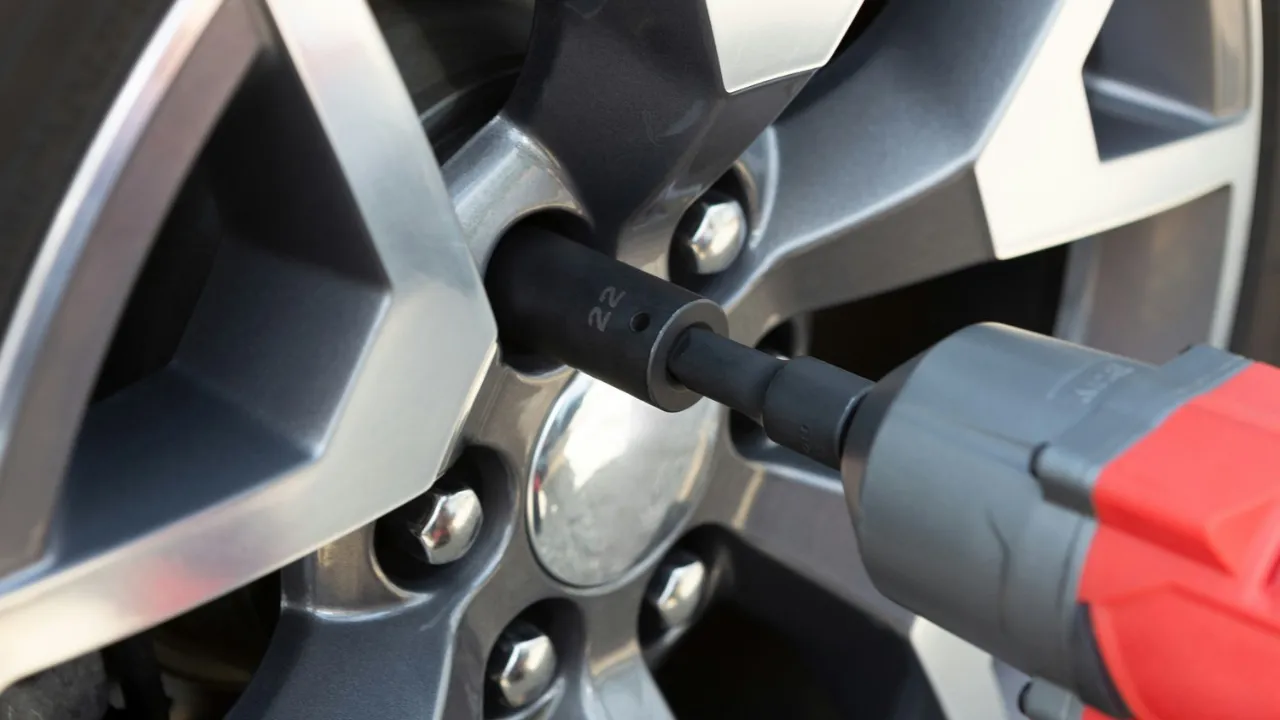
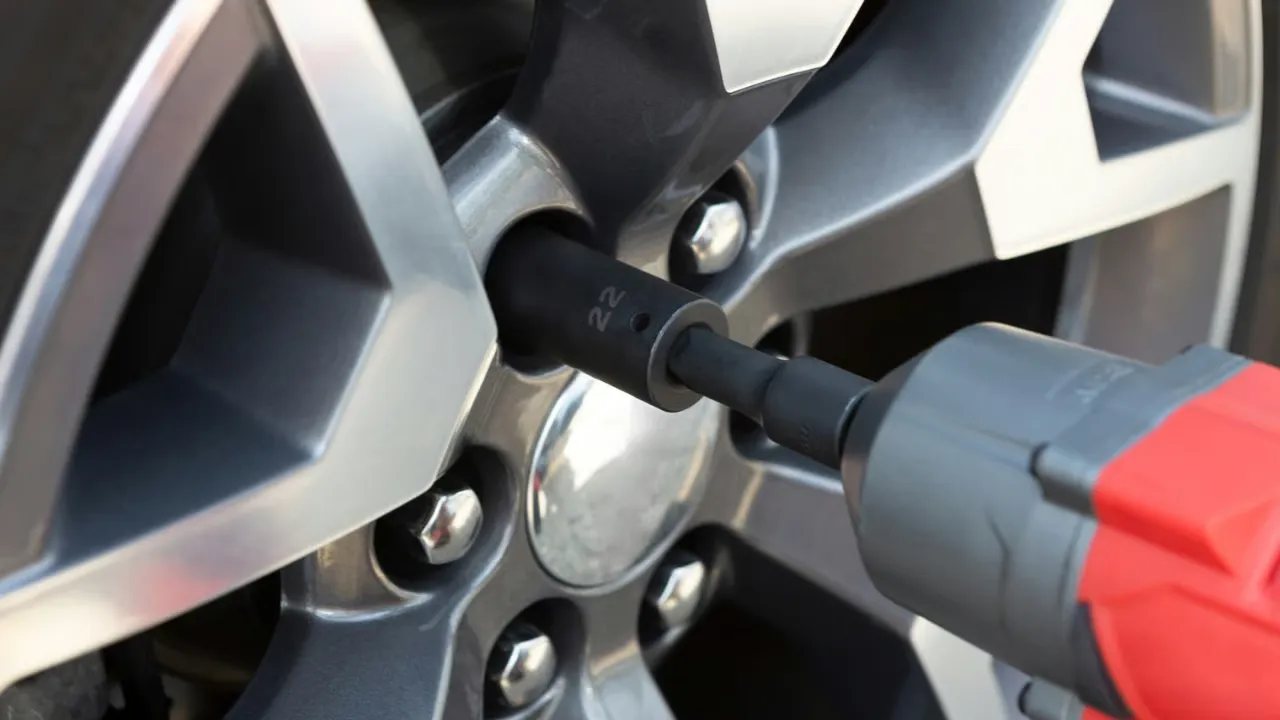
The tire is the only point of contact between the vehicle and the road. It plays a crucial role in the vehicle’s performance during acceleration, braking, and turning.
Choosing tires suitable for your driving needs and having them installed by a professional contributes to improved driving safety and comfort.
What distinguishes a quality tire
Not all models have the same features. The choice depends on several criteria. In tire manufacturing, manufacturers seek a balance between wet road traction, rolling resistance, and durability. These performance aspects are specifically listed on the European tire labeling.
Replacing a worn tire with a high-quality one offers several advantages:
increased safety: in rainy conditions, a tire with worn tread may have poor traction, which can increase braking distances. Well-maintained tires are essential, especially during emergency braking;
Controlled consumption: rolling resistance affects the amount of energy needed to move the vehicle. In electric or rechargeable hybrid cars, this factor can impact range;
Better comfort: in electric vehicles, the absence of engine noise makes noises from the tires more noticeable. Some tire models feature acoustic foam that helps reduce rolling noise.
Summer, winter, or all seasons: which tire to choose?
The choice of tire depends mainly on the climate of the region and the conditions under which the vehicle is used:
Summer tires: they provide good handling precision when temperatures are mild or hot, on both dry and wet roads;
Winter tires: their rubber remains more flexible as temperatures drop. Their tread patterns are designed to improve traction and handling on snowy or icy roads;
All-season tires: they offer a compromise for milder winters. Models labeled 3PMSF (Three-Peak Mountain Snowflake) are recognized as winter tires in areas governed by the Mountain Law.
Identifying signs of wear
Regulations specify a minimum depth for the tread pattern on the road surface. If the wear indicator in the grooves reaches the level of the road surface, the tire must be replaced. It is advisable to monitor its condition before this point, as traction and water drainage may already start to decline with wear.
Regular visual inspections help identify several abnormalities:
asymmetric wear: more noticeable wear on the inside or outside of the tread band may indicate a problem with geometry or alignment;
a bulge or swelling on the side: this could be a sign of internal structural damage after an impact. The vehicle should not be driven in such condition;
cracks: these may appear as the rubber ages and require inspection by a professional.
Tire pressure is another factor to monitor. Underinflated tires wear out faster, reduce handling performance, and increase fuel consumption. It is recommended to check the pressure cold every month according to the manufacturer’s guidelines.
During a regular inspection or self-check, have a professional inspect your tires and wheels.
The benefits of professional installation
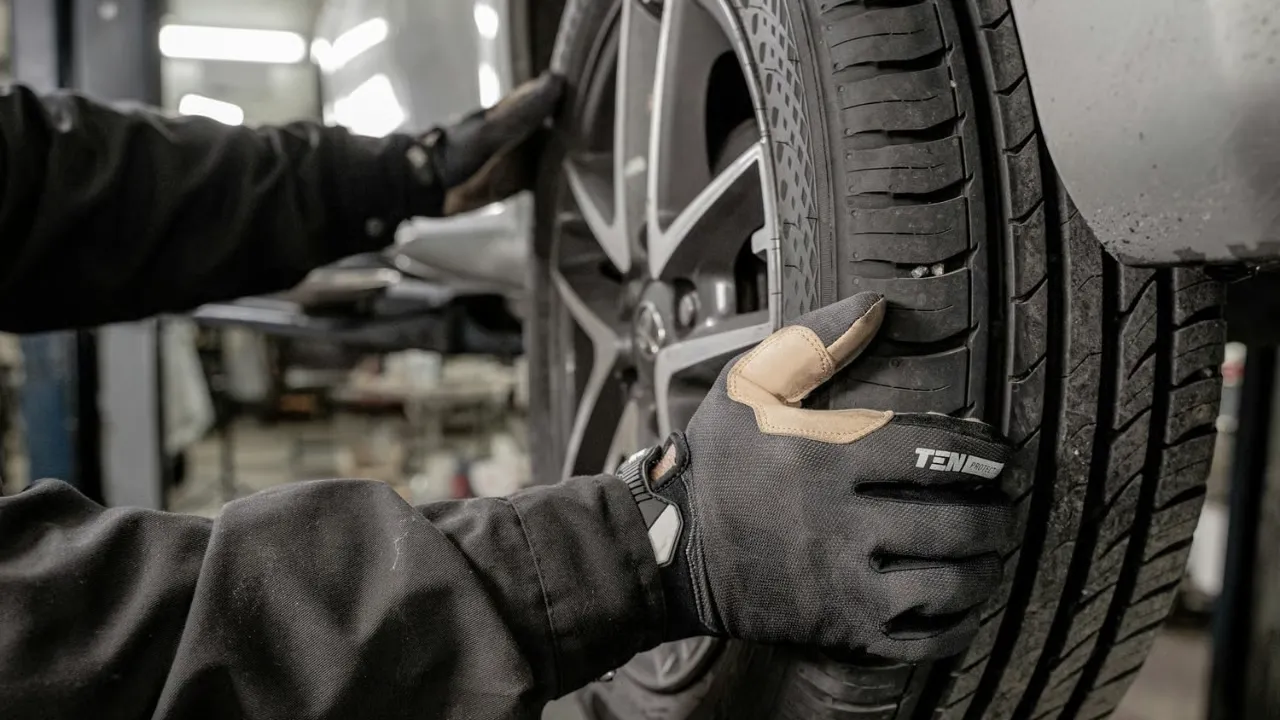
Replacing a tire is not simply about swapping out a wheel. This task requires specialized equipment and multiple checks, especially for vehicles equipped with large-diameter rims or a tire pressure monitoring system (TPMS).
Using a specialized workshop offers several advantages:
A mounting process that follows the manufacturer’s recommendations: the professional checks the condition of the valves, installs asymmetric or directional tires as appropriate, and tightens the wheels to the recommended torque.
An accurate balancing process: this step helps reduce vibrations felt in the steering system and cabin. Poor balancing can also accelerate wear on certain mechanical components.
A geometry check: in electric vehicles, the vehicle’s weight and engine torque may place additional stress on certain parts of the suspension. Checking for parallelism can be useful in cases of uneven wear or after a collision.
Management of worn tires: their collection and disposal follow a dedicated process, including recycling and reuse initiatives.