
More kilometers, fewer stops: what changed this summer for electric car drivers
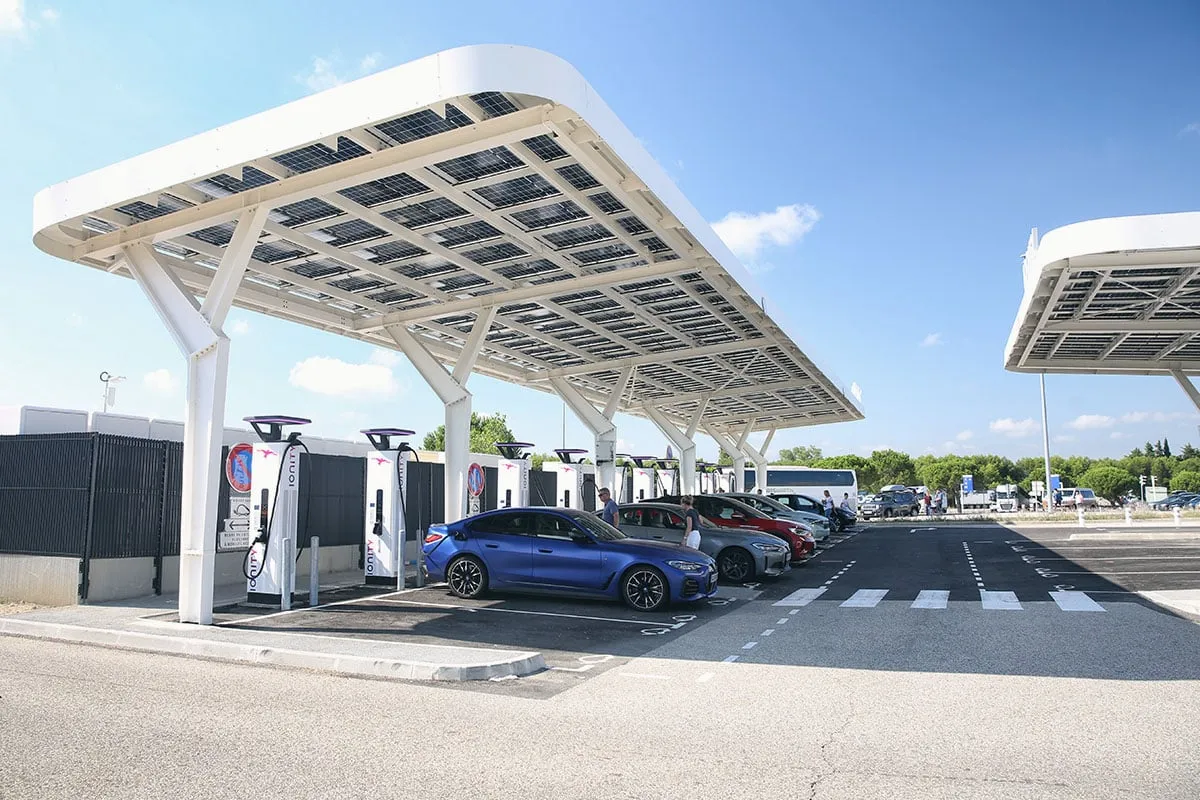
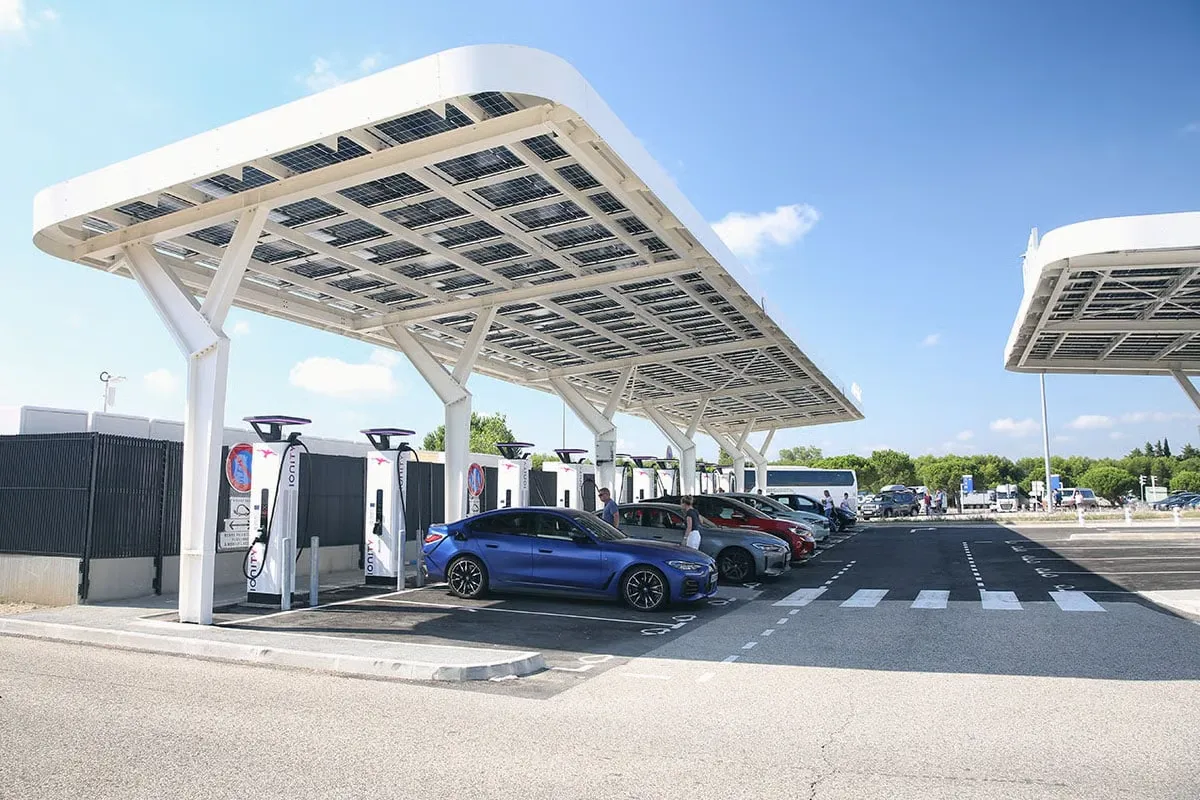
Long trips by electric vehicle seem to be becoming more common. This summer, Chargemap users planned average trips of 416 km, up from 375 km in 2021. At the same time, the average number of planned charging stops decreased.
Traveling long distances in an electric vehicle no longer necessarily means making many stops. This is one of the key findings from the summer report published by Chargemap (part of the same group as Automobile Propre) on the occasion of the European Mobility Week. Data collected between July 1 and August 31, 2026, show that users are planning increasingly long trips while requiring fewer charging stops than five years ago.
Average of 416 km for trips planned this summer
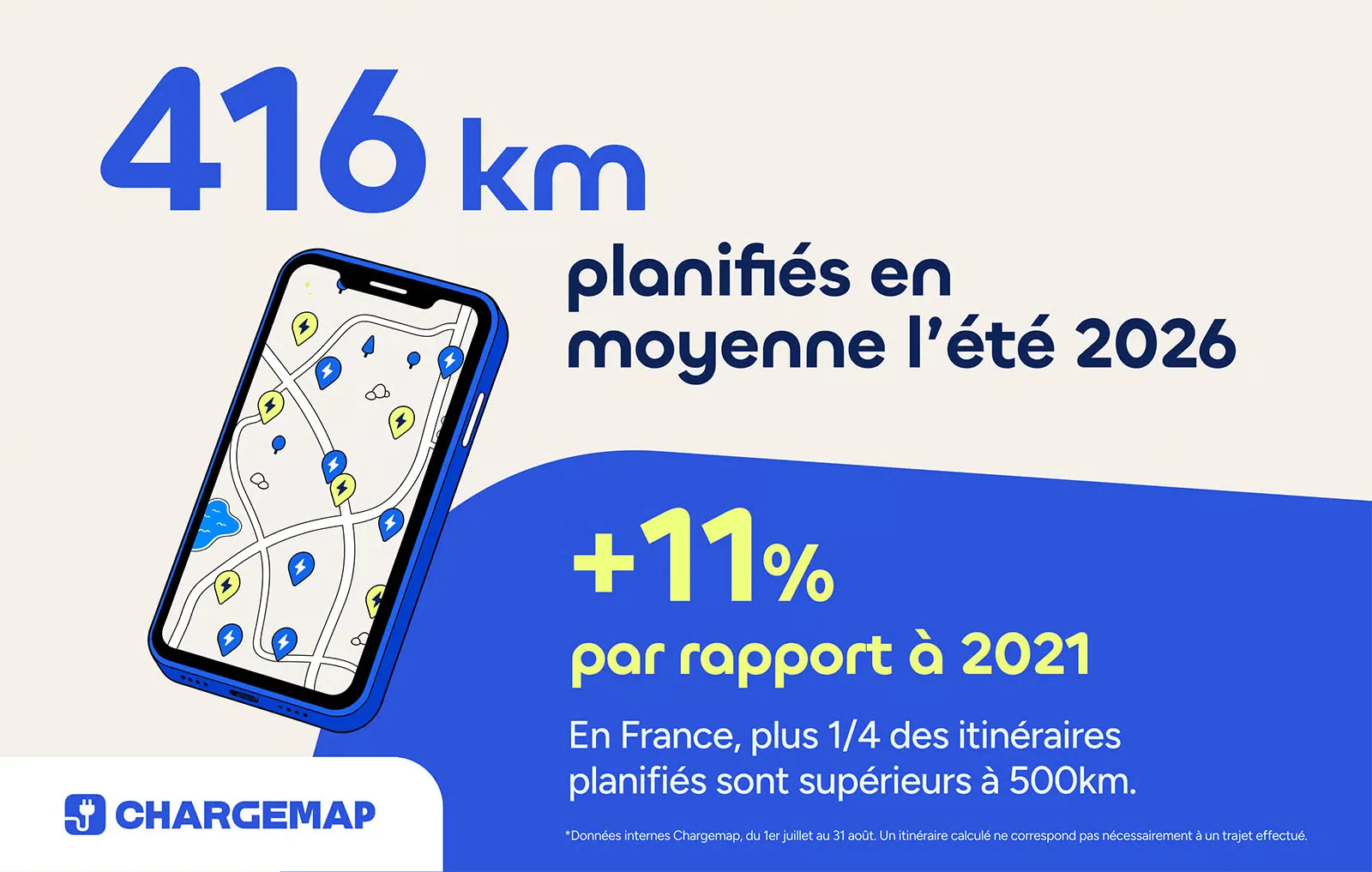
During July and August 2026, over 1.8 million routes were calculated using Chargemap, whose planner was thoroughly revised this summer. The average distance for these routes is now 416 km. In 2021, it was still 375 km. Thus, in five years, the average distance of trips planned through the app has increased by about 11%.
This trend is particularly evident in France. This summer, 28.2% of the routes calculated in France exceeded 500 km. In other words, more than one out of four planned trips was at least 500 km long.
Also read
Charging electric cars: Electra updates its app to “replicate the Tesla experience”
As planned distances increase, the average number of recommended charging stops decreases. According to Chargemap data, this figure stands at 1.88 stops per route in 2026, down from slightly over two stops on average in 2021.
Drivers are therefore planning longer trips without an increase in the number of suggested stops by route planners. This trend may reflect progress made over recent years in vehicle range as well as in fast charging, which has become commonplace in highway service areas.
In the end, this summer review confirms that the issue of long-distance driving with electric cars has indeed seen significant progress. For a growing number of electric vehicle owners, it is no longer just about determining whether it’s possible to travel several hundred kilometers, but rather about figuring out how to do so with as few stops, delays, and costs as possible.
Chargemap charging sessions surge by 54.2%
This improvement applies not only to trips planned using Chargemap’s planner. Actual use of the charging service also increased substantially over the summer.
Between July and August 2026, the number of charging sessions completed via Chargemap increased by 54.2% compared to the same period in 2025. The week from August 10 to 16 saw the peak of summer, during the peak travel season related to holidays. Chargemap attributes this increase to several combined factors: the overall growth of electric mobility, the expansion of its user base, and the widening coverage of its service.