
The passenger car market grows in July 2026, with electric vehicles experiencing significant growth
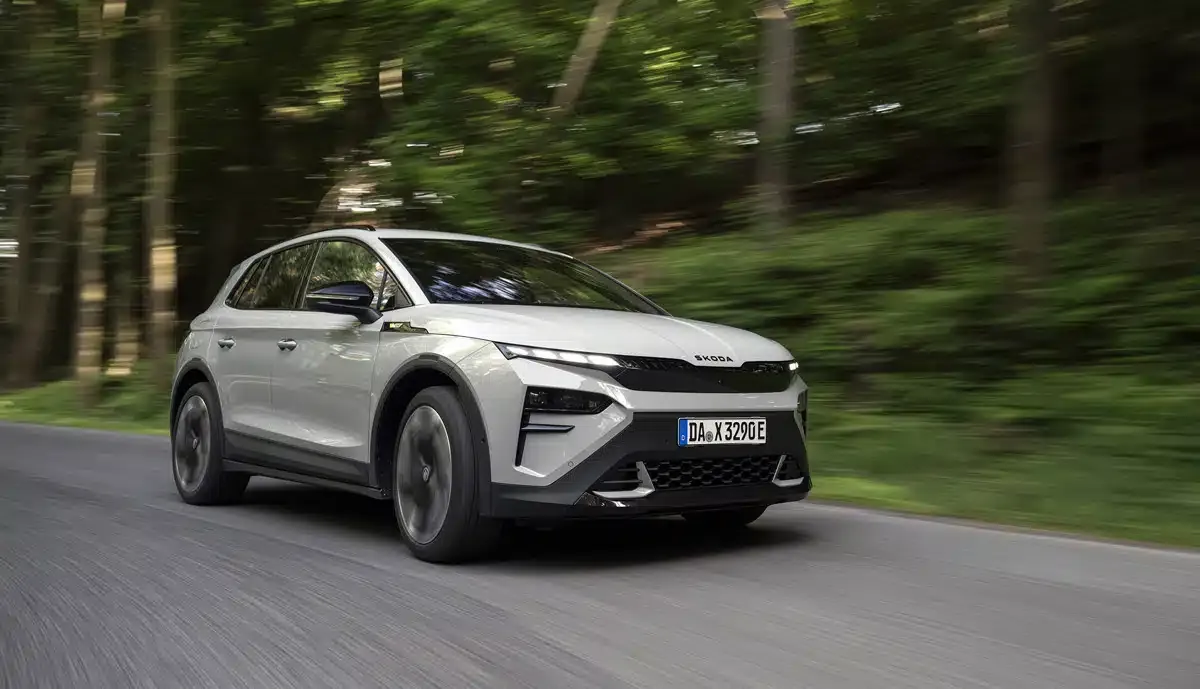
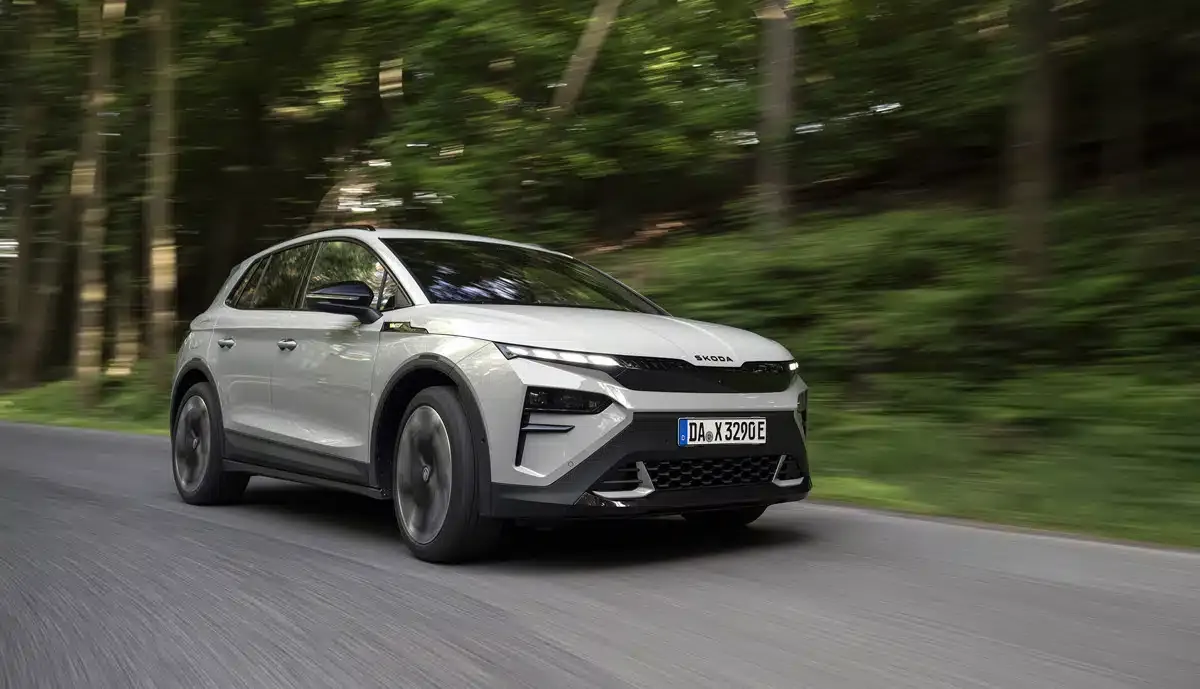
Image: Skoda (illustrative)
The German passenger car market ended July 2026 with a 1.2 percent increase. This corresponds to 3,266 additional vehicles, bringing the total to 268,068 passenger cars. Adjusted for seasonality and working days on an annual basis, the year-end figure would be slightly over 3 million passenger cars, according to analysts at Dataforce.
The private market saw a 8.0 percent rise, while the fleet market declined by 2.9 percent. Car rental companies experienced a 12.2 percent increase, and the vehicle manufacturing sector gained 5.7 percent. In contrast, registrations in the vehicle trade dropped by 17.4 percent.
In the private market, growth was once again driven by electric vehicles, whose numbers rose by 102 percent. With nearly 39 percent of the market share, they accounted for the largest segment among all fuel types. The government’s purchase subsidy for electric cars and rising gasoline prices at gas stations continue to be the main drivers, while gasoline vehicles lost 27 percent of their market share.
In the fleet market as well, electric vehicles saw an increase of 31 percent. However, this growth was not enough to offset the 15 percent decline in gasoline vehicles and the 22 percent drop in diesel vehicles. In vehicle sales, the share of electric vehicles in dealers’ own registrations rose to 20.4 percent in July, up from an average of 14.1 percent for the first part of the year.
"Overall, the increasing electrification trend is such that we’ve seen the strongest July on record for electric vehicle market share in the overall market. These shares reached 29.3 percent," said the analysts.
The commercial vehicle and utility vehicle market performed weaker, losing 7 percent. The retail channel dropped by 11 percent, recording the highest volume loss, while car rental companies lost 10 percent and the vehicle trading industry lost 11 percent. The automotive manufacturing sector was the only growing segment, with a rise of 17 percent. "Fleet sales declined by 4 percent, just as in the passenger vehicle market, reflecting the current market conditions that are once again shaped by geopolitical crises and economic uncertainty," explained Dataforce.
The analysts’ conclusion: “The passenger car market and the truck market are currently developing in opposite directions. While economic pressures are more evident in the truck sector, positive factors are driving the passenger car market. Here, government incentives once again play a role — high fuel prices also contribute to another wave of electrification at an accelerated pace. Nevertheless, it must be noted that the fleet market remains below its potential, with tactical registrations once again playing a significant role.”
Also interesting
About the author
Thomas Langenbucher is an expert in electromobility with experience in the automotive and financial industries. Since 2011, he has been covering electric vehicles, sustainable technologies, and mobility solutions for ecomento.de. Learn more.
Reader interactions