
The first subsidy contract for an electric truck amounts to 377 thousand PLN. The vehicle costs 1.3 million PLN.
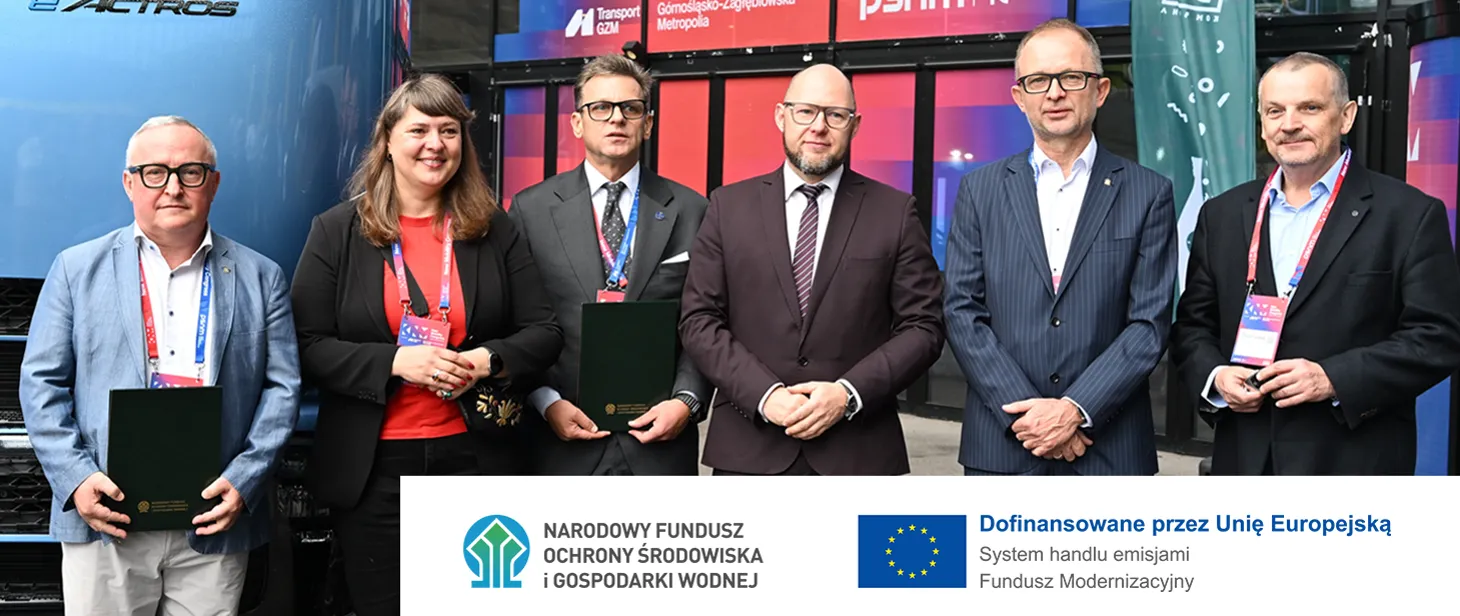
NFOŚiGW signed the first grant agreement for an electric truck in category N2 or N3 on September 25, 2026. Trans Południe will receive over 377 thousand zł, with the total investment costing more than 1.3 million zł.
The agreement was signed by Paweł Augustyn, vice president of NFOŚiGW, and Marek Pijar, president of Trans Południe. Przemysław Rajewski, president of Daimler Truck Polska, also attended the event, though the fund did not disclose the brand or model of the truck being purchased.
The electric truck will replace the diesel truck
Trans Południe will use the new tractor to transport goods. It will replace the currently used diesel truck, which, according to NFOŚiGW’s calculations, is expected to reduce CO2 emissions by about 38 tons per year. Emissions of nitrogen oxides and PM10 dust are also set to decrease.
The fund also claims to save around 5 MWh of energy per year. This is surprisingly low for heavy transportation, but the statement does not provide the vehicle’s annual mileage or the method used for calculations. Without these details, it is difficult to assess both energy consumption and the actual scale of emission reductions.
2 billion zł for vehicles, 6 billion zł for the entire system
The budget for purchasing and leasing zero-emission N2 and N3 vehicles is 2 billion zł. The funds come from the Modernization Fund.
In total, NFOŚiGW intends to allocate 6 billion zł for the electrification of heavy transport. This amount covers vehicles, charging infrastructure, and network investments. According to Paweł Augustyn, the funding is meant to help bring nearly 4000 trucks onto roads.
The first contract puts the program into practice, but its scale will only become clear from the pace of signing additional contracts. Will a subsidy of around 377,000 zł be enough to encourage carriers to switch diesel engines to electric ones on a large scale?
LovEV Newsletter
Want more content like this?
Sign up — we’ll send you a weekly summary once the newsletter starts.
