
"We lose money on every electric truck": Scania’s CEO identifies the culprit, and it is not Chinese brands.
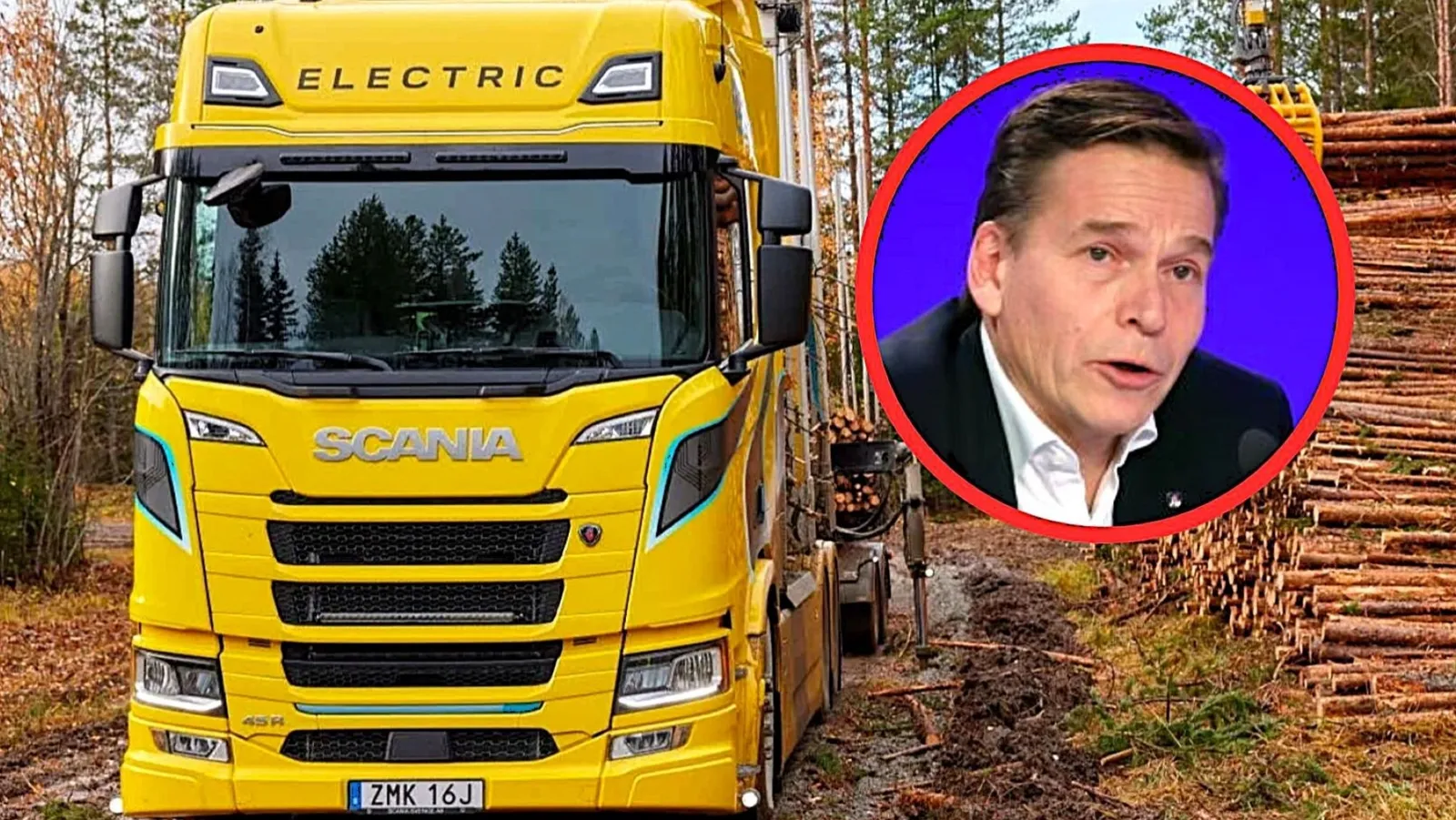
The electric truck is already a reality in the United States—led by the Tesla Semi—as well as on the Old Continent and in China, where manufacturers aim to produce 100,000 units by 2030. In Europe, Mercedes, MAN, and Scania are the leading brands, with the Swedish manufacturer also being one of the most innovative truck producers in the EU, as proven by its 720 km range electric truck.
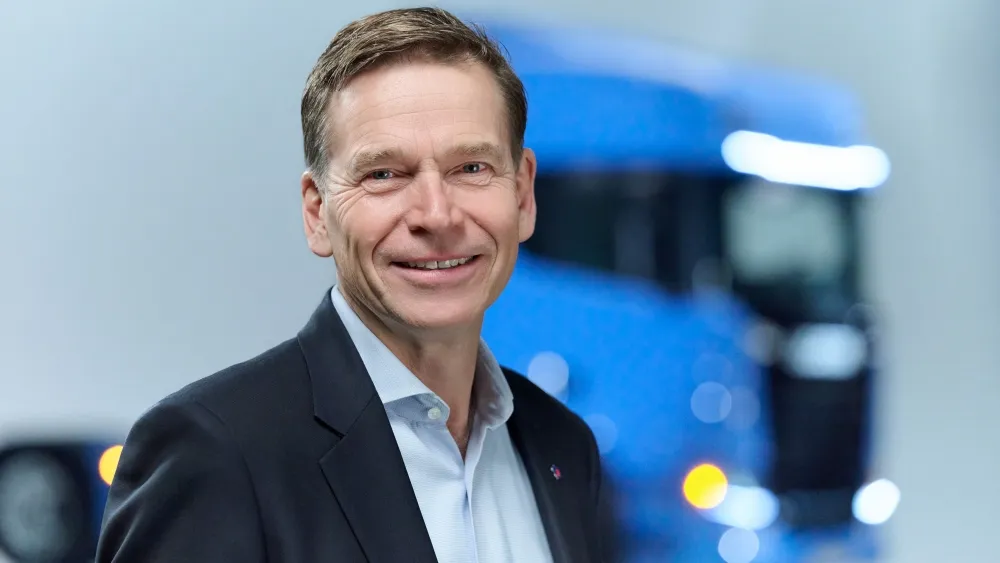
But that doesn’t mean its electric truck division is profitable, far from it. Its CEO, Christian Levin, admitted this and even revealed in an interview published by Trucksales.com.au that “we lose money on every electric truck today.”
Point to the real culprit—it’s not Chinese brands
The fault lies not with Chinese brands, which he acknowledges can offer electric trucks up to 40% cheaper than European ones. No, according to Scania’s CEO, the main culprit is the low demand for such trucks in Europe and, ultimately, the EU, which sets an electric truck quota that is today “impossible” to meet. “It’s not going to happen,” insists the company’s CEO.
Breaking down the issue, the EU—whose latest policies Mercedes has criticized for making cars even more expensive—appears to be the ultimate culprit, as it previously approved legislation requiring a 35% market share for electric trucks compared to those with internal combustion engines; all in order to meet the EU’s CO2 emission reduction targets by 2030.
Scania’s CEO insists, “It won’t happen,” as the share of electric trucks in Europe is expected to reach only 2.6%. He even blames the EU, stating that its regulations “represent a greater threat to the European industry than what many mention—Chinese brands. I’m talking about the threat from Brussels. This is a threat posed by the EU that looms over us, and it’s absurd.”
Levin is specifically referring to the fines that the EU could impose on manufacturers if that quota isn’t met, which would result in a significant financial loss—indeed, a very large one. Not coincidentally, one of Scania’s biggest rivals, Daimler, has stated that falling short of this target by just 10 percentage points could lead to a fine of 1.2 billion euros.
Beyond the fines, they’re still not profitable: why?
Scania’s CEO also spoke about the current situation in the electric truck industry. Setting aside the possible fines from the EU, Levin doesn’t hesitate to admit that at Scania “we lose money on every electric truck”.
Why? It’s once again related to the EU’s projections… and to the optimism of European brands, not Chinese ones.
According to its CEO, Scania has invested to build manufacturing capacity aligned with a timeline targeting 50% market share for electric trucks in Europe by 2030. However, “right now we see only a 1 to 2% adoption rate [by the market]”, so “obviously, we are losing money on every vehicle we produce.”
But there is a solution, and it comes from outside the EU
Now, Scania’s CEO believes that the EU itself and its member governments can help find a solution... so that electric trucks don’t lose money. How? By allowing these types of trucks to have a greater payload capacity.
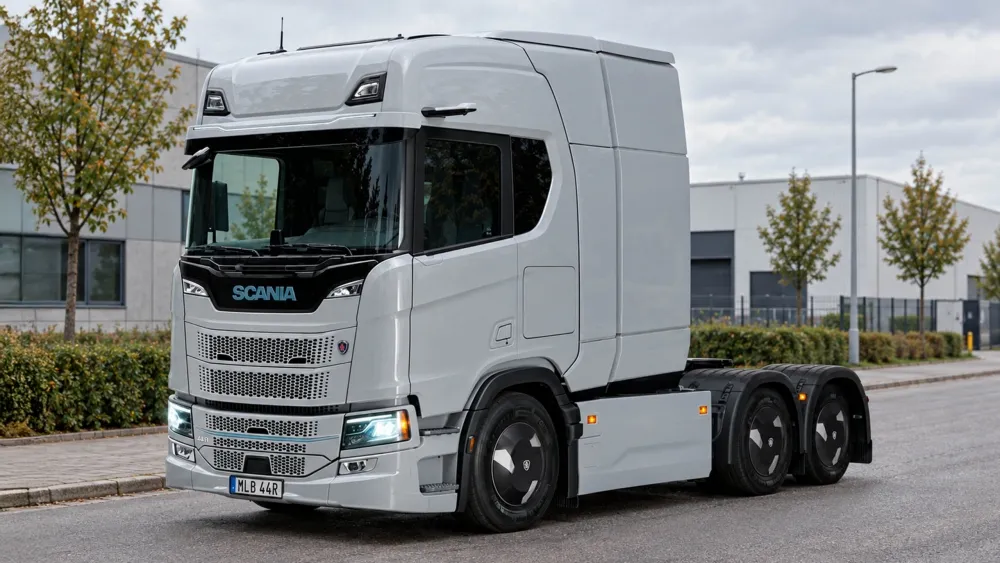
To achieve this, he suggests that the European continent follow the UK’s example and move from allowing tractor units with a 4x2 configuration—4 wheels on the rear axle and 2 on the front—to a 6x2 configuration or even a 6x4 setup.
This would enable electric trucks to pull heavier loads, which he estimates could be “potentially up to five tons.” So, can this make it worthwhile? Yes, it can, and it should,” he concludes.