
Why did it take so long for the electric Range Rover to arrive?
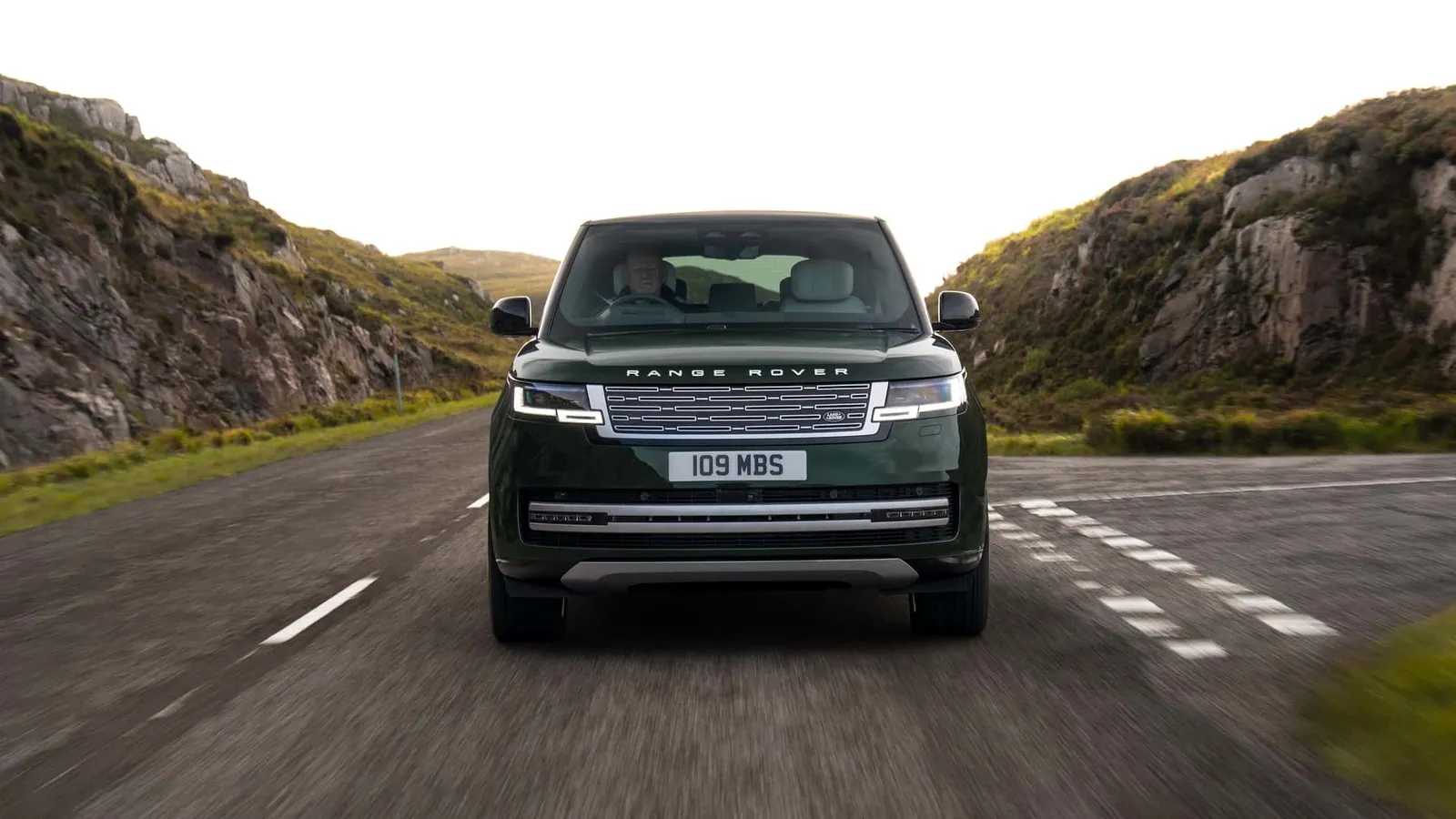
A fully electric Range Rover was promised to customers at least five years ago, when Jaguar Land Rover (JLR) unveiled its “Reimagined Strategy,” committing to electrifying every product in its lineup. But despite frequent promises of an imminent debut over the past five years, it was only recently that the final version was revealed.
So, when we met with the Land Rover development team, I asked straight away what had gone wrong.
The challenges of the first time
It seems there were quite a few issues. According to the program manager, Simon Fairbrother, the main problem stemmed from developing a propulsion system capable of meeting the desired specifications. “When we started, we were planning for an induction motor at the front axle,” he explained. The advantage of such a solution is that the front unit can be disconnected during normal road driving when all-wheel drive isn’t necessary, improving efficiency and range. It can then be reconnected when more driving power is needed.
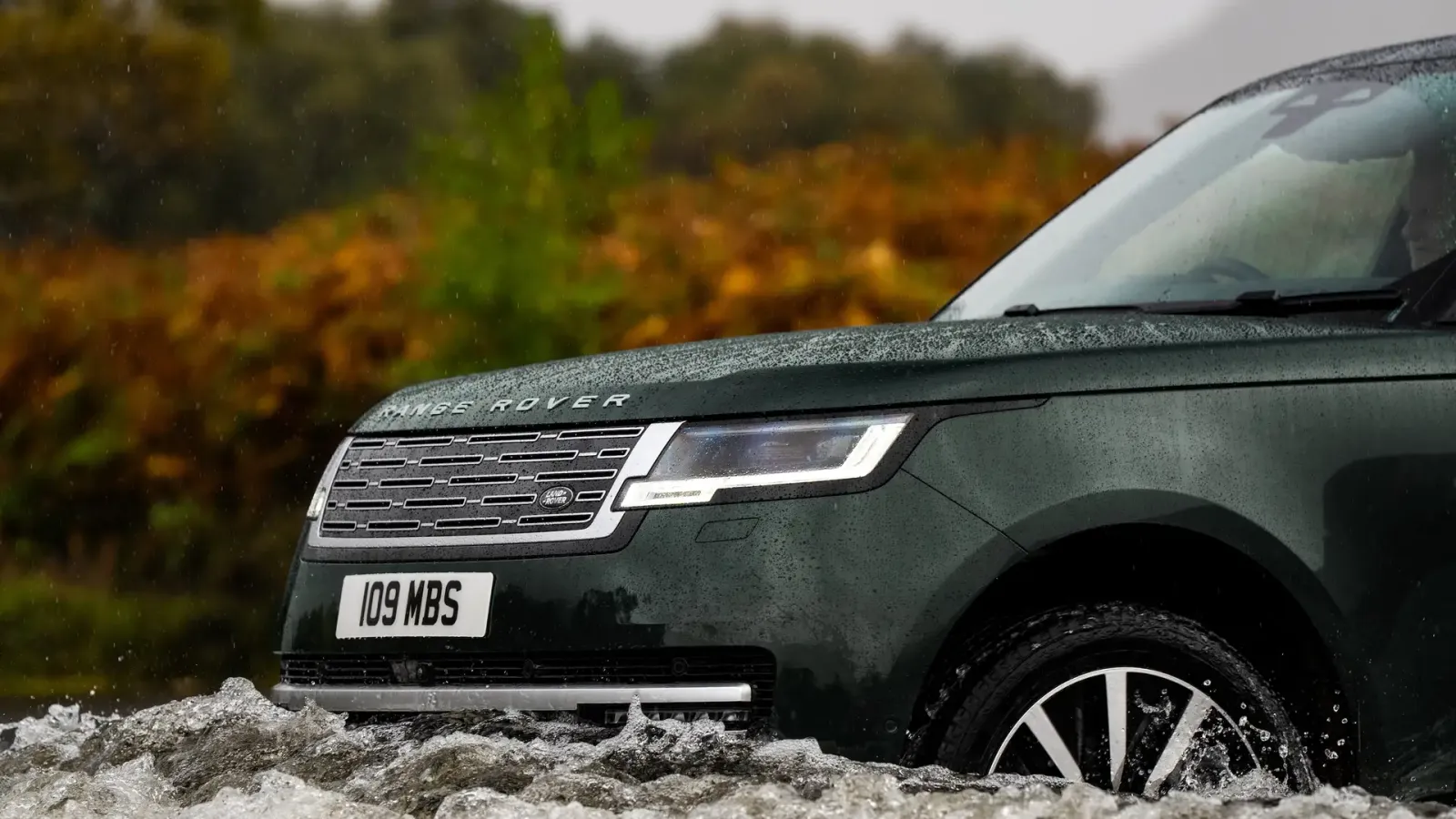
The Range Rover Electric can cross up to 90 cm of water.
Photo by: Land Rover
During testing, especially those at high temperatures, this configuration failed to consistently deliver the off-road capabilities expected of a Range Rover. “It overheated too much and we had to reduce power,” Fairbrother recounted. This was unacceptable to the development team, forcing them to return, metaphorically, to the drawing board.
Fortunately, the brand had developed a more robust system with a permanent magnet motor for the rear unit. The solution was simply to replicate that design on the front axle as well. Naturally, this required Land Rover to thoroughly model, test, and validate this configuration as well. “To ensure we didn’t face another situation—though I wouldn’t call it a mistake, rather a potential compromise.”
Compromise isn’t exactly a word that fits into the Range Rover’s vocabulary. The model is not only Land Rover’s flagship but also a historical benchmark in the luxury SUV category, one it helped pioneer in 1970. This meant that, in addition to offering superior and consistent off-road capabilities, the new electric version had to maintain a comfortable, “flying carpet” driving experience on roads, along with a refined and spacious interior featuring the classic commanding driving position.
Photo by: Land Rover
"These are the things our customers told us they wanted," explained Rachel Hogg, Range Rover’s product manager. "And it was so important to keep that promise that we felt it was necessary to do it right, rather than rushing to market with something that didn’t fit the brand."
The wading depth of the new electric Range Rover remains the same as that of the gasoline-powered Range Rover. The same applies to the approach and departure angles. However, the large rear engine prevents the Range Rover Electric from offering a seven-seater version, which is available on its larger-engine gasoline counterpart. Additionally, according to Fairbrother, the EV has a slightly reduced departure angle due to the new rear diffuser designed to improve aerodynamics. There is also a slight decrease in ground clearance and roof angle, although Fairbrother claims these aspects have been at least partially compensated for.
"We have a completely flat floor. And thanks to the integrity of the battery pack, in some ways this completely flat floor compensates for the slightly lower ground clearance, because it can glide over obstacles, almost like on a sled," he explained. I imagine the sound of the bottom of the battery compartment scraping against a rock, like nails on a chalkboard. On the other hand, even under a conventional Range Rover there’s plenty of vulnerable metal that can scrape as well.
Photo by: Land Rover
Despite Trump administration policies, which have consistently been short-sighted and regressive regarding the scientifically accepted facts about climate change and the benefits of vehicle electrification, Land Rover has seen tremendous interest from the North American market for its new electric vehicle. However, according to Fairbrother, this interest is concentrated in areas of the country that are less supportive of the current administration, including New York, California, Oregon, and Washington. “We have over 80,000 genuine expressions of interest,” said Fairbrother, “and a surprising majority come from the United States.”
Hogg explained that of this global waiting list, about 20% already owns an electric car. He also noted that roughly 70% of these people are new to the Land Rover brand, indicating strong potential for growth. He believes fully electric vehicles will eventually account for 10-20% of total Range Rover sales. However, he added that the brand “would need a crystal ball to predict this accurately,” something it unfortunately does not have.
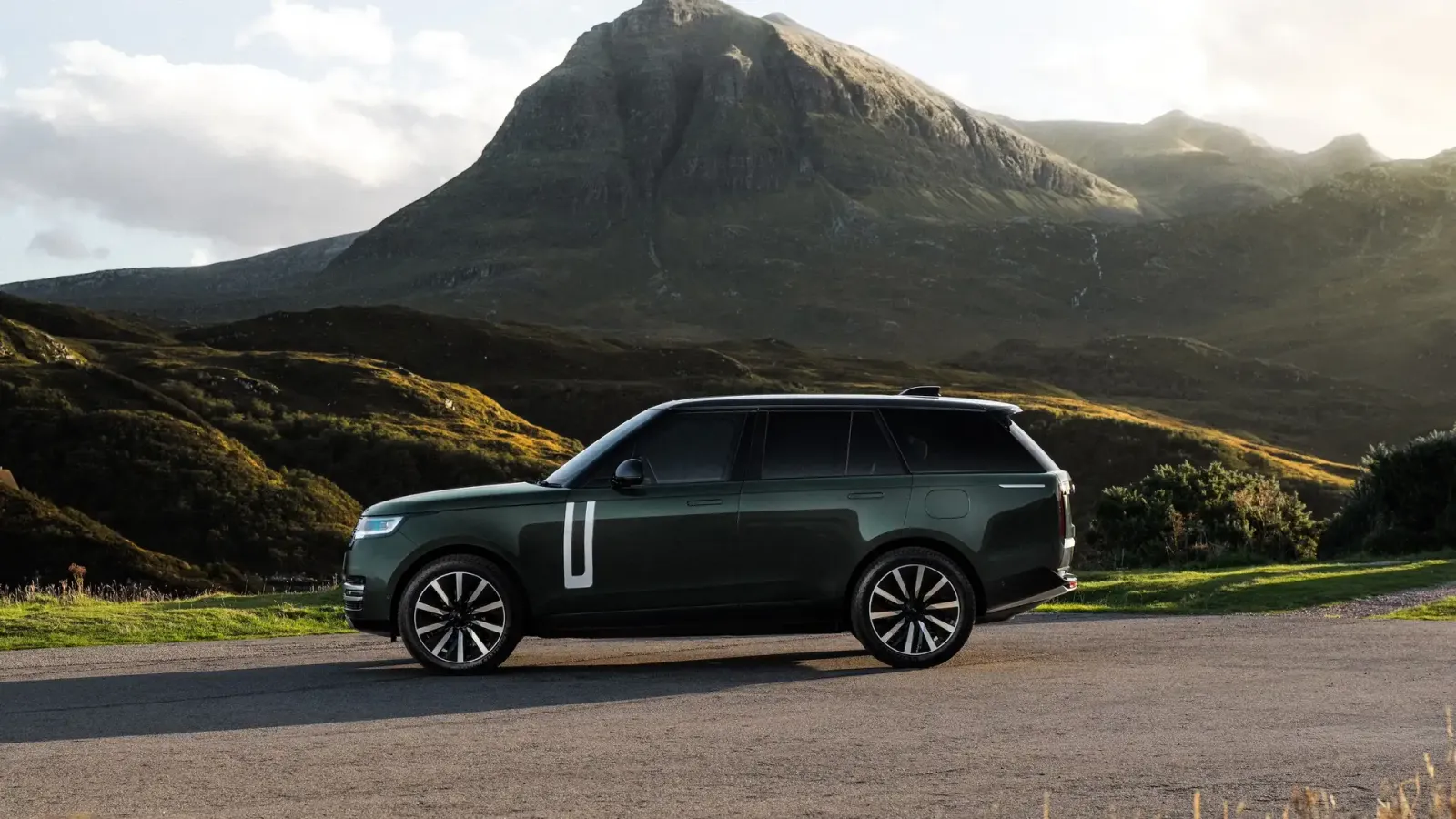
Photo by: Land Rover
This uncertainty is why Land Rover remains firmly committed to the validity of its “Flex Architecture” program, an independent platform from the type of propulsion that allows thermal systems, mild hybrids, plug-in hybrids, and BEVs to be integrated into the same technical base and project. “All vehicles are built on the same line in Solihull. This enables us to adapt to demand and global market trends within weeks or months,” said Hogg.
The perhaps most interesting detail revealed by the team concerns the motivation behind many potential Land Rover customers turning to electric vehicles. It seems they are drawn to the idea of an electric Range Rover not only because they appreciate its zero-emission credentials, its robust off-road capabilities, or its luxurious interior. It’s “because they hate going to gas stations,” said Fairbrother. Not because these places are dirty or smelly, he clarified, but because this segment of customers feels vulnerable and exposed to the risk of aggression in such public spaces.
"So one of the advantages of the electric Range Rover is that they can have the necessary charging ecosystem at home," he explained. "This helps to reassure them by providing an additional element of perceived safety." Naturally, to capitalize on this already established market, Land Rover will offer a home charging solution under its own brand for buyers of this and future models. As for what all this says about our country and the growing gap between those who have and those who don’t, we leave that to you to interpret.
Now that Land Rover has unveiled its first electric vehicle, it’s natural to wonder what this means for the brand’s future electric models. Hogg and Fairbrother noted that the Range Rover Sport EV is currently being launched in other global markets and is likely to arrive in the United States next year. Both also reminded that the brand has already confirmed the arrival, also next year, of the five-door Range Rover GT in an electric version, a sort of elevated wagon. They immediately added, however, that this model too will be built on a flexible platform capable of accommodating gasoline and hybrid variants.
When asked whether these or future Land Rovers would share components with Jaguar’s 2027 Type 01, Fairbrother replied bluntly: “Yes.” But when pressed for more details, he backed off. “Obviously we’re all part of the same company,” he said. “There are shared components. But the powertrain we have in this vehicle is specific to Range Rover, to ensure all of Range Rover’s features. The Type 01 has completely different requirements.”
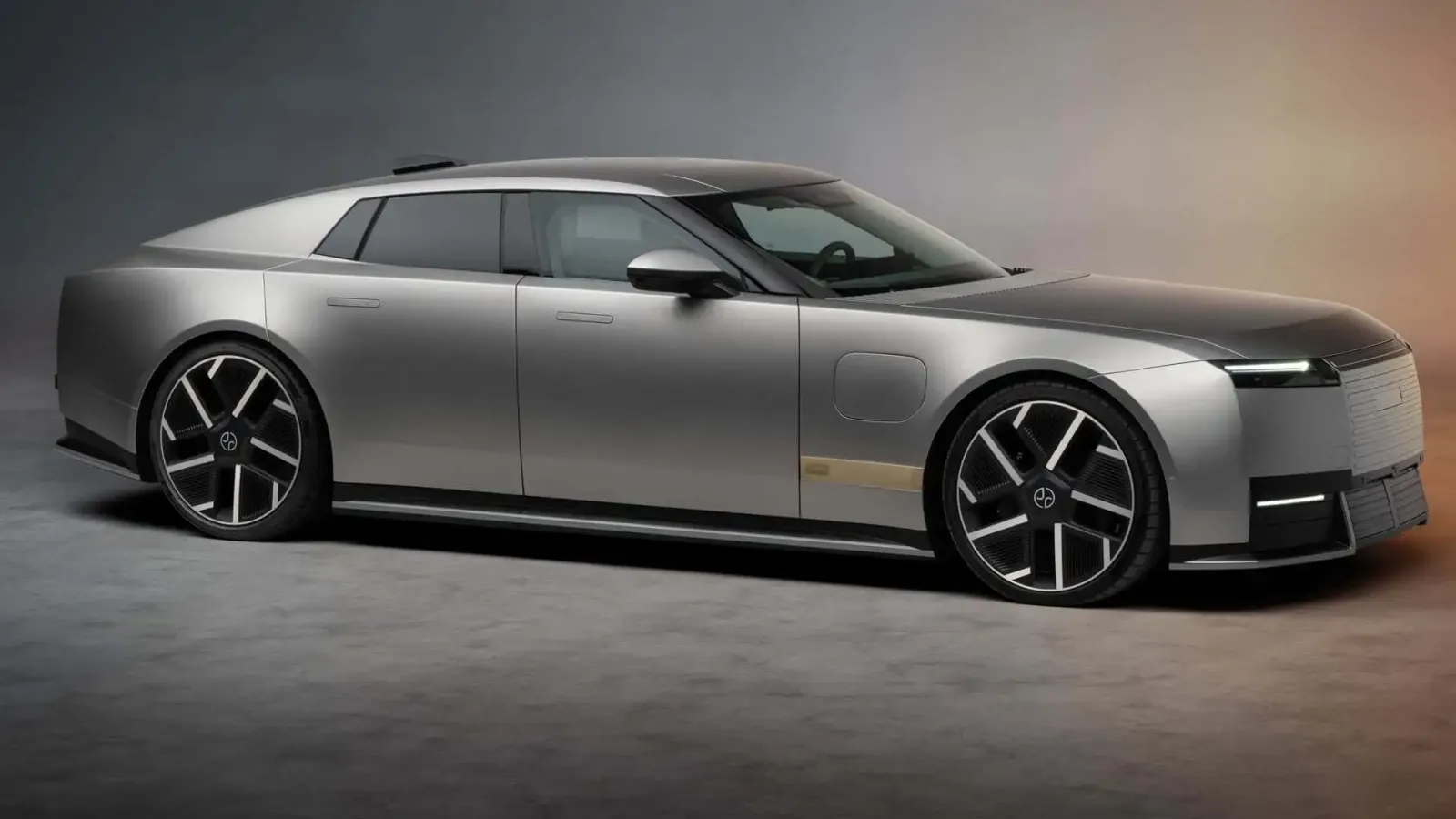
The Range Rover Electric shares some components with the Jaguar Type 01, though the company doesn’t specify which.
Photo by: Jaguar
The answer is similar, though slightly more explicit, when I ask what the chances are of seeing more powerful versions of current or future Land Rover electric vehicles, along the lines of the brand’s more advanced models like SV or Octa.
“I think it’s quite normal to always consider products of this kind in research and development,” said Hogg. Fairbrother gave a faint smile. “We never stop developing.”
Read also