
Does the 500 and Vespa have an electric future or...?
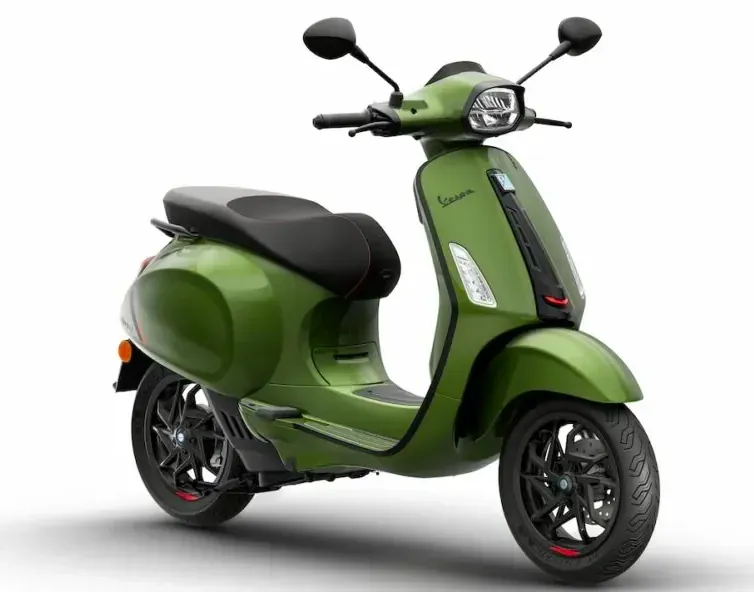
Is there an electric future for the 500 and Vespa? Or are these two icons of Italian manufacturing destined to remain on the fringes of this mobility revolution? Let’s take a look at the situation, which isn’t very promising for products that have shaped the history of two- and four-wheeled vehicles.
What can we expect for the 500 and Vespa? Let’s start with the scooter.
Let’s be clear right away: there is some concern. Based on what we know and what we saw at EICMA in Milan regarding the Vespa, we start with Piaggio’s scooter. The first version wasn’t a success—it was too expensive compared to Asian competitors and lacked sufficient features to be attractive. Even Piaggio itself didn’t seem too confident when it was launched in 2018 at 6,390 euros. Only a few were sold, and subsequent tweaks weren’t enough to reverse the trend. Piaggio seemed focused on traditional engines. Now the new version is here, with some advantages such as the absence of rare earth elements in the electric motor. But doubts remain, starting with a not-very-impressive range of (85-90 km). Competitors now offer three-digit ranges. It’s true that the Vespa has a unique charm, but... then there’s the unknown factor of price, which is too high in the first version. Let’s see what Piaggio decides.
And the Cinquino loses ground while waiting for the new version
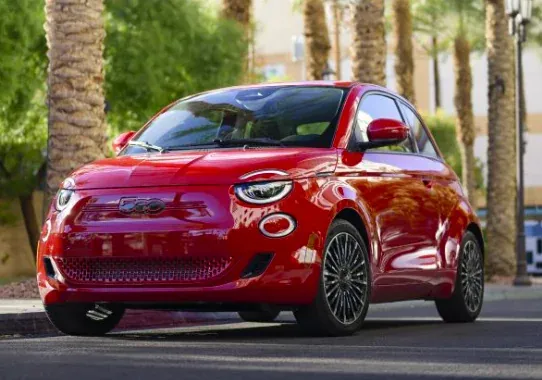
Let’s talk about the 500e. The first version was introduced six years ago and was a success, despite its fairly high prices. A new version, much more affordable, was supposed to arrive by 2025, as announced by Stellantis CEO Carlos Tavares. But the leadership change with the arrival of Antonio Filosa halted everything. The new top executive decided that the hybrid version should take priority at Mirafiori. As a result, the model that was the leader in electric vehicle sales in Italy and France dropped in rankings. In Italy (according to Unrae data), it fell to 15th place in the first 10 months of 2026, with 1,357 units sold. In France, it’s outside the Top 20. The new version, which is cheaper and has longer range, won’t arrive until 2030. And that’s a real shame. Why precisely in markets like France, where electric vehicles account for over 40% of sales, a revived 500e would have greatly helped Stellantis. After all, the current models struggle to keep up with Renault’s Twingo and R5.
Previous Article
Solar panels on farmland? The answer remains no, even if the land is uncultivated
Next Article
Angelo’s C-Zero: still performing well after 13 years, but a new battery costs 12,000 euros