
Small batches in 2027 or 2028 and mass production in 2032 or 2033: another brand sets a timeline for its solid-state batteries
26/09/2026 12:30
Updated to
26/09/2026 12:30
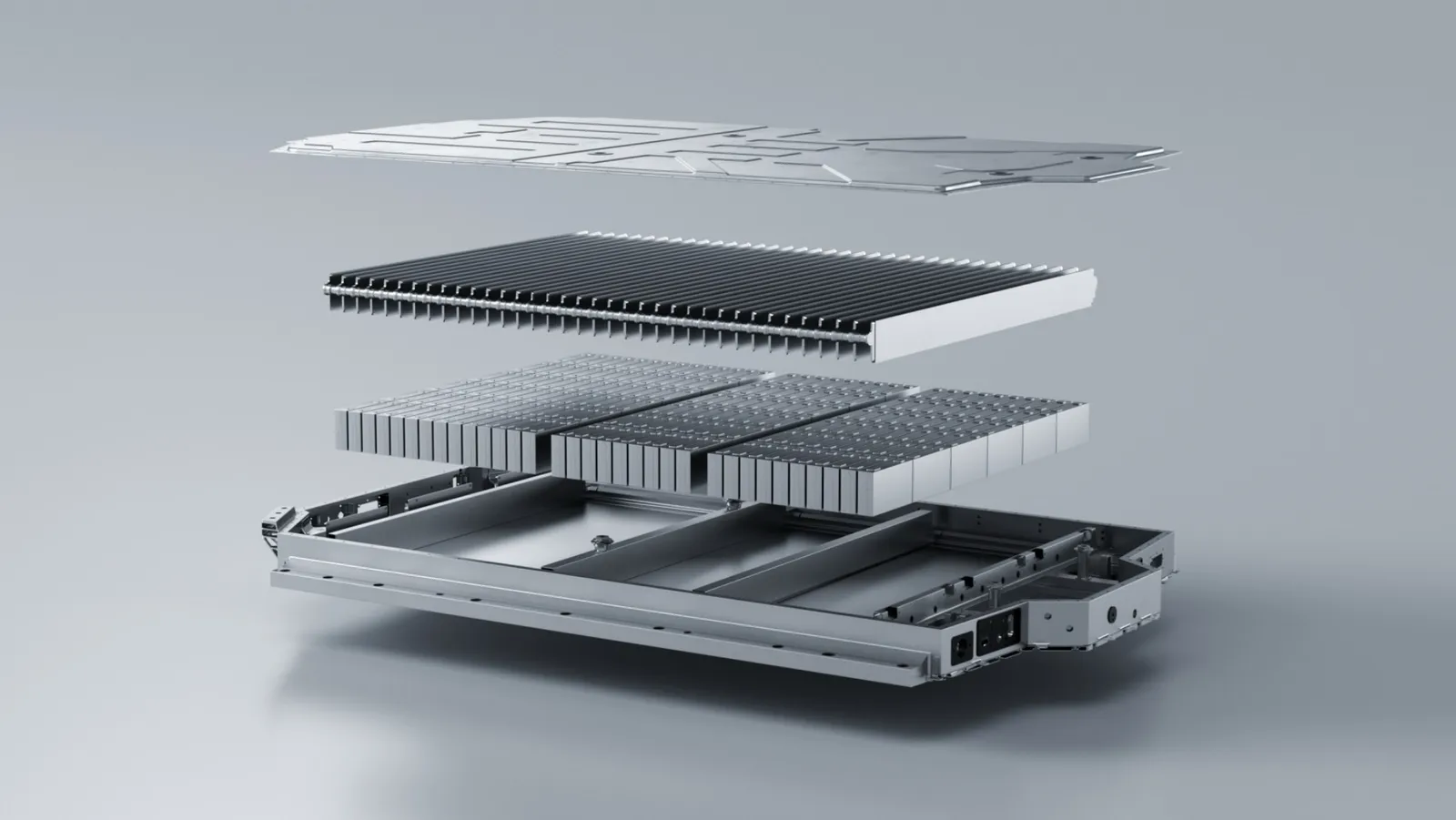
Solid-state batteries remain the major unmet promise of electric vehicles, with each Chinese manufacturer setting its own timeline to bring them to production. It is now Li Auto’s turn; according to cited internal sources, the company expects its solid-state battery (SSB) technology to be ready for integration into small batches of vehicles by 2027 or 2028. China has taken the lead globally in developing a new generation of batteries. The country has already established mandatory standards that all its brands must comply with.
Liu Zhimin, Li Auto’s senior battery director, has confirmed that the company is “actively laying the groundwork” for this technology. However, the message comes with an important caveat: achieving mature mass production for vehicles while ensuring a “consistent user experience” will take another five years. In other words, Li Auto’s mass-produced solid-state battery vehicles won’t hit the market until 2032 or 2033.
Smart glasses as the first testing ground
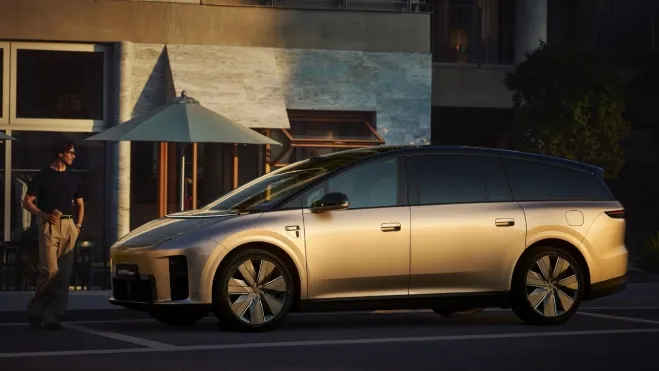
Li Auto currently has several related projects underway, and prototype testing has already been conducted using the smart glasses that the company also sells in China. This is an interesting fact, as it shows that before moving on to cars, the brand is testing this battery technology in a much smaller and more manageable consumer product, where the risks of failure are significantly lower than those in a vehicle.
According to Zhimin himself, the main technical challenges in manufacturing solid-state batteries relate to lifespan requirements, charging performance, and production costs. It is no small issue. Any new battery chemistry needs to prove it can withstand hundreds of charging cycles without excessive degradation, charge in reasonable times, and be economically viable to produce compared to current lithium-ion batteries.
Own batteries already available in three models of the range
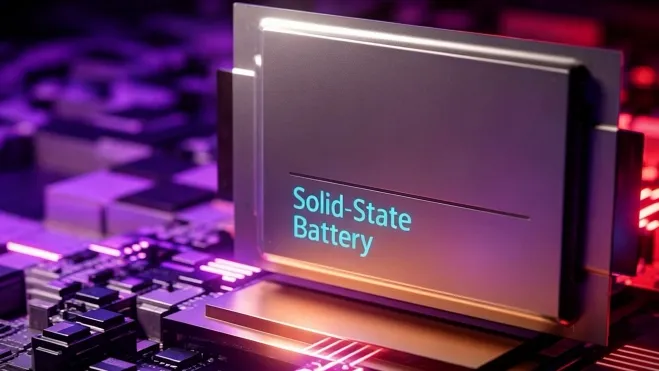
Before this announcement, Li Auto had already revealed that its entire lineup would adopt batteries developed in-house. This decision will allow the brand to better control its supply chain and potentially make its products more competitive in price. These proprietary battery packs from Li Auto have already been installed in the Li Auto L6, Li Auto L8, and Li Auto i8, three of the brand’s current models.
According to a previous report, Li Auto has established a business unit dedicated to supplying its in-house developed technology to external companies. This unit focuses on the Mach M100 autonomous driving chips, with a computing power of 1,280 TOPS, silicon carbide (SiC) power modules, and extended range electric vehicle (EREV) propulsion systems. However, the company’s batteries were not currently being considered for supply to other automakers.
A mixed sales landscape
According to sales data in China, Li Auto delivered 259,930 units in the domestic market from January to August 2025, a 1.2% year-on-year decline. Its currently best-selling model is the electric SUV Li Auto i6, priced between 249,800 and 269,800 yuan, which is approximately 32,474 to 35,074 euros at current exchange rates. 152,842 units of this model were sold in the first eight months of 2026. Just a few days ago, Li Auto announced its intention to sell cars in Europe, though it has not yet outlined a clear roadmap.