
Those Excluded from the Charging Station Bonus Speak Out in Anger – VIDEO

The excluded from the charging station subsidy speak out, writing to us disappointed and angry. The Ministry responded that the decision not to apply retroactively is legitimate, even if it means some will be left out for a few days. We’re talking about bills paid just two days before June 26, 2026. For those who see charging stations as a luxury, Angelo’s story is exemplary: so much time lost trying to get approval from the apartment building’s assembly. Plus, a cost of 4,000 euros to connect the garage to the meter with 70 meters of cable. In short, electric cars are already more expensive, and on top of the vehicle cost comes the expense of the charging station. We wanted to give a voice to those who have contacted us. The decree seems unchangeable, but pressure is needed. Vaielettrico is here to help those excluded. Share your story with us, send us an audio or video, or even a photo of your charging station.
Email onnina at info@vaielettrico.itThe Excluded Speak (and Stefano Proposes a Petition) - VIDEO
Many readers installed wallboxes in 2025, relying on the retroactivity of previous grants. Claudio, who also installed solar panels at home, recounts installing an ABB unit in June 2025: “I was really upset, which is why I’m writing to you, hoping someone will listen.” Stefano Nappa asks whether it’s possible “to file a petition to qualify for the 2026 bonus.” Maurizio Polla speaks openly of “shame”: “I’ll have to reopen my 730 tax form to recover at least 50% over ten years. I don’t know what else to do.” Regarding this, it remains unclear whether the deduction can be recovered. Paolo Perifante recalls that grants up to 2024 were always retroactive: “We installed them trusting in the same rules, which were later ignored.”
The 2026 deadline: those who installed in May or early June are out of luck
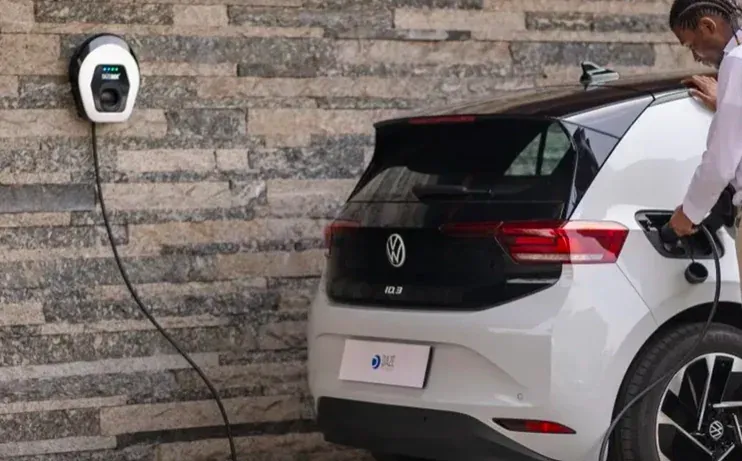
The largest group consists of citizens who wrote to us and installed the chargers between April and June 25, 2026, often just a few days before the date set by the decree. Mara Berardi purchased the car on May 28, 2026, and immediately installed a charger: “Unfortunately, after buying an electric car on May 28, 2026, I installed a charger in my own garage because it was more cost-effective than outdoor chargers and to take advantage of the bonus. I am extremely disappointed by how this matter was handled, as it creates huge disparities. I hope there’s a way to get my complaints, along with those of other excluded people, to the right authorities, so that everyone can have the opportunity to benefit from the bonus.”
The Excluded Speak: “A Complete Farce”
A complete joke—everything could have been fixed by delaying the purchase by a few weeks. In those months after the introduction of the Automotive funds, which also covered social leasing and light commercial vehicles, there were countless articles about the 2026 Bonus Colonnine. But it would have been more accurate to call it the “Bonus Colonnine only for mid-2026.” Even Stefano Bruni missed out by just a few days: “In my case, it’s 35 working days. It’s extremely disadvantageous and unjustified.” Federico Wrubl cites an extreme case: “The intervention was paid for on June 23, but the Di.Co. date is June 29—so the portal prevents me from submitting the request.” Alessandro Giacomi was excluded for only two days: “It’s a regulatory gap that penalizes those who acted ahead of the bureaucratic process.” Primo Ruben Di Natale installed it on May 13, 2026: “I’m asking for a retroactive period from 2025 to June 25, 2026.” Rocco Stelitano highlights the disparity:
“Those who contributed to the same public goal are penalized, solely based on the date of their action.”Those who acted first are excluded, those who waited are included.
Many readers speak openly about a regulatory flaw. Leonardo Banchetti describes the situation as “a temporal joke that penalizes the most prompt and responsible citizens.” Nicola recounts a bureaucratic limbo: “Invoices from April, Di.Co. dates from July: a discrepancy that leaves few hopes.” Yet the installation was completed after the June 26 deadline. Stefano Fracasso condemns this, saying, “All installations from 2025 and mid-2026 are excluded. The last call for applications, if I’m not mistaken, was closed in 2025, but it covered 2024. Do the funds come from the 2026 budget law? If so, they should cover at least the entire year 2026, but common sense dictates they should also cover 2025, which didn’t have a dedicated call for applications. This government’s reluctant attitude toward electric mobility isn’t dispelled even this time.” Alessandro Costantin wonders, “Based on what do they decide that those who installed earlier…”
But doesn’t it fall under the decree? It’s true injustice.”The excluded speak out: “Open a recovery window”
Iacopo Giannini points out that: “Facilities installed between 1/1/2026 and 25/06/2026 are left out, even though it was already known at that time that the funds existed. This creates a discrimination between those who installed systems in the first half of the year and those who did so in the second.” All readers are demanding a retroactive window or at least a clear technical explanation. Many have already sent PEC messages, complaints, and formal requests to MIMIT and Invitalia. Others are calling for a collective petition or a coordination group.
READ ALSO: Bonus for charging stations: Those excluded write to the ministry
Previous Article
The defeat of diesel vehicles in T&E figures
Next Article
Too high energy costs in Italy, Stellantis counters