
It seems impossible: electric vehicles lose range while parked, but by how much and why?
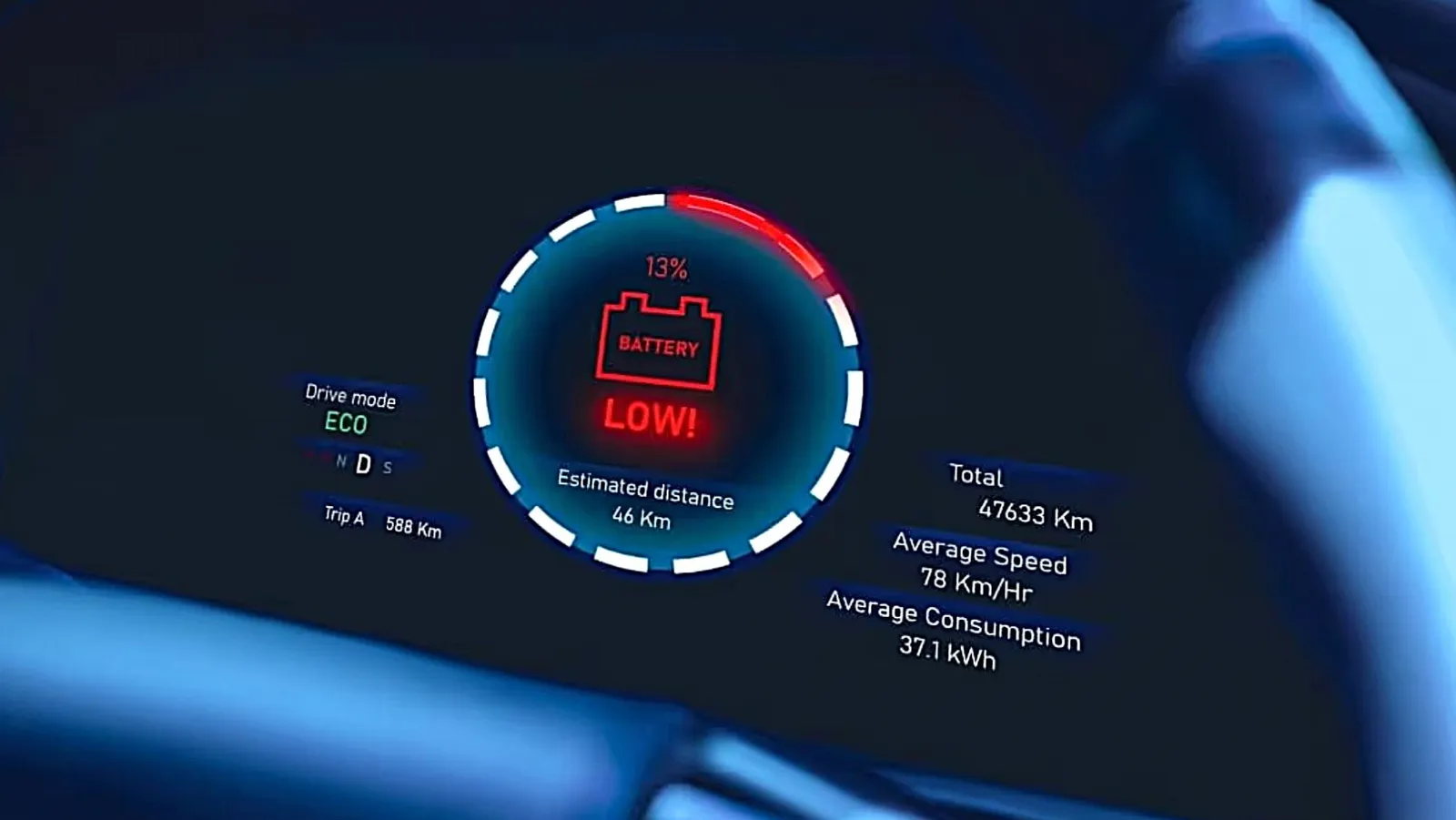
If you own an electric car, you’ve probably encountered this issue, and if you’re considering buying one, you need to keep this in mind: it may seem impossible, but even when parked without moving an inch, electric cars lose energy—and thus, range.
The topic we cover in this article is to explain why electric cars lose energy, how much energy is lost, and whether you should worry about it.
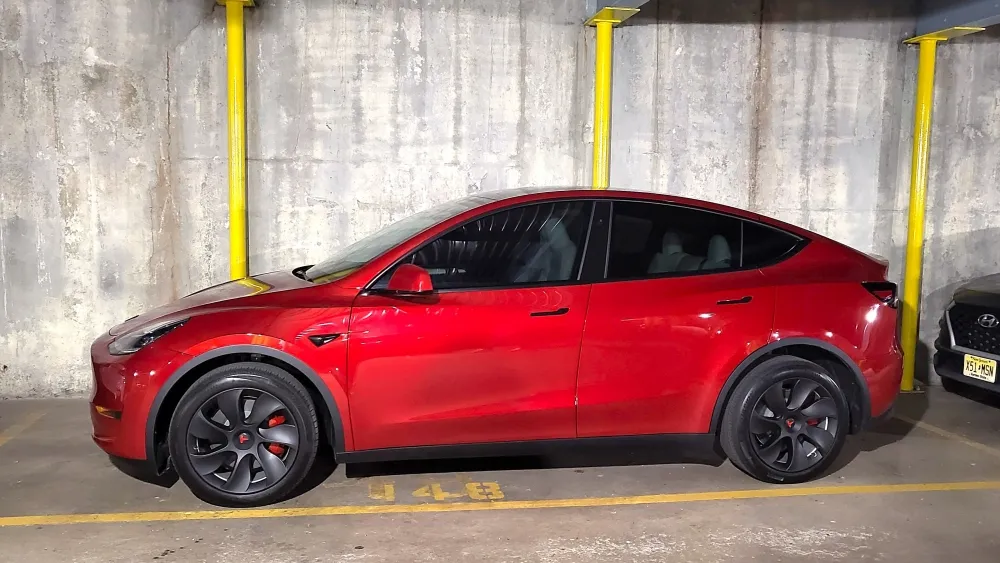
They lose range, but only slightly: why?
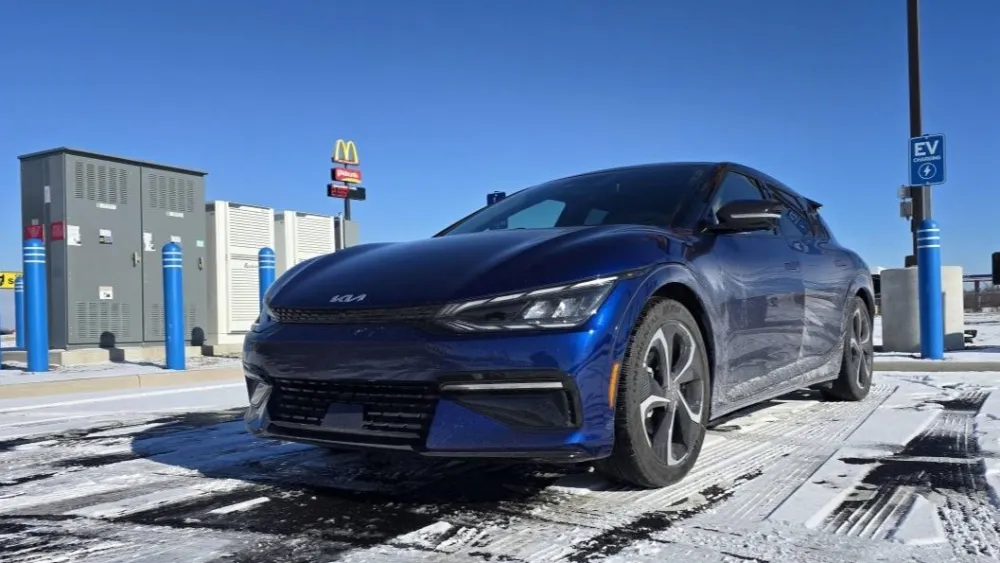
Firstly, breathe easy—electric vehicles do lose some range when parked, but the amount is very small, around 1% or less per night, as indicated by Tesla for example. The good news is that these losses vary little depending on the manufacturer. In fact, the specialized website InsideEVs details a real case: the KIA EV6 belonging to its editor-in-chief was parked in his garage with cold outdoor temperatures for almost a month, and its charge level dropped only from 80% to 78%. However, this loss can be greater in older electric vehicles.
So why do electric vehicles lose range when parked? Well, in cold outdoor conditions, it’s due to the vehicle’s own battery protection system.
Most of them rely on the battery management system or BMS to keep their cells within a temperature range suitable for optimal performance. Just as electric vehicle drivers can use fans or compressors to cool the batteries when it’s hot, modern electric vehicles can activate the vehicle’s thermal management system to prevent the battery from cooling down too much. Of course, this consumes energy, which reduces range.
Moreover, some range prediction systems in electric vehicles, such as those in Ford—according to Insideevs—take weather forecasts into account when estimating range, as they calculate a reduction in available range due to the likelihood of using the heating more often. It may seem impossible, but it’s just the result of cutting-edge technology.
Another reason is... the hidden operation of electric cars. Turning off an electric car after parking it doesn’t mean the vehicle shuts down completely.
Electric cars have several systems that can remain active, such as the one that controls charging based on whether we’ve scheduled a battery recharge at a specific time, another system that periodically checks various functions—as specified by Tesla—or one even more noticeable: Tesla’s “Sentinel” mode, which monitors activity around the car. In fact, the American manufacturer states in its user manual that this mode significantly increases electricity consumption: which makes sense.
A final, rather silly reason is simply checking the vehicle’s status through the manufacturer’s app. This triggers certain internal processes in the vehicle and consumes energy, though the loss is minimal.

How to prevent electric cars from losing range while parked?
In light of this situation, and although the energy lost is never excessive, how can we minimize this loss? First of all, if you own a Tesla, turn off the Sentinel mode. If you have any other electric vehicle, avoid checking its status too frequently through the app. Additionally, if you plan to leave your electric vehicle parked for an extended period, besides following these tips from Spain’s top mechanic, make sure to park it with a sufficient battery charge so it can start again without issues—adhering to Tesla’s recommended 1% threshold.
The main solution for avoiding a loss of range in your electric vehicle even when it’s parked is suggested by Tesla itself. For example, the instruction manual for a Tesla Model 3 clearly states that “the most important way to preserve the high-voltage battery is to KEEP THE VEHICLE PLUGGED IN when you’re not using it. This is especially important if you don’t plan to drive the Model 3 for several weeks.”