
Windshield and electric vehicle: cameras, sensors, and recalibration
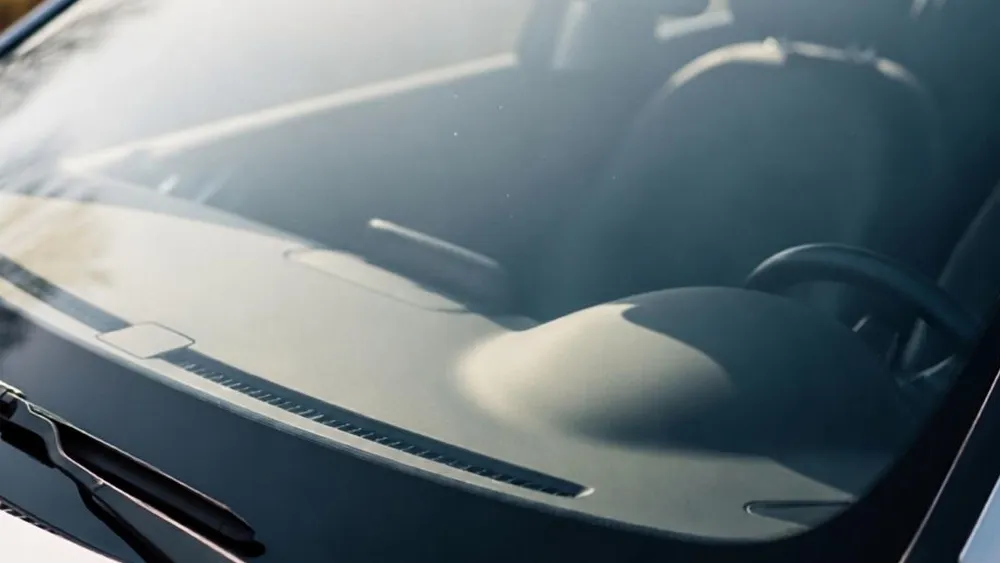
In a modern electric vehicle equipped with driver assistance systems, the windshield is no longer just a simple glass surface. It serves as a platform for an entire array of electronic components: a front camera, rain sensor, light detector, and sometimes antenna elements. These devices power the driver assistance features that are standard in such vehicles.
The direct consequence is that replacing a windshield in an electric vehicle with driver assistance systems requires more expertise than simply swapping out a regular glass panel. The process includes an additional step—recalibration—which is necessary for the onboard systems to regain their original precision.
Entrusting one’s windshield to a specialist in Strasbourg, Colmar, Mulhouse, or another city equipped for such tasks ensures comprehensive handling, including installation and recalibration. Let’s explore what lies behind this glass panel.
What the windshield of an electric vehicle hides
The glass itself is nothing special: like in other vehicles, it is laminated glass made up of multiple layers designed to stay intact in case of impact. What changes is everything attached to it.
Behind the interior mirror, there is usually a front camera. It monitors the road and sends its data to the vehicle’s computers. Nearby, rain and light sensors control the windshield wipers and automatic lighting.
The systems that depend on it
There are many driving aids that rely on these devices:
Lane keeping, which reads the markings on the road surface.
Recognition of traffic signs.
Adaptive cruise control, which adjusts the distance from the vehicle ahead.
Automatic wipers and lighting, controlled by sensors.
All of these systems share one thing in common: they depend on the exact position of the camera behind the windshield. Just a few millimeters of misalignment can distort their readings.
Recalibration, an essential step
This is precisely why replacing the windshield on a vehicle equipped with driver assistance systems (ADAS) requires recalibration. The goal is simple: to restore the camera and sensors to a position and setting that fully meet the manufacturer’s specifications.
The process is carried out using specialized equipment. Depending on the model, it is done statically in a workshop against a specific target, or dynamically during a short drive on the road. Some vehicles require both methods. In all cases, it is an essential part of the repair and cannot be done improvisationally.
Crack or chip: what should you do?
A single, small impact located outside the direct line of sight may sometimes require only minor repairs. However, once a crack appears or if there are more than 3 impacts, a complete replacement of the windshield is necessary.
In an electric vehicle equipped with driving assistance systems, such a replacement necessitates the recalibration mentioned earlier. This is another reason to act promptly upon detecting an impact: if treated early, it won’t develop into a crack, allowing for a simple repair.
Beware also of damages located in close proximity to sensors or cameras: they require professional assessment, even if they seem minor.
Some everyday tips
Maintaining a windshield in good condition involves simple actions. Clean it regularly, both inside and outside, to ensure clear visibility. Monitor the condition of the wiper blades: when they are worn out, they tend to spread water instead of removing it, which obscures visibility in the rain rather than improving it.
Lastly, note that temperature changes can exacerbate existing damage: a good reason not to ignore a scratch or dent.
Useful tip: if you have a gasoline vehicle equipped with ADAS, the principles remain the same.
In summary
The windshield of an electric vehicle equipped with driving assistance systems combines laminated glass with onboard electronics. Replacing it is a well-established procedure, as long as camera and sensor recalibration is included and the task is entrusted to a qualified professional. By acting promptly at the first sign of damage, drivers can keep their driving assistance systems fully functional and enjoy their vehicle with peace of mind.