
Regarding what interests you, the UK does want to be European: it is negotiating with Brussels to give its cars and batteries advantages.
29/10/2026 17:00
Updated to
29/10/2026 17:00
The United Kingdom is continuing negotiations with the European Union to prevent its automobile and battery factories from being excluded from future industrial benefits reserved for products manufactured in Europe. British Business Secretary Jonathan Reynolds stated that both sides are moving toward a solution. France and Germany are exploring a formula that would allow the UK to be recognized as a reliable industrial partner, though it might require the UK to adjust its trade policies toward China. The deal has not yet been finalized and will depend on negotiations among member states.
The UK wants to prevent its cars from being excluded from the 'Made in Europe' scheme
The controversy centers on the upcoming Industrial Accelerator Act, proposed by the European Commission in March 2026.
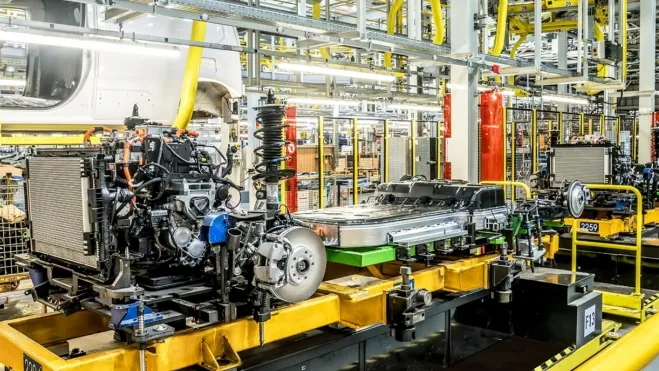
The proposal aims to strengthen European manufacturing and reduce dependence on imported products, especially from China. To achieve this, Brussels suggests introducing European origin criteria for certain government subsidies, tenders, and support programs for technologies such as electric vehicles and batteries.
The problem is that the UK left the European Single Market after Brexit, so its factories could be excluded from some of these incentives. Jonathan Reynolds believes both sides are finding a solution. "I think we’re working out a way forward. A lot of work is being done between our government and the EU to achieve this," the minister told Sky News.
France and Germany propose a solution, but with conditions
Negotiations have progressed after France and Germany began exploring a compromise to expand the concept of European manufacturing.
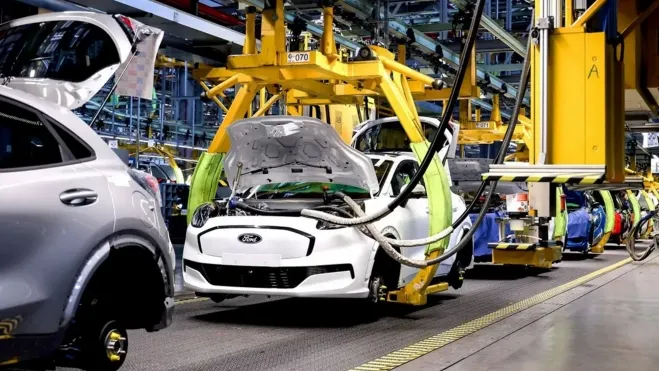
Both countries consider that the rules applicable to automobiles could include the EU and certain European partners that were part of the single market as of January 1, 2020. This approach would allow the UK to be included without having to return to the European Union.
However, there would be conditions related to trade reciprocity and alignment with certain European policies. These might include adopting measures equivalent to those used by Brussels to restrict imports of Chinese vehicles. For now, this is a negotiating proposal, not a legally approved exception.
A 80 billion euro business at stake
The importance of this agreement stems from the close relationship between the British and European automotive industries. According to the British association SMMT, trade in vehicles and components between the two markets amounts to approximately 80 billion euros per year.
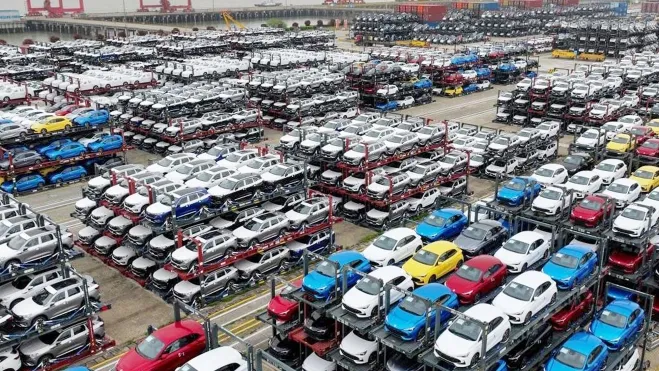
In addition, 60.4% of the UK’s vehicle exports went to the EU in 2025, while the UK absorbed nearly 30% of European vehicle exports.
Excluding British factories from certain incentives could also harm suppliers based in the European Union. For Spain, one of the continent’s major automobile manufacturing hubs, it is particularly important to maintain supply chains that operate on an international scale. Ford, Nissan, and Stellantis are among the manufacturers who especially need the agreement to be terminated. In fact, Ford also demands the same for Turkey, where Renault/Dacia also produce vehicles.
The negotiations also raise a strategic question: to what extent does Europe want to expand its industrial policy to include trading partners while trying to reduce its dependence on China?
The answer is still pending. The proposal must go through the European legislative process, and any special treatment for the UK will require sufficient political support. Until then, manufacturing a car in British territory does not guarantee that it can benefit from future advantages of “Made in Europe.”