
To save 430€ per year, this government approves the installation of solar panels up to 1,200 W for balconies
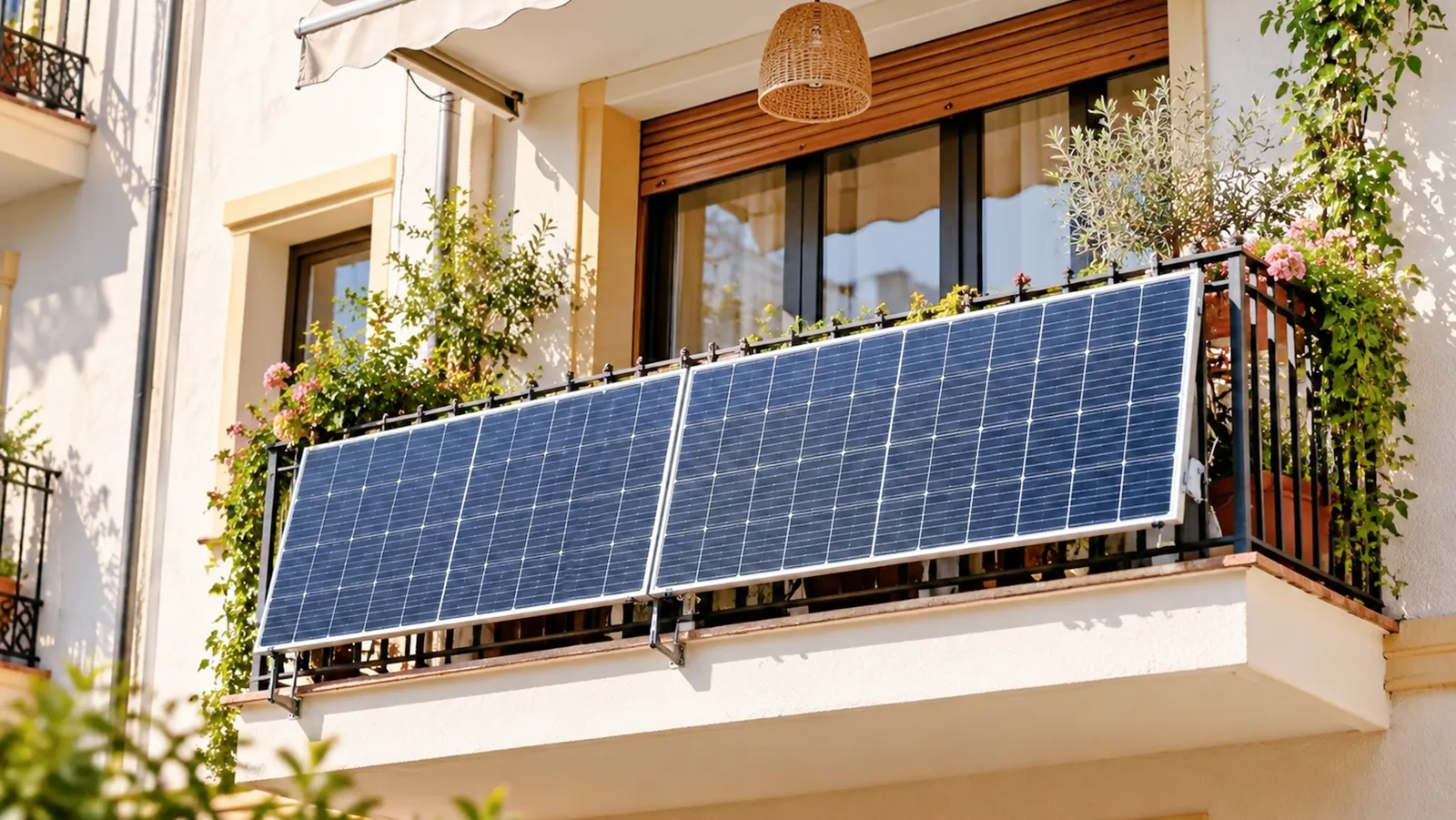
California aims to make it possible for almost any household to generate some of its own electricity, even when owners do not have a suitable roof for installing conventional solar panels. Governor Gavin Newsom signed three new energy laws on September 30, one of which focuses on simplifying the use of small plug-in photovoltaic systems.
This solution is particularly useful for residents in apartments, rental homes, or properties where a traditional solar installation is not feasible. These devices, commonly known as balcony solar panels, allow people to harness solar energy using a standard household power outlet, eliminating the need for the complex installations typically required by larger photovoltaic systems.
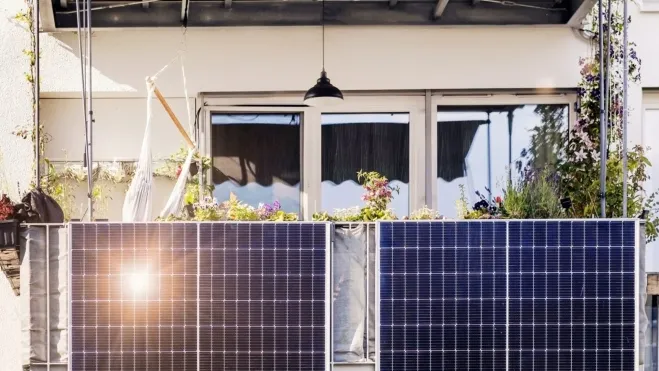
Solar panels starting at 425 euros that plug directly into the wall
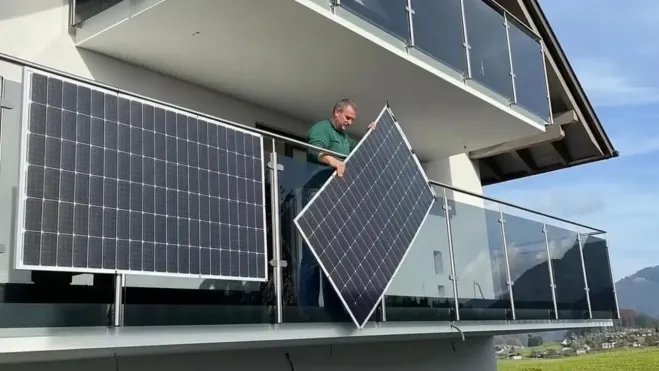
The new Plug and Play Solar Energy Law, identified as ‘SB 868’ and pushed by Senator Scott Wiener, establishes a specific framework for portable solar systems with a maximum combined power of 1,200 W of alternating current per household. They can be installed on sunny balconies, patios, or gardens and connected to a 120 V household outlet to power some of the typical home appliances.
The major innovation, however, lies in administrative simplification. Electric companies will no longer be able to require interconnection agreements, prior approvals, or specific fees from users of devices that meet the requirements. They can only request an electronic notification containing the device’s address, brand, model, and power capacity. The systems must be certified, comply with electrical codes, and include mechanisms to prevent electricity from being injected into the grid during outages. The exemptions provided under this law expire on January 1, 2030.
Electric cars and home batteries will also play a new role
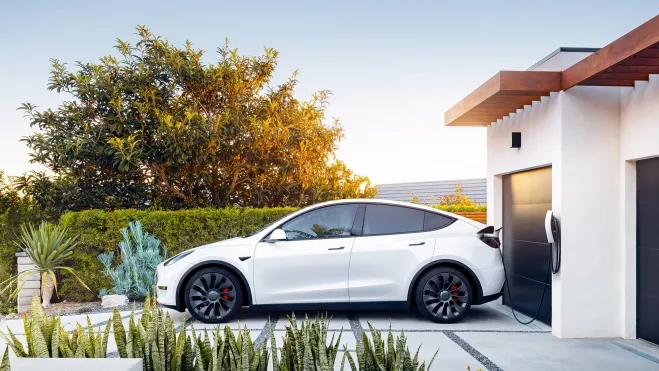
California has also passed 'SB 913', known as the Clean Local Energy Act and spearheaded by Senator Josh Becker. This legislation aims to make better use of energy resources already available in homes, including electric vehicles, home batteries, smart thermostats, and other devices capable of adjusting their consumption or supplying energy when needed.
The goal is to facilitate the operation of so-called virtual power plants. By coordinating numerous devices spread across different residences, these systems can help balance electricity demand and improve grid stability, potentially reducing the need for additional conventional power facilities.
The legislation requires regulators to improve mechanisms for accounting for these resources within the reliability standards imposed on electric companies. The deadline for making the necessary changes is June 30, 2028.
A third law aims to reduce bills by making better use of existing networks
The third law approved, 'SB 905', focuses on improving the utilization of current electrical infrastructure. It mandates that large private companies disclose information about their local network usage, available capacity during off-peak hours, and areas where limitations exist.
In addition, they must consider whether certain needs can be met through batteries or by shifting consumption to off-peak hours, rather than pursuing costly direct infrastructure expansions. The regulation also calls for reviewing the returns on electrical investments and exploring more affordable financing options.
Kat Lockwood, executive director of The Climate Center, praised the three initiatives: “These laws not only provide relief to Californians struggling with high electricity bills but also lay the foundation for progress on climate and affordability issues.”
