
Solar Panels in Parking Lots? Everyone Wants Them, But They’re Not Competitive Without Incentives
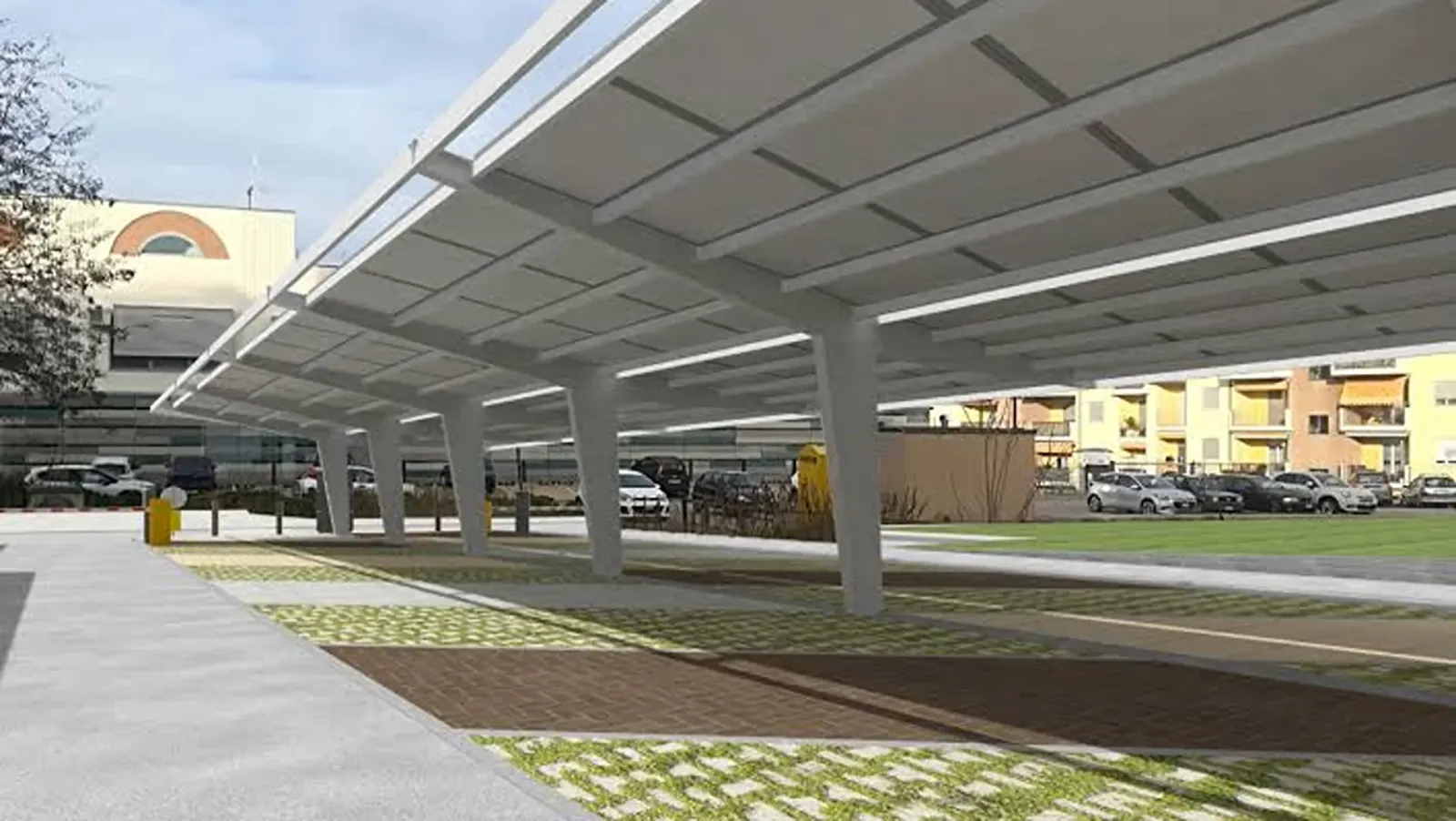
Solar parking lots, when read through the eyes of those who oppose solar power and many well-intentioned people, often become an excuse to shut down industrial facilities. However, the idea of relying solely on canopies, as some advocate daily, does not represent an economically sustainable solution. Those who actually manage these parking lots—specifically Coop Romagna—state this, emphasizing the lower competitiveness of canopies and offering a concrete proposal. They suggest that the state should help cover the cost of the structure, while they would commit to installing the panels in return.
The proposal: “Support for the structural framework; we’ll install the panels, and a charging network can be developed.”
Legacoop Romagna has submitted a proposal to all political parties ahead of the upcoming elections: supporting photovoltaic canopies in parking lots. “The idea is to focus support on the structural framework of the canopy and its auxiliary components, leaving only the cost of the power generation system to be borne by the investor. This targeted approach would address the factor currently hindering the adoption of this technology, making the investment finally viable in terms of timing. There are additional benefits as well: more shade, no waste of land, and an electric charging network that grows alongside renewable energy production, rather than operating separately.”
According to Legacoop, the energy targets for 2030 could be addressed through investments in parking lots. “Parking lots account for only about 0.15% of the national territory, less than one-sixth of the total area currently occupied by parking lots. In other words, space has never been an issue,” says Emiliano Galanti, Legacoop Romagna’s Energy Officer. “Large onshore or wind farms face years-long approval processes, while covered parking structures would require much shorter times, but the reason this type of structure isn’t adopted is economic.”
Eni gasoline with a price cap: is it now more cost-effective than electricity?
The investment does not yield a profit. “Unlike rooftop or ground-mounted solar panels, a canopy requires a robust structural framework (foundations, poles, beams), an additional cost that significantly prolongs the payback period for the investment. For this reason, despite its huge potential, canopies in parking lots remain a marginal option for many businesses and landowners.” It’s clear that this doesn’t solve the problem in parking lots, but it can represent an opportunity.
Funding Not Limited to Self-Consumption but Energy for the Grid
As we have documented in the Emilia-Romagna region, similar issues exist in Genoa as well, where a call for proposals was issued offering incentives to build corporate photovoltaic canopies. This measure is promoted by Legacoop, but representatives from the cooperative sector are calling for a shift from systems designed for the owner’s own consumption to ones that feed energy back into the grid. It represents a contribution to the national electrical system.
"Self-consumption is useful, but on its own it isn’t enough to shift the scales of the national economy, and especially not fast — emphasizes Paolo Lucchi, president of Legacoop Romagna. We ask those who will draft electoral programs to commit to a measure that funds the essential infrastructure and is designed for grid-connected systems capable of generating real additional power for the country in a short time. This is a proposal originating from Legacoop Romagna, but it’s not limited to the cooperative sector or just Romagna: we’re talking about businesses, shopping centers, hospitals, and public parking lots across Italy. Anyone with a parking lot can become part of the solution, and they can do so quickly."
Offshore wind: government cuts funding, Emilia Romagna and Puglia protest
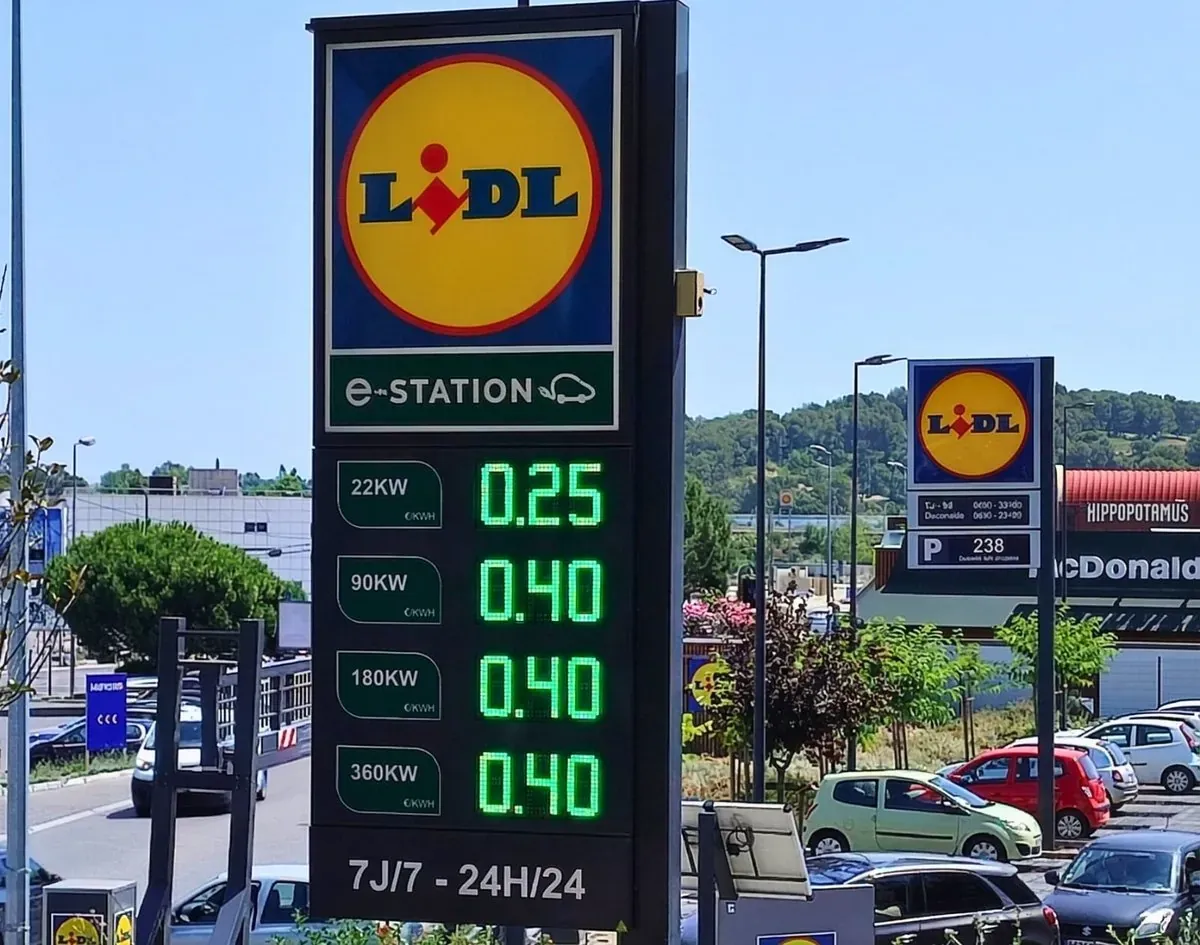
In short, there is space to be filled with panels, allowing us to go beyond self-consumption. This doesn’t include the opportunities offered by charging services, which are underdeveloped in Italian supermarkets but well-established in France, where competing chains compete to lower prices to attract electric vehicle owners. The rates have dropped below 20 cents, even becoming competitive with domestic prices.
READ ALSO: Those excluded from the charging station subsidy speak out in anger; watch the video
Previous Article
Nautics: The Netherlands leads in electric shipyards and battery-powered boats
Next Article
Wallbox: Installations up 273% in September; Motus-e discusses the timeline for subsidies