
Another Chinese manufacturer sets a date for its solid-state batteries: they will reach cars sooner than expected
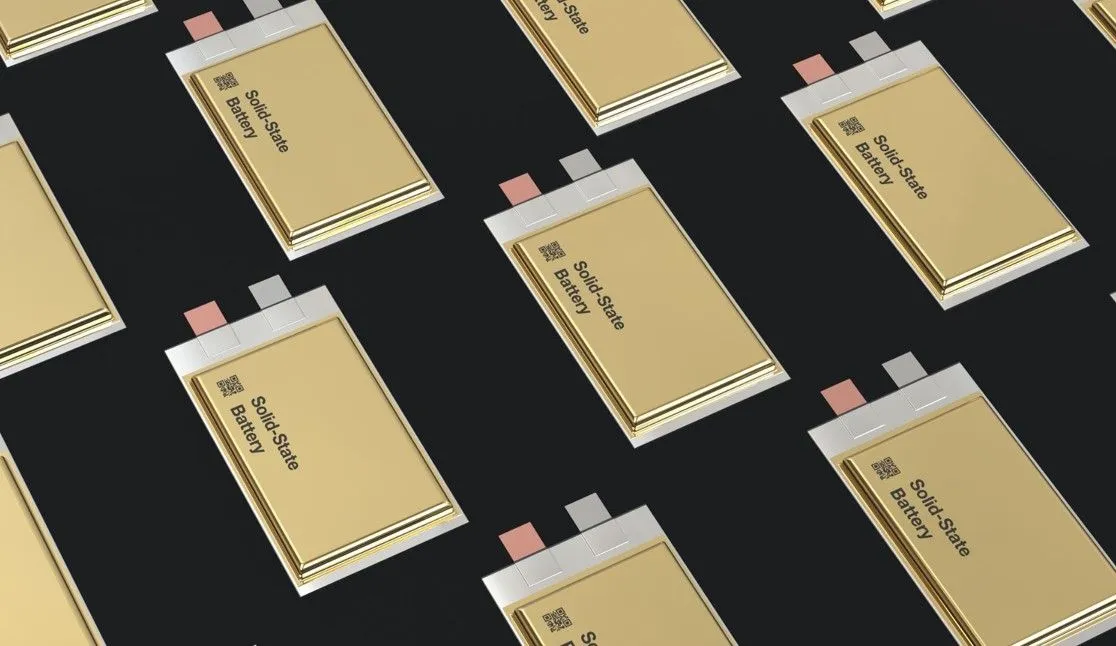
China has taken the lead in developing the next generation of batteries, regardless of their chemistry. The penultimate example comes from Li Auto, one of the country’s most important companies that has been working on a technology capable of marking one of the next major breakthroughs in the automotive industry for several years: solid electrolytes.
Research on solid-state batteries continues to advance, and prototypes for other products have already been developed. However, transitioning from the laboratory to mass-produced cars still presents significant challenges.
The Chinese company has already begun to gain independence in one of the most critical components of its electric vehicles. Over the past few months, it has accelerated the development of its own batteries and started integrating them gradually into models such as the Li L8, Li L6, and Li i8. Now, the next step is much more ambitious: getting solid-state batteries into its vehicles as well.
Li Auto targets 2027 or 2028 for its first solid-state batteries
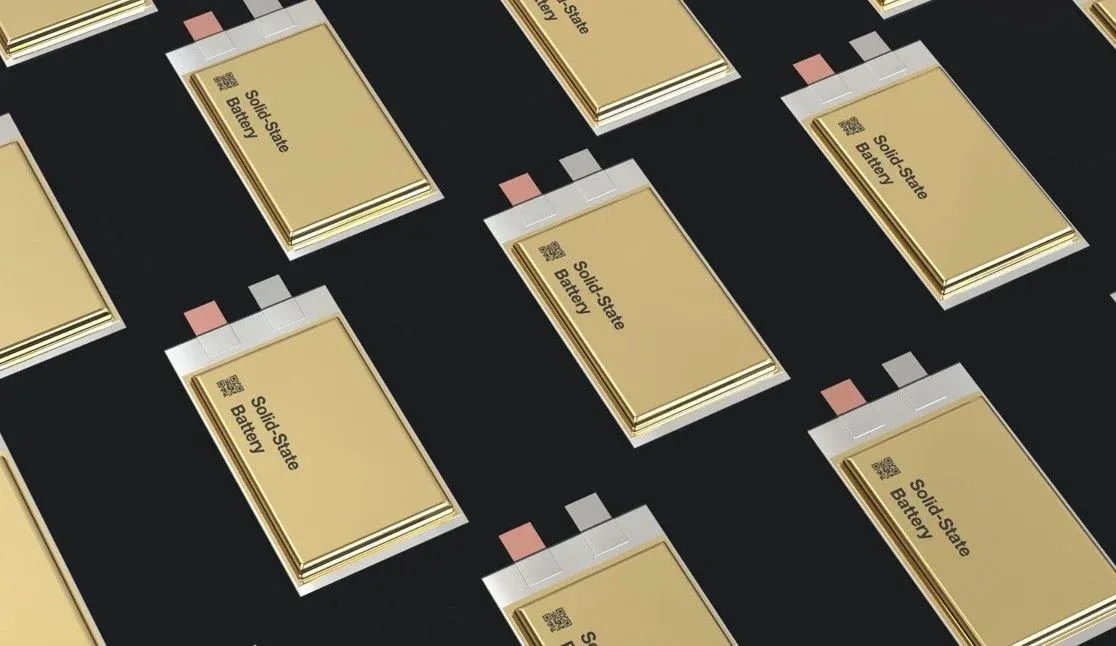
According to statements reported by the Chinese media outlet Cailian, Li Auto may conduct limited initial use of solid-state batteries in vehicles by 2027 or 2028. The information comes from Liu Zhimin, the company’s senior battery director, who explained that Li Auto is working on several projects related to this technology and that some prototypes have already been tested in products such as its smart glasses.
The date, however, holds special significance. Talking about limited use in 2027 or 2028 does not mean that Li Auto will start mass-producing electric cars with solid-state batteries at that time. In fact, the company itself believes there are still about five years left before achieving mature production for vehicles, especially if adequate levels of reliability and user experience are to be maintained.
The main challenge lies in getting all the components to work together simultaneously. Solid-electrolyte batteries promise significant advantages over current lithium batteries, particularly in terms of energy density and safety, but they still need to address issues related to lifespan, charging speed, and manufacturing cost.
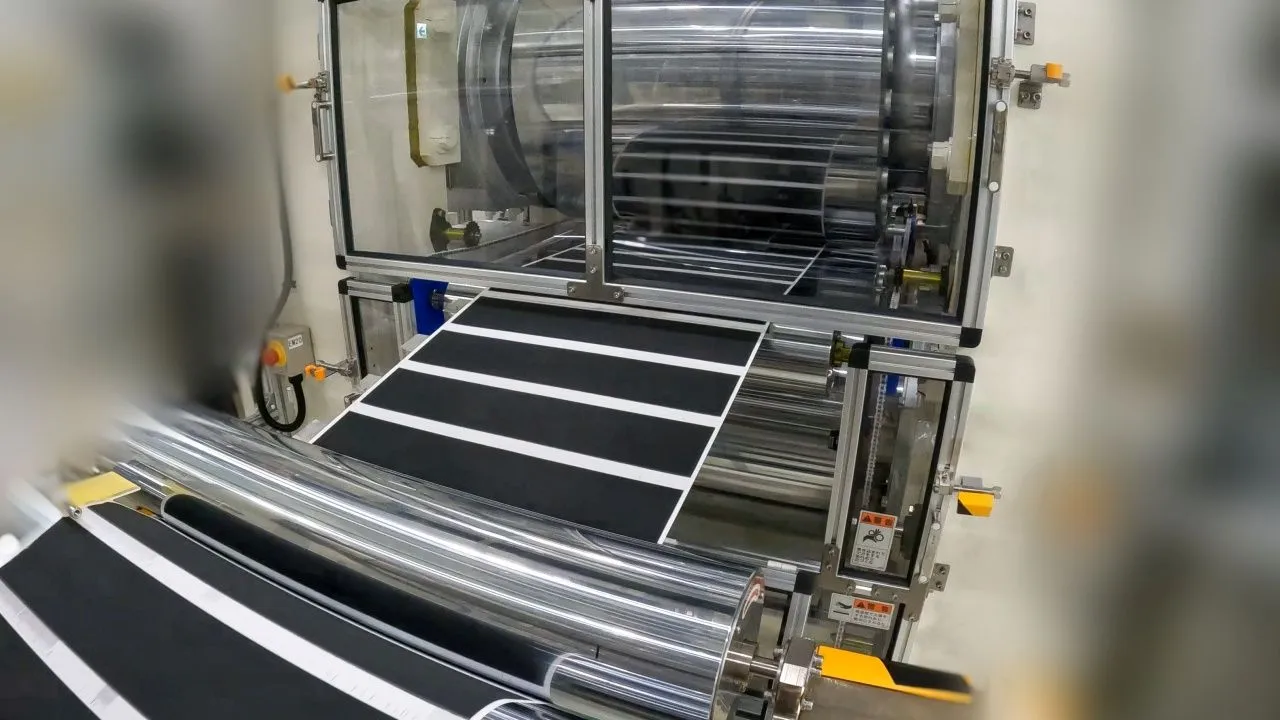
It is these three points precisely that Li Auto considers still unresolved. It is not enough to have a cell capable of offering higher energy density under laboratory conditions. To install it in a car, it must be able to withstand thousands of cycles, function properly at different temperatures, maintain high charging performance, and also be manufactured at a reasonable cost.
Li Auto itself had already explained this summer that it is researching solid-state batteries as a long-range technology. Liu Zhimin noted at the time that the company is evaluating when this technology can move from being a technical project to becoming an actual product for use in vehicles. The company aims for any new generation of batteries to deliver tangible improvements in areas such as charging speed, range, durability, and cost.
Therefore, the 2027 or 2028 timeline should be viewed as a possible first step, not the start of replacing current batteries across the entire lineup. The time it takes to validate a technology, install it in a limited number of cars, and achieve large-scale production can vary by several years.
In the meantime, Li Auto is pursuing a much more immediate path. The company announced in early September that its in-house developed batteries will be gradually rolled out to its entire lineup. The Li L8, Li L6, and Li i8 already use this technology, while the new Li Mega, Li i9, and Li i6 will adopt it throughout the second half of 2026.
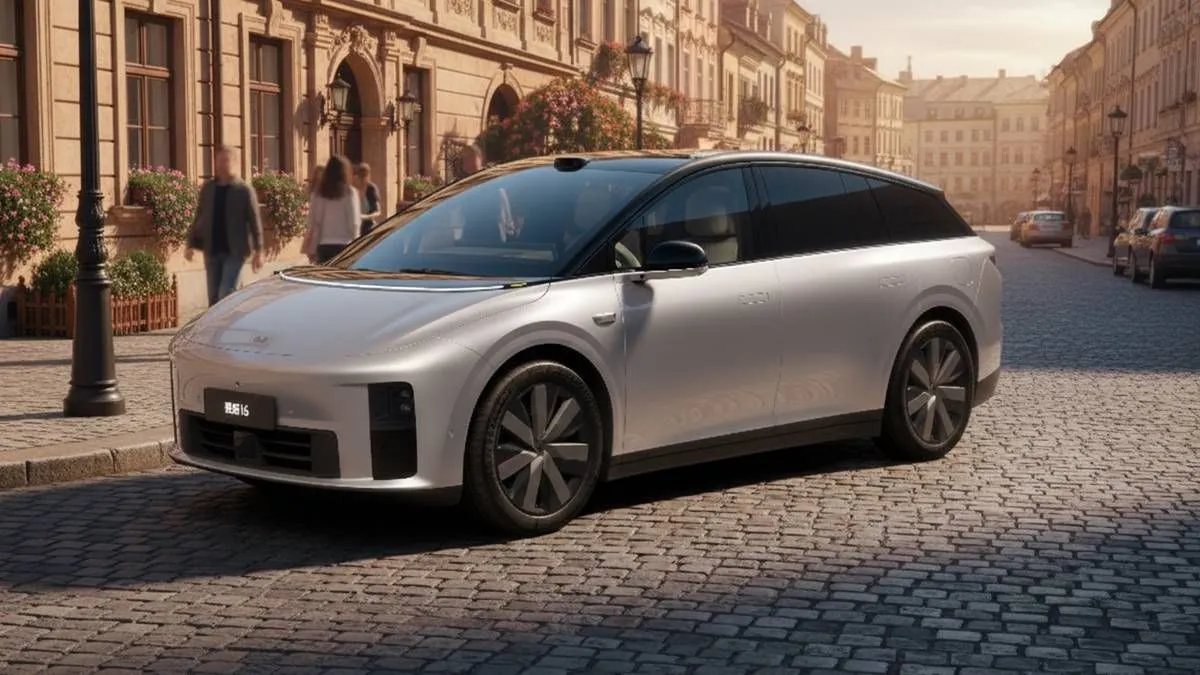
In the case of the new Li i9, for example, the first units use CATL batteries, but Li Auto plans to switch to its own 5C batteries once production capacity increases. The Li i6 will also come equipped with a 5C battery developed by the company itself, along with its in-house chip.
This strategy also explains why Sunwoda is gaining importance for Li Auto. The two companies established a joint venture in 2025 focused on manufacturing batteries developed by Li Auto, with each holding a 50% stake. Additionally, in early September, Li Auto announced an investment of around 2.65 billion yuan, or about $390 million, in Sunwoda Electric Vehicle Battery, which will give it direct control of 8.79% of the company.
All of this suggests that Li Auto is first building the necessary industrial capacity to manage its current batteries before making the final leap to solid-state batteries. The company began working on in-house cell development in 2020 and is currently focusing on areas such as 5C cells, battery packs, and battery management systems.
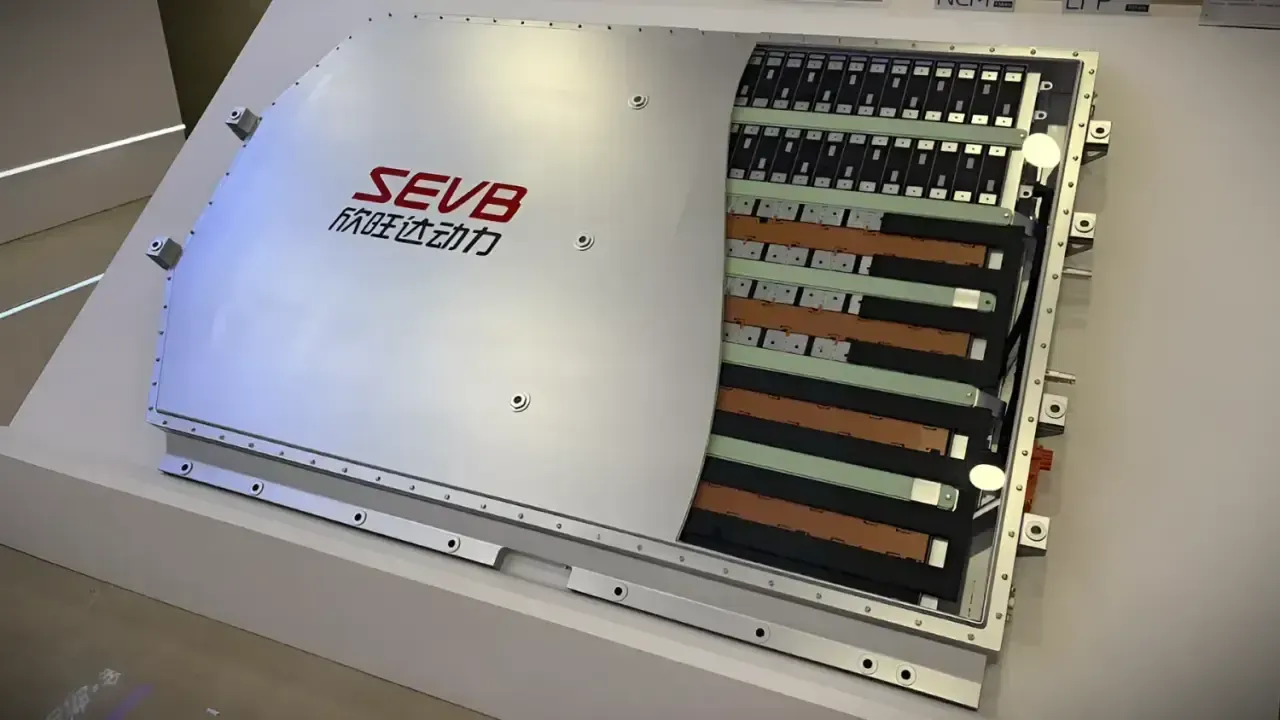
The move is not exclusive to Li Auto either. Other Chinese manufacturers and suppliers are setting 2027 as a key year for solid-state batteries, though their timelines differ. For example, Chery has announced it plans to begin testing vehicles with fully solid-state batteries in 2027, while CATL has also set its goals for achieving the technological readiness needed for initial small-scale production during that period.
Even within CATL, there is emphasis on the significant gap that still exists between having a functional technology and achieving mass production. The company’s president, Robin Zeng, recently described solid-state battery technology as still far from being ready for large-scale manufacturing.
Therefore, 2027 and 2028 could become the first years when we see solid-state batteries in some production cars, but that doesn’t mean they will immediately become the dominant alternative. In the case of Li Auto, everything points to a gradual strategy: first developing the technology, then testing it in limited applications, and only once costs, lifespan, and charging issues are sufficiently resolved, considering its introduction on a larger scale in production.
The company also has another incentive to avoid rushing. Its current 5C battery generation is being used as a cornerstone of its new technological strategy and is being rolled out across the entire product range. With this approach, Li Auto aims to take greater control over critical components in its electric vehicles and reduce its reliance on external suppliers, while keeping the door open for a much more ambitious technology in the years to come.
So while Li Auto may already be looking toward 2027 or 2028 for its first applications in vehicles, it will still take time before solid-electrolyte batteries can become a standard technology in its lineup. The real challenge won’t be proving they work, but rather achieving stable, durable production at a price point that makes it feasible to install them in vehicles manufactured in large quantities.