
Another Chinese manufacturer is betting on production in Europe: GWM will assemble the Ora 5 in Bulgaria
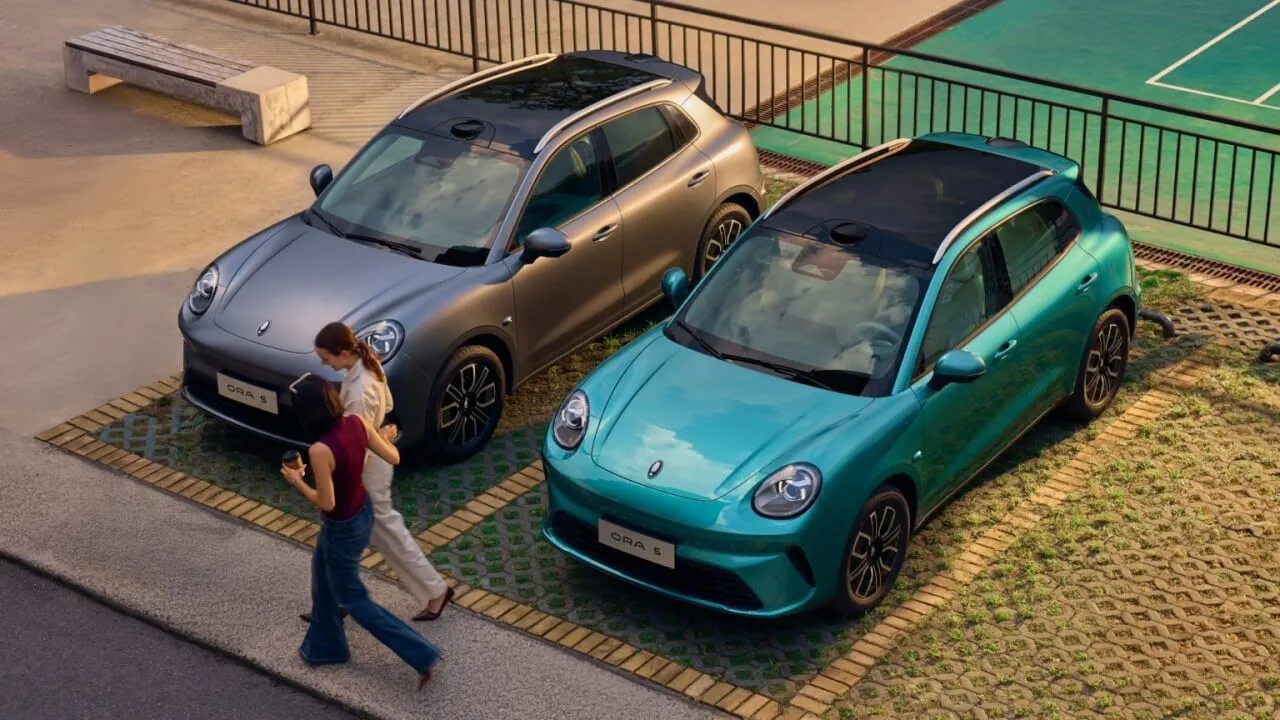
Great Wall Motor wants to try again in Europe, but this time with an industrial strategy to support its new vehicle launches. The Chinese company was one of the first to enter the continent, yet its commercial presence lags far behind that of other Chinese automakers there. Now it is preparing for a new phase in which manufacturing near its customers will play a key role.
GWM will begin producing the Ora 5 electric vehicle in Bulgaria during the first quarter of 2027. This will be done through an agreement with Bulgaria Automotive Industry, which operates a factory in Bahovitsa, near the city of Lovech. The facility is expected to have a capacity of 50,000 cars per year, though the company has not disclosed the financial details of the agreement.
The launch has a precedent worth remembering. Great Wall began assembling cars in Bahovitsa in 2012, then together with Litex Motors, using the Voleex C10 as the first model. Thus, rather than an absolute debut of the brand as a manufacturer in Europe, this is another attempt to capitalize on a location it already knows well.
This move comes as Chinese manufacturers accelerate their plans for European production to support growth and reduce exposure to trade barriers. For GWM, electric cars imported from China face an additional 20.7% tariff on top of the regular 10% imposed on car imports. This is compounded by uncertainty regarding restrictions on hybrids from that Asian country.
Nicole Wu, GWM’s technology director, summarized the group’s goal during its tech event in Milan: “We don’t just want to sell cars in Europe—we want to be part of Europe.” The statement comes alongside a plan to combine local research, development, and production with closer ties to European suppliers and partners.
The Ora 5 electric vehicle will mark a new industrial era for GWM
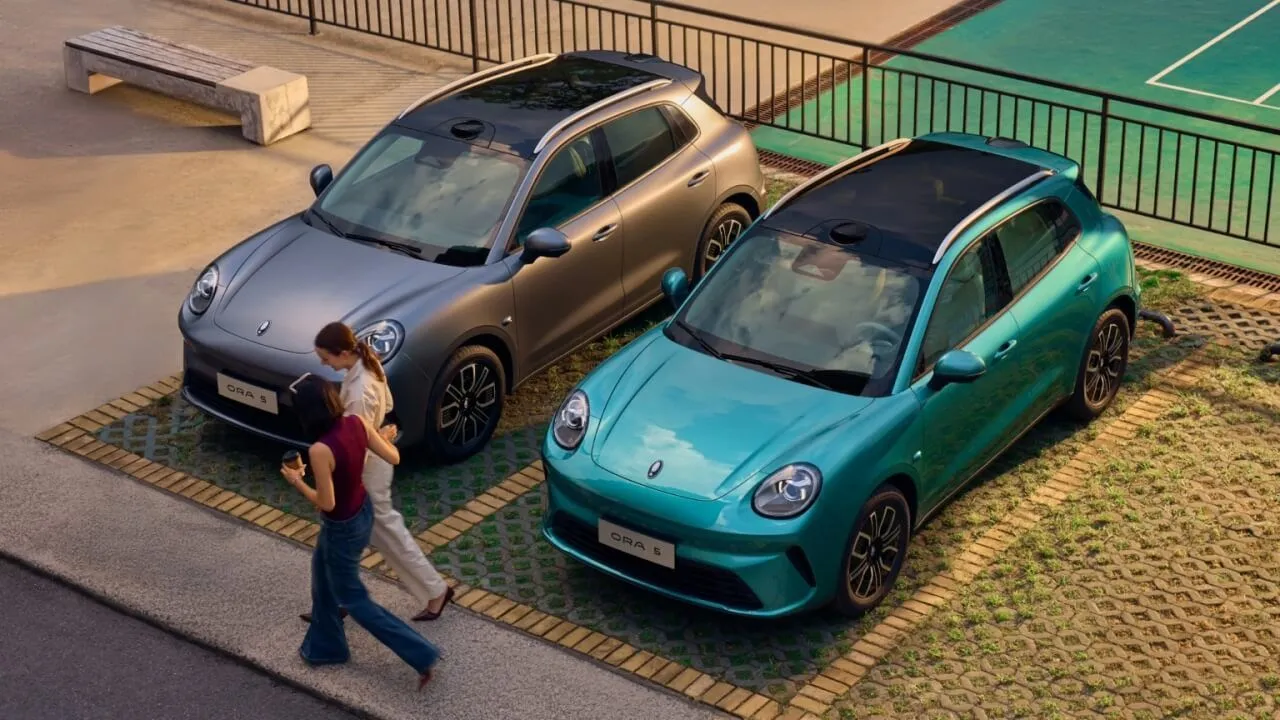
Although the European version of the Ora 5 includes electric, hybrid, and gasoline variants, production in Bulgaria will begin with the electric version. GWM plans to add other powertrains and models later. The announcement does not specify the timeline for this expansion or which other cars will share the facilities.
Production will start using the SKD assembly system, which involves importing partially assembled kits and completing the car at the destination plant. This is an important detail for understanding the initial scope of the project: full manufacturing of all components in Bulgaria will not begin right away. Wu has confirmed that some parts will be locally sourced from the start.
This plant is part of much broader goals. A GWM executive told Reuters last year about the intention to achieve production of 300,000 cars in Europe by 2029. The capacity announced in Bulgaria would cover only a portion of that figure, so the company would need to expand its industrial infrastructure to meet it.
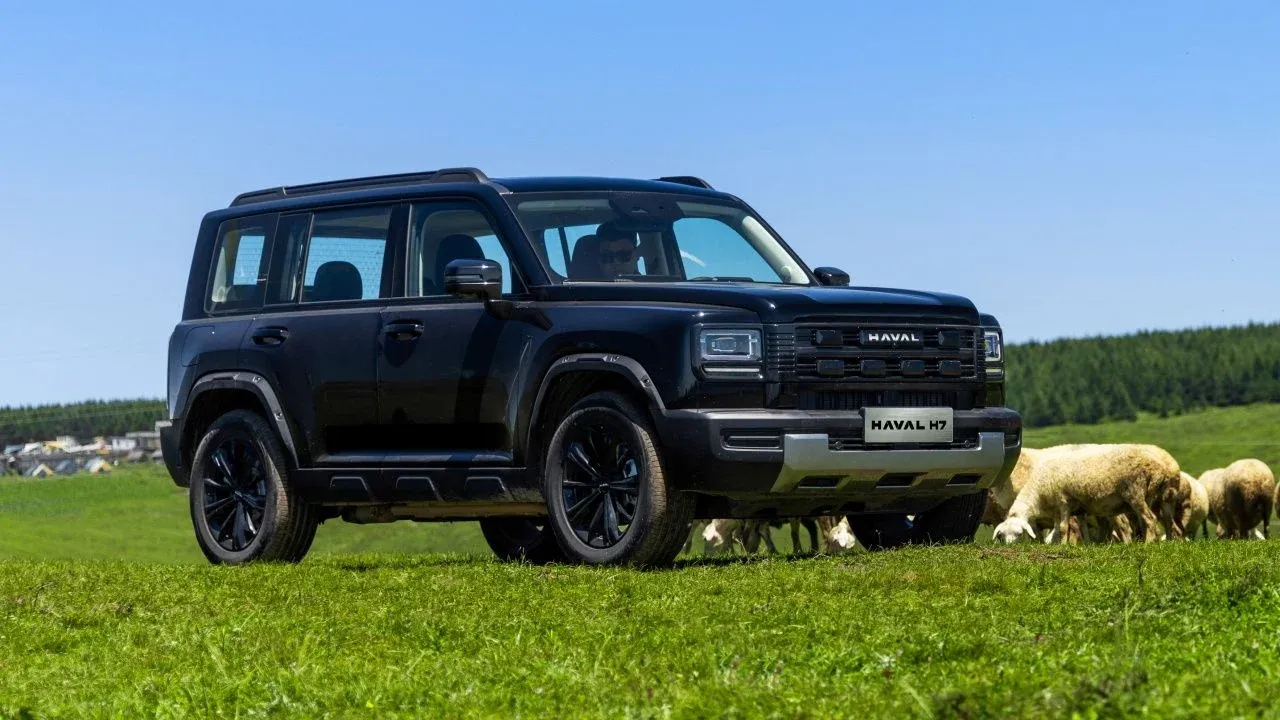
Local production will also accompany a renewal of the product lineup. GWM plans to introduce at least ten new models and derivative versions over the next two years, with a range that won’t rely solely on electric vehicles. The manufacturer aims to reach more buyers after its previous efforts failed to achieve the expected volume.
To develop these products, it has a research and development center in Munich that has been operational since 2021. Its tasks include studying the needs of European customers, ensuring compliance with regulations, and testing the vehicles. This is crucial work for a brand that needs to turn its new launches into sustained sales.
The starting point is modest. While BYD and Chery have grown rapidly in Europe, GWM ended 2025 with only 3,500 cars sold, nearly 30% less than the previous year. The gap between these results and its ambitions explains the depth of the changes it is preparing for.
By 2027, the group has set a target of 60,000 sales in Europe, more than 17 times the volume recorded in 2025. In the long term, it aims to capture between 3% and 5% of the European market by 2030. These are ambitious goals for a company that still needs to prove it can compete here with the same strength as other Chinese manufacturers.
The Ora 5 will thus be more than just a new model in its catalog: it will mark the beginning of European assembly. The factory can help sustain growth, but the commercial challenge remains. GWM needs its new lineup to find the buyers it has lacked so far, and the timeline leaves little room to achieve this.