
Electric motors are better, and these numbers explain why.
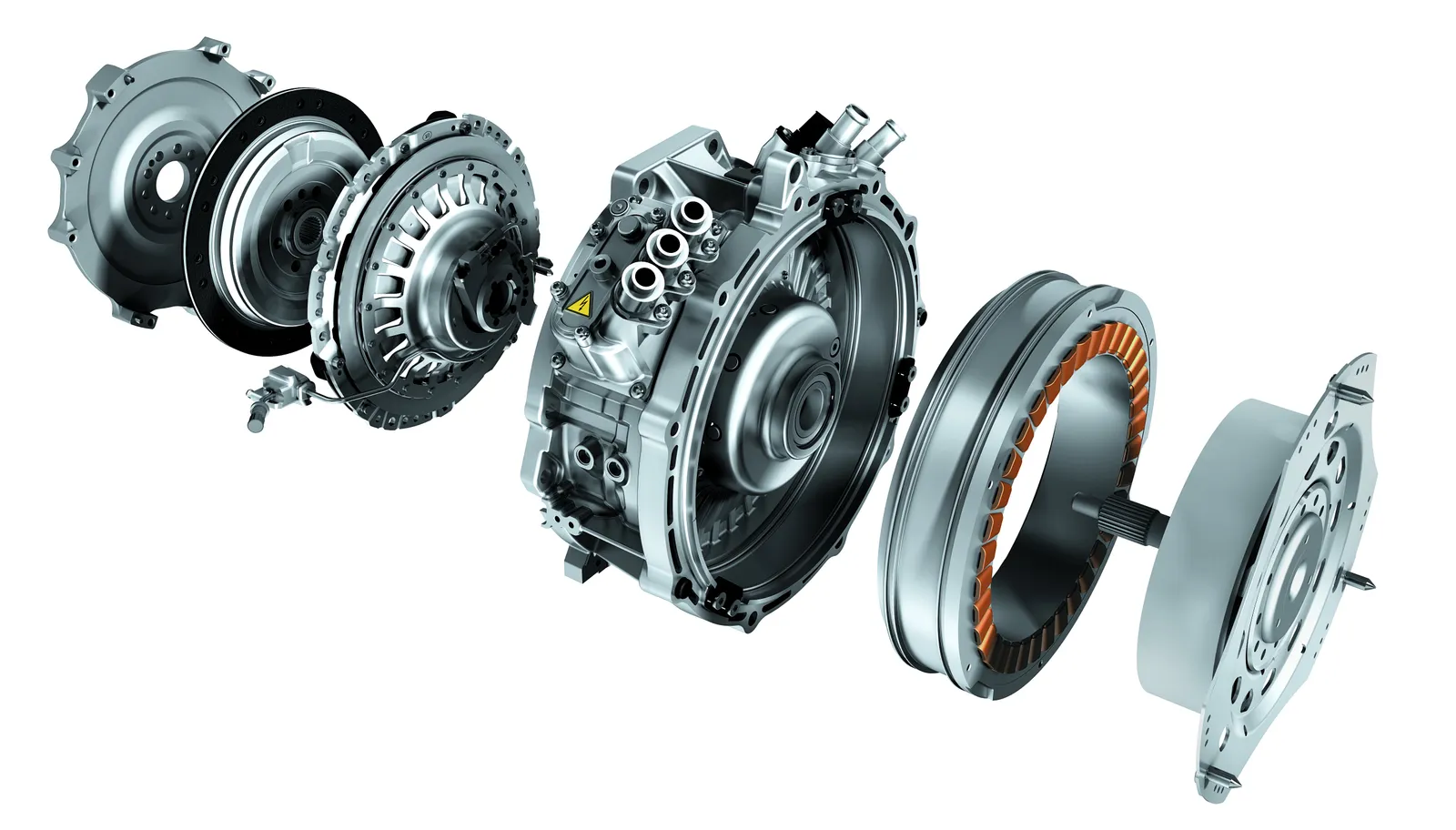
Electric motors are superior to internal combustion engines in almost every aspect. And the difference is greater than many people realize.
We can discuss range, charging time, batteries, and even price. But there is one undeniable advantage that all electric vehicles possess: their motors.
This isn’t a matter of personal preference, nor is it meant to alone describe my opinion on electric cars. But from a technical standpoint, electric motors are superior. And if we look at the numbers, it’s easy to see why.
Electric motors can convert much more energy into motion, take up less space, have fewer components, and are cheaper to produce compared to equivalent internal combustion engines.
Over 90% efficiency
Let’s start with efficiency. According to data from the European Commission, electric motors can achieve efficiency levels above 90%. In other words, more than 90% of the energy supplied to the motor can be converted into mechanical energy.
In contrast, internal combustion engines operate very differently. Even the most efficient models rarely exceed 40% thermal efficiency (for gasoline engines). This means that the remaining 60% is wasted as heat through exhaust, the cooling system, and the engine’s own operation, as well as through mechanical losses (friction from moving parts).
Internal combustion engines have come a long way and are more advanced and efficient than ever. But the fact remains that, according to the numbers, more than half of the energy contained in fuel still doesn’t reach the wheels.
Here, it’s a clear victory for the electric motor, which also has another important advantage: it can recover some of the energy during decelerations, acting like a kind of generator to recharge the battery.
Lighter and cheaper
According to a report published in 2025 by the International Energy Agency (IEA), an electric propulsion system is about 60% cheaper and nearly three times lighter than a combustion system with equivalent power. And the explanation boils down to just one thing: mechanical simplicity.
A combustion engine has pistons, crankshafts, camshafts, valves, and intake, lubrication, and cooling systems. To this are added the exhaust system, the gas treatment system, and the gearbox, which can be more or less complex.
In an electric motor, the operation is much simpler. There are only two fundamental components: the stator, which is the fixed part of the motor; and the rotor, which is the rotating part. When electricity passes through the stator, it creates a magnetic field that causes the rotor to spin, thereby moving the wheels.
Naturally, an inverter is also required to control the motor’s operation and convert the battery’s direct current into alternating current. A cooling system and a transmission are also needed, with most electric vehicles using only one gear ratio. Even with these components, the entire electric motor remains much simpler due to the use of fewer moving parts and components.
While a combustion engine needs to reach a certain operating speed to achieve its maximum torque, an electric motor can reach that peak almost right from startup.
This is why we see so many electric vehicles easily accelerating from 0 to 100 km/h, even when they don’t have particularly high power outputs.
But if we want to talk about power, electric motors can deliver it as well, given how easily torque can be extracted from them. And it’s all very smooth, without the “jumps” caused by gear shifts, no vibrations, and no noise.
But there’s a problem…
Despite all these advantages, the engine represents only one part of the equation for electric vehicles. And even though it is simpler, more compact, and cheaper, storing electricity remains substantially more expensive and heavier than storing gasoline or diesel.
I repeat: it’s a matter of numbers and science. Liquid fuels have a much higher energy density than current batteries, and this fact outweighs any opinion in favor of or against electric vehicles.
That’s why electric vehicles are still more expensive than their combustion-engine counterparts. Batteries still account for a significant portion of the production cost of an electric car, in addition to the “burden” they impose on the overall weight of the vehicle.
We can also talk about refueling, which is much faster and simpler in a car with a combustion engine than in one with a 100% electric engine, which requires longer charging times and appropriate infrastructure. Here, the combustion engine has an easy victory.
So where do we stand?
I know many people will look at the title of this article and stop there. From those, I expect tough comments and strongly held opinions that will always conclude with the “old reliable” combustion engine winning any comparison made against it.
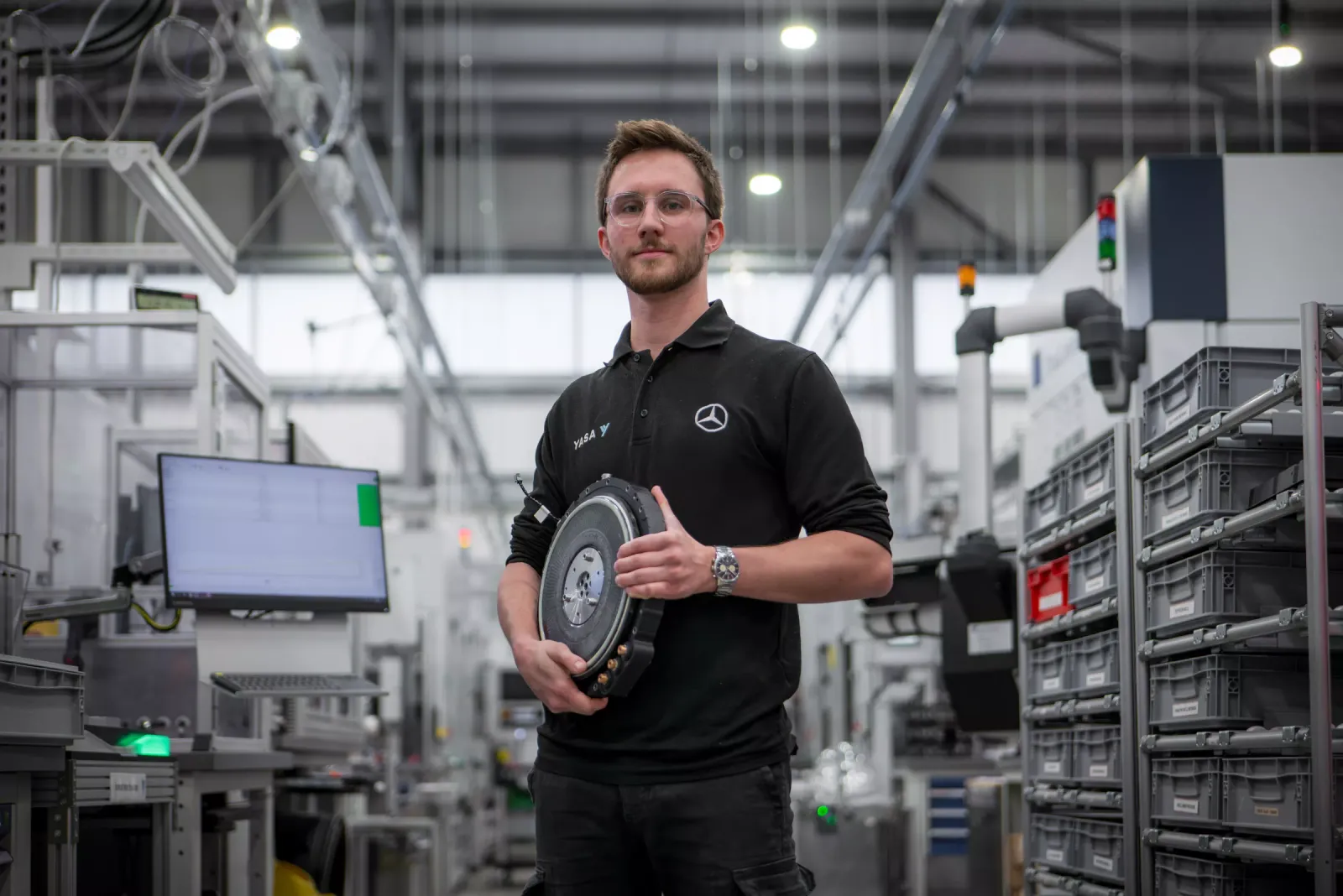
But as I wrote at the beginning, this is not about electric cars. It’s about electric motors. And when it comes to efficiency, weight, size, simplicity, and cost, the advantages are all on the side of electric motors. It’s a clean victory.
Amidst all the intense debates between the pro-electric and pro-fuel communities, little attention is paid to the technical marvel that electric motors are. Not long ago, we learned about an axial flux electric motor weighing just 13.1 kg, capable of generating 550 kW, equivalent to 748 horsepower. Or, in other words, about 57 horsepower per kilogram. And this, gentlemen, is extraordinary. There’s no other way to put it.