
Resistance or compromise? South Korea refuses to certify FSD as a non-autonomous system (Level 2) but rather as semi-autonomous?
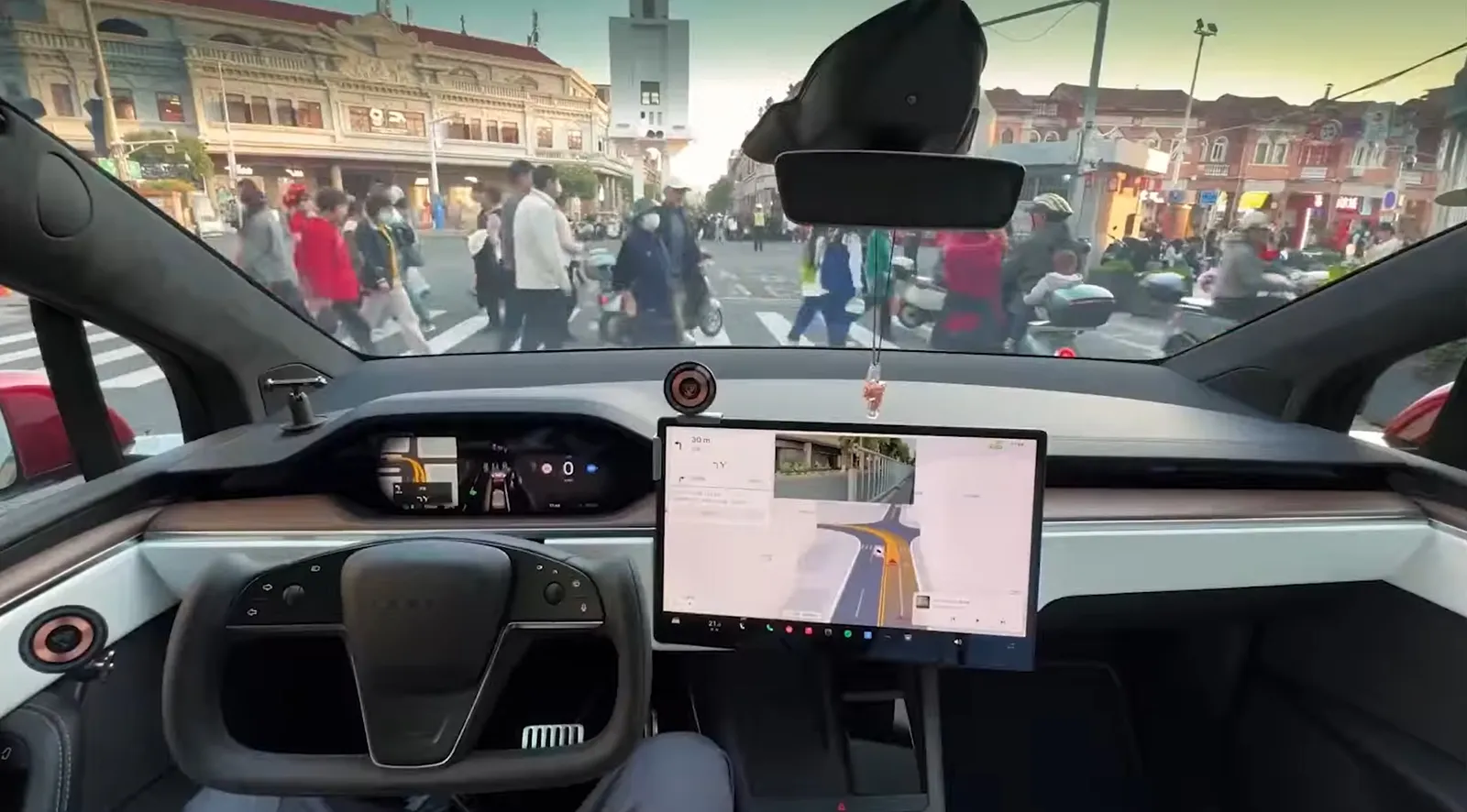
The South Korean Ministry of Land, Infrastructure, and Transport is preparing to amend regulations governing the use of advanced driver assistance systems (ADAS, here: DCAS) in vehicles. However, Tesla’s FSD (Supervised) is reportedly officially excluded from these efforts because it is classified as a Level 3 autonomous driving system (SAE Level 3), whereas DCAS only covers non-autonomous driving systems up to Level 2.
Is FSD (Supervised) classified as it actually is, or as the manufacturer claims on paper?
Table of Contents
Is FSD (Supervised) classified as it actually is, or as the manufacturer claims on paper?
Conclusions
The ministry’s decision, if confirmed by facts, could have extremely significant consequences, which is why some in the industry doubt such a definitive exclusion. The issue is that systems up to SAE Level 2 inclusive are non-autonomous systems that require constant human presence and hands on the steering wheel. Full autonomy begins at SAE Level 4. The aforementioned Level 3 is transitional, allowing for a form of autonomy (semi-autonomy, conditional autonomy), where a person can remove their hands from the steering wheel and stop watching the road under certain circumstances.
In the event of an alert, it is supposed to take control of the vehicle within 10 seconds.
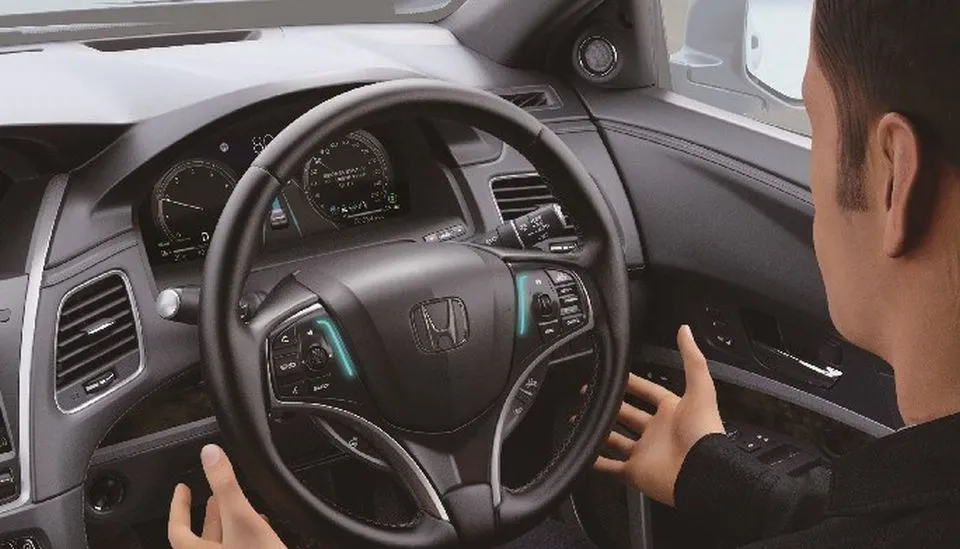
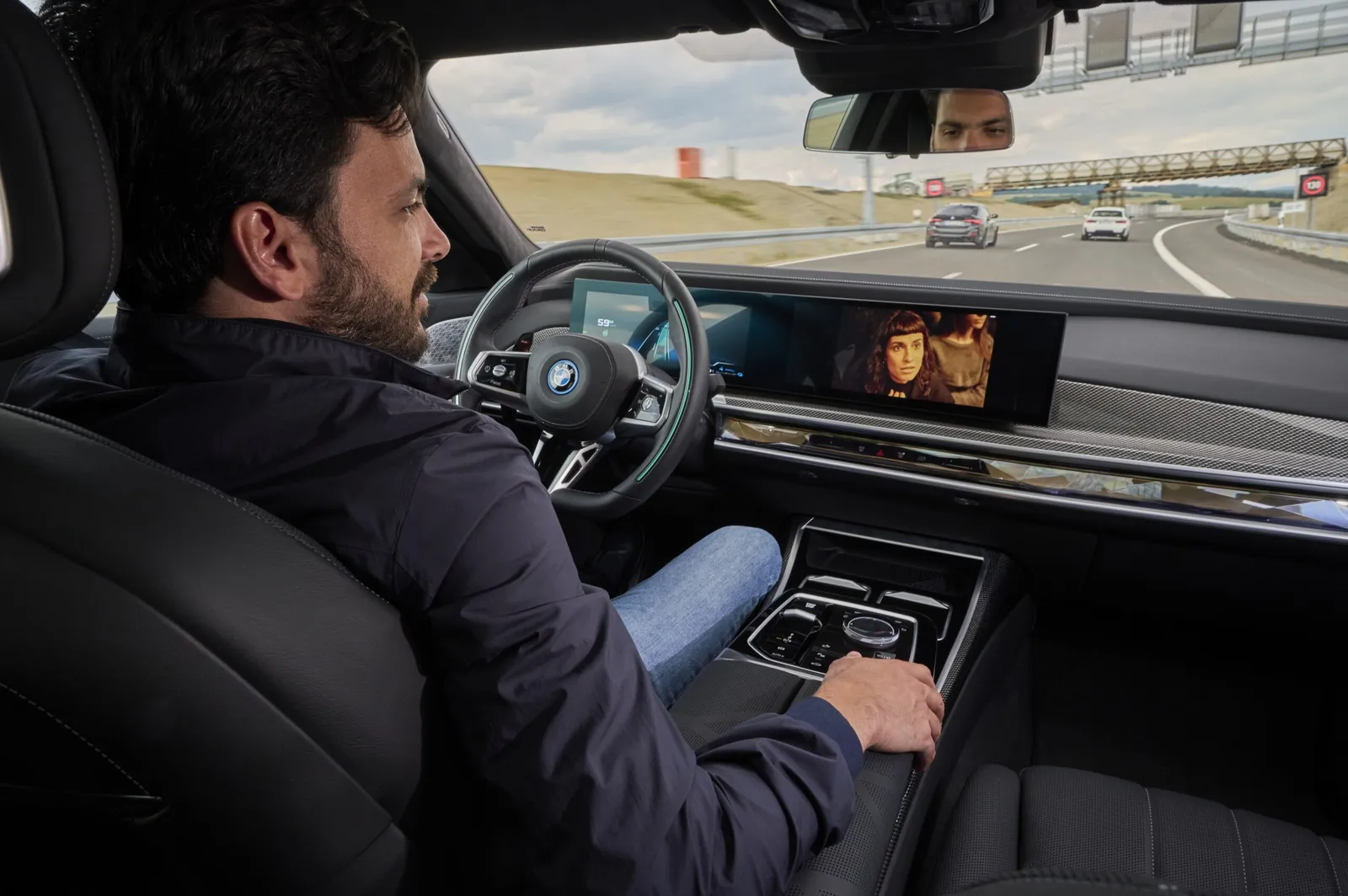
Honda’s Level 3 system was advertised as requiring focused driving. In the case of BMW (illustration below), the driver could get distracted by watching a movie.
FSD (Supervised), according to the manufacturer’s description, is a Level 2 system that requires constant supervision, as reflected in its name. However, in Tesla’s promotional videos, drivers do not keep their hands on the steering wheel. People testing the software on their own adopt the same posture. From the perspective of this simple gesture (“Supervised”), FSD resembles Level 3 systems that are subject to entirely different regulations, namely guidelines from the United Nations Economic Commission for Europe (UNECE) or local laws and permits.
Conclusions
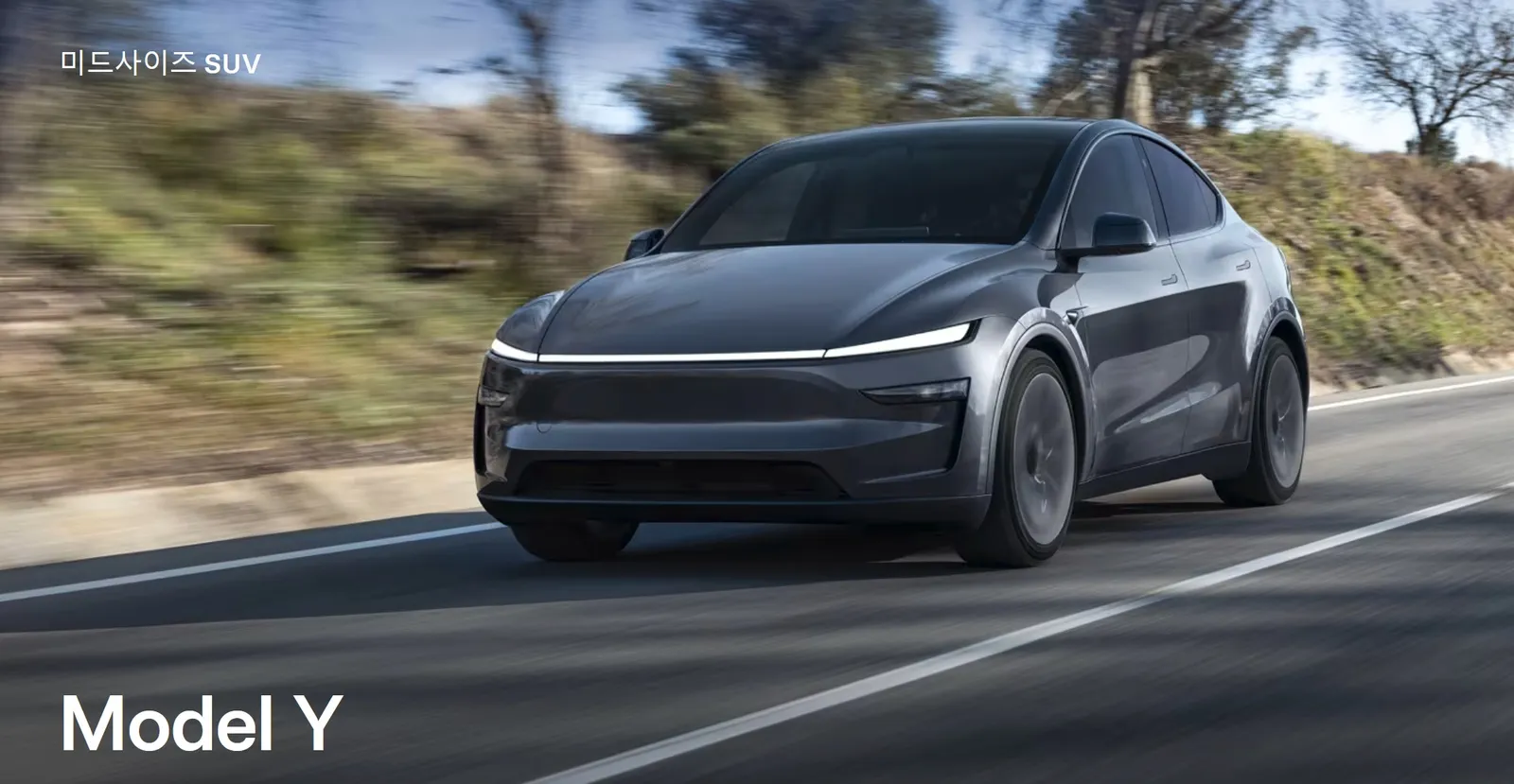
South Korea differs from the European Union in that it does not automatically adopt UNECE guidelines. However, it actively participates in their development and accepts a significant portion of the regulations with modifications. The specific exclusion of FSD (Supervised) from the revisions could be interpreted in several ways: 1/ The government wants to limit Tesla’s expansion in South Korea to protect its own industry, as the Model Y has recently become the most popular car sold there overall, a feat no vehicle from outside South Korea has ever achieved (source).
An alternative interpretation suggests an official decision to pursue FSD (Supervised) along a separate path, so as to create a legislative framework for semi-autonomous and fully autonomous driving systems. It is possible this framework could be based on UNECE regulations. Another option is simply a response to Tesla’s request for conditional homologation of FSD (Supervised) in the market — in this case, the initiative would come from the manufacturer, but the ministry would be obligated to keep it confidential.
Article Rating
Readers’ Ratings
[Total: 0 votes Average: 0]
Don’t miss new content — CLICK and FOLLOW Elektrowoz.pl on Google News. You might also be interested in the following ads: