
Opel Corsa GSE vs. its rivals: Is it the new king of compact electric sports cars?
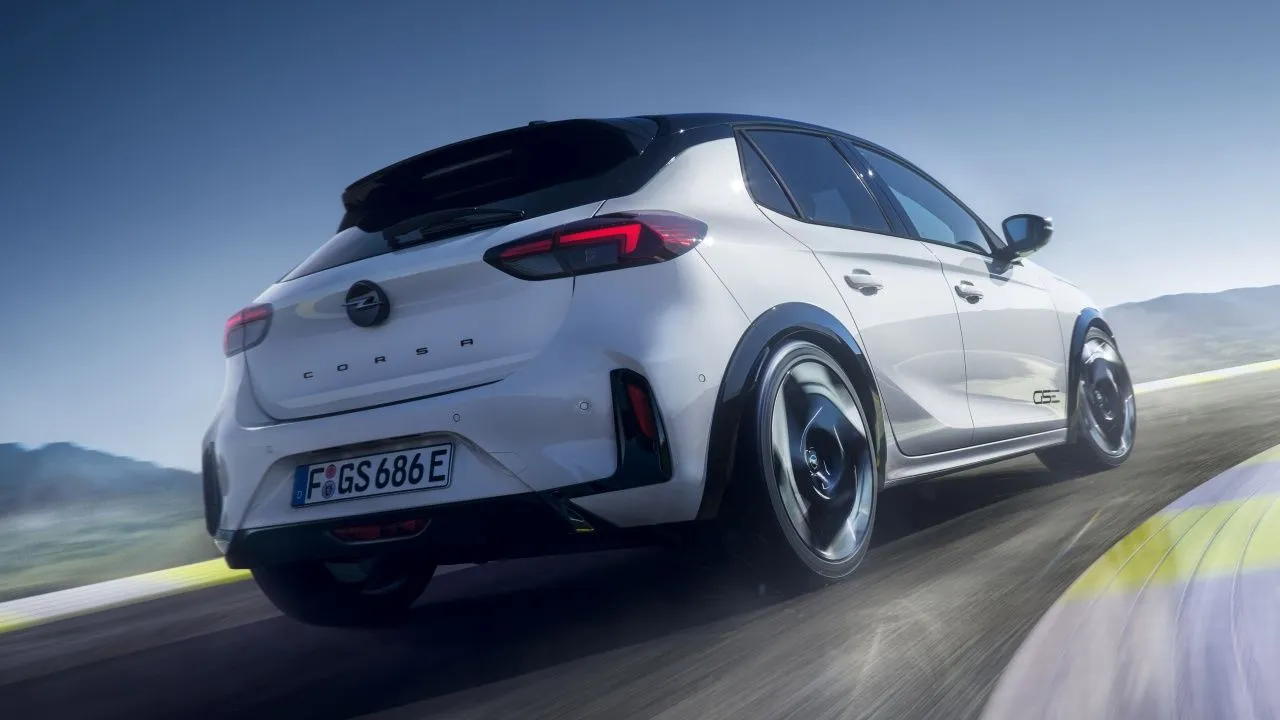
The Opel Corsa GSE arrives late, but it comes determined to reclaim a market share that seemed lost. After seven years of the current generation of Corsa, Opel has decided to revive one of the brand’s most beloved namesakes, though with a completely different approach: where there was once gasoline and a manual transmission, there are now 281 horsepower from electric power, aggressive acceleration, a locking differential, and a chassis tuned for true driving pleasure.
The interesting thing is that the Corsa GSE isn’t here to pave the way. In recent years, several electric SUVs have emerged, proving that electrification doesn’t have to eliminate fun small cars. The Peugeot E-208 GTi is likely its most direct rival, but there’s also the Alpine A290, the Lancia Ypsilon HF 280 CV, and, if we broaden the segment concept a bit, the electric MINI John Cooper Works.
In fact, comparison with the Peugeot E-208 GTi is inevitable. Both belong to the Stellantis group, share much of their technology, and use the same 207 kW electric motor, equivalent to 281 horsepower with 345 Nm of torque. Both also rely on a 51 kWh usable battery. On paper, they’re almost twins, but the appeal lies in how each brand has tailored the chassis and driving dynamics.
Corsa GSE, E-208 GTi, A290 and Ypsilon HF: four ways to understand a small electric sports car
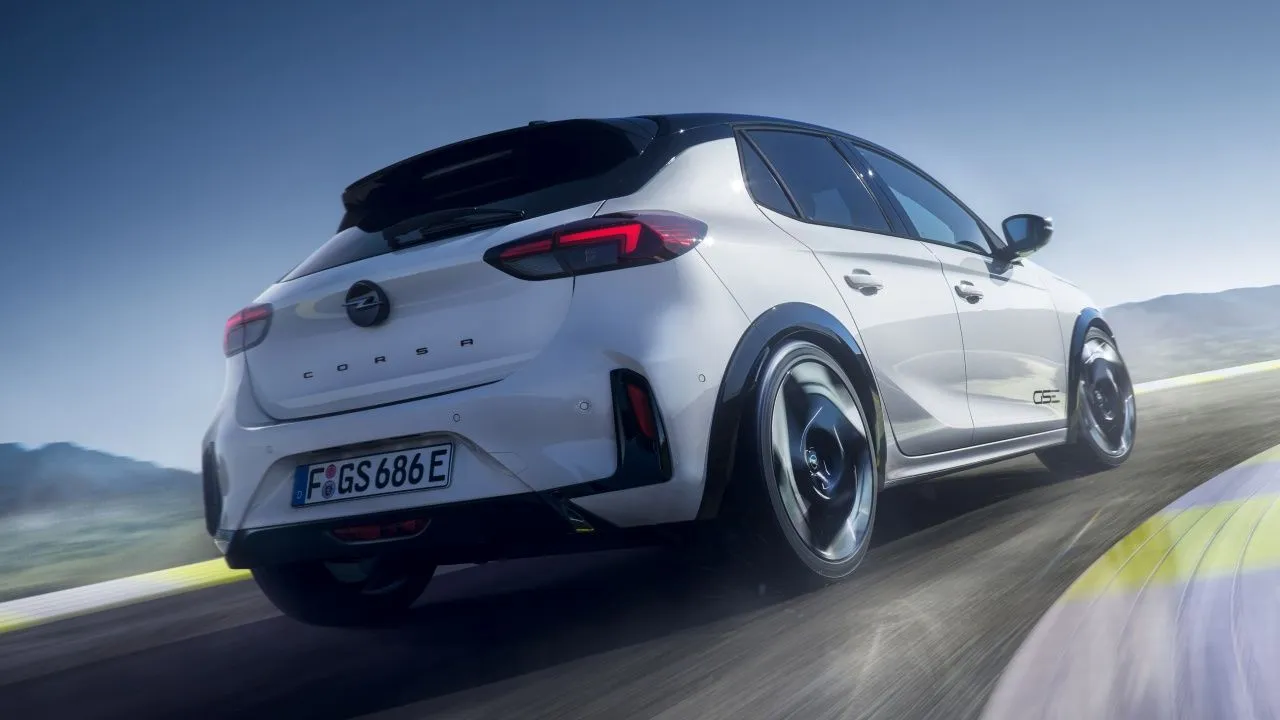
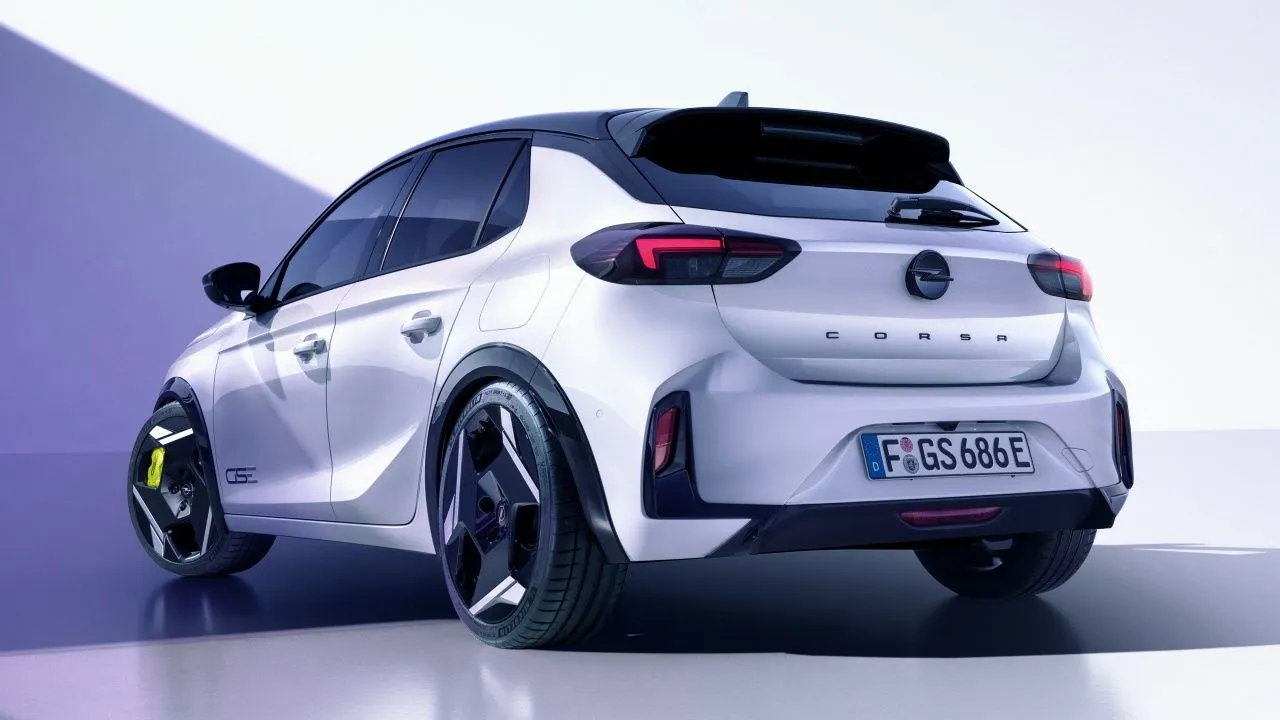
The Opel Corsa GSE starts from a particularly interesting foundation for those who still view a small sports car as a vehicle that must be lightweight, compact, and easy to handle. The Corsa GSE weighs 1,554 kilograms and retains front-wheel drive, but it adds a Torsen limited-slip differential, Alcon brakes, specialized suspension, wider tires, a lowered chassis, and tuning specific to Opel. It’s not simply about installing the most powerful engine available and calling it GSE.
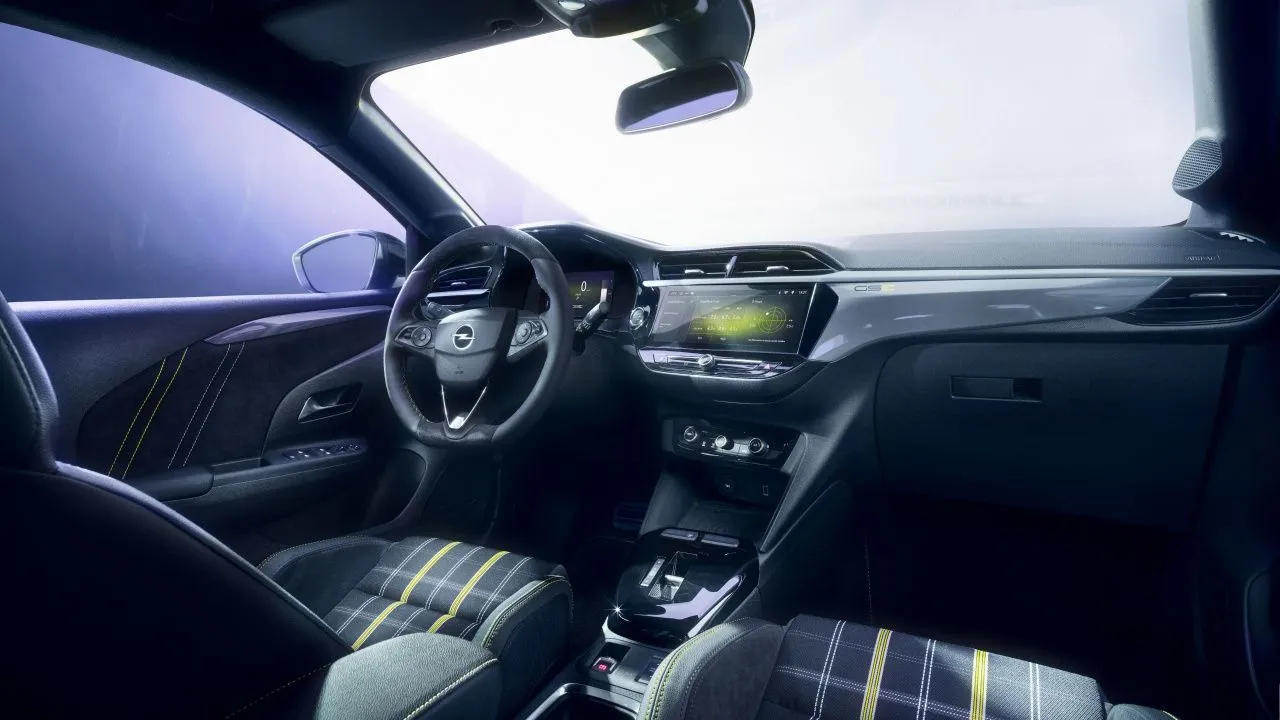
Externally, it retains the proportions of the Corsa but features a much more aggressive design, with custom bumpers, 18-inch tires, and details typical of the GSE family. Inside, there are sports seats, yellow seat belts, and an instrument panel that displays information related to sporty driving. Opel aimed to create a car designed for driving, not just a utility vehicle with high acceleration.
The engine produces 281 horsepower and 345 Nm of torque, achieving 0 to 100 km/h in 5.5 seconds with a top speed of 180 km/h. There are three driving modes, with Sport mode delivering full power. In Normal mode, it outputs 231 horsepower, while Eco mode reduces it further to prioritize efficiency. The battery has a gross capacity of 54 kWh, with 51 kWh available for use, and is thermally prepared to handle demanding usage.
And here lies one of the most interesting aspects of this test: the Corsa GSE seems to be more focused on winding roads rather than acceleration figures. The steering is more direct, the car provides more feedback, and the Torsen differential allows for better utilization of the 281 horsepower. When the accelerator is pressed, there is also some movement in the rear axle, though the stability control remains quite conservative.
The main drawback is range when driven like a true sports car. The battery can drain at an astonishing rate if the Sport mode is overused on a mountain road. This is the price of having an electric SUV with such power and a relatively small battery. We’re not dealing here with a car designed to cover hundreds of kilometers at highway speeds, but rather a toy for enjoying the final miles on a secondary road.
Then there’s the Peugeot E-208 GTi, which is likely the rival that will pose the biggest challenge to the Opel. This isn’t just because it has practically the same engine setup, but also because Peugeot Sport has put a lot of effort into improving the chassis. The E-208 GTi also produces 281 horsepower and 345 Nm of torque, accelerates from 0 to 100 km/h in 5.5 seconds, and reaches a top speed of 180 km/h. It features a battery with 54 kWh of gross capacity and 51 kWh of usable capacity, offering an approved range of up to 375 kilometers.
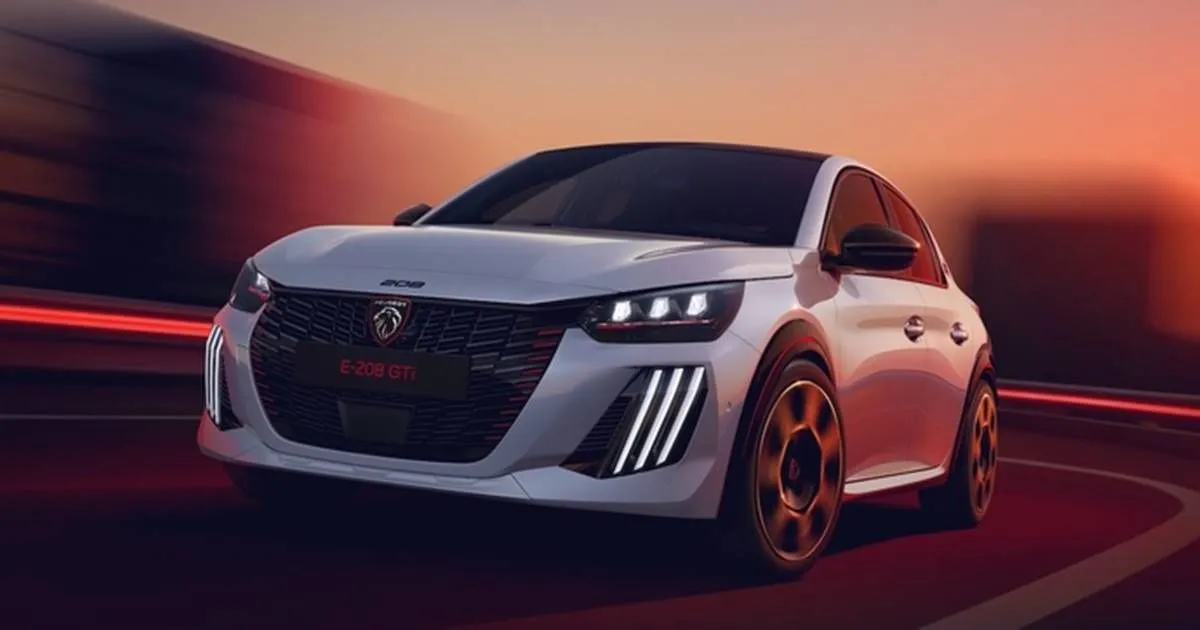
The difference lies in the philosophy. The Peugeot brings back the GTi nameplate with a tuning package developed by Peugeot Sport, including a limited-slip differential, specific Michelin tires, and battery thermal management designed to maintain performance even under demanding use. In other words, the E-208 GTi isn’t just meant to be fast from a standstill—it’s designed to keep delivering power when the driver really pushes it.
And here, price introduces a very interesting factor in the comparison. The Peugeot E-208 GTi starts at 41,800 euros, while the Opel Corsa GSE is estimated at around 39,990 euros before any subsidies. If this estimate holds true, the Opel would be about 1,800 euros cheaper than its French counterpart while offering practically the same power and performance figures.
Below both in terms of power comes the Alpine A290, but it would be a mistake to rule it out due to its 220 horsepower. The Alpine uses a 52 kWh battery and achieves up to 380 kilometers of WLTP range, with a 0 to 100 km/h acceleration time of 6.4 seconds. Its price starts at 39,000 euros in Spain, though the more sporty versions cost up to 42,200 euros for the GT Performance and 45,000 euros for the GTS.
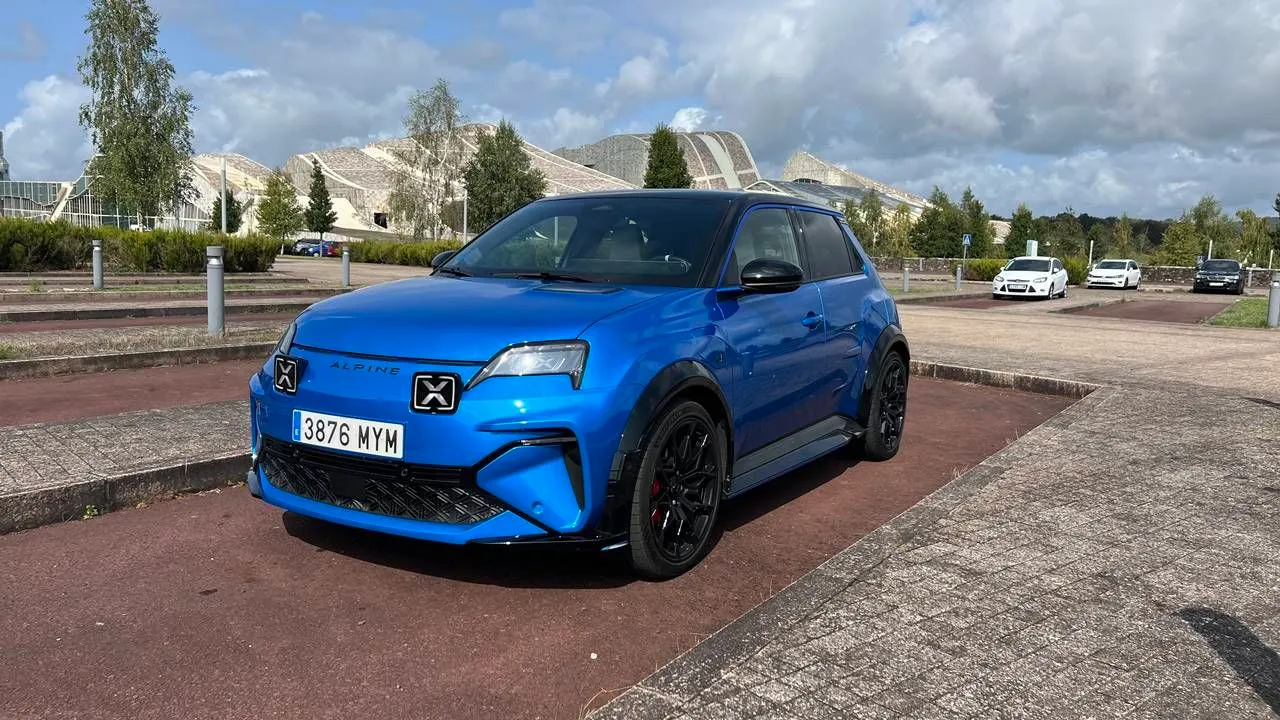
The Alpine is probably the car that comes closest to the classic idea of a small electric sports car. It has five doors, five seats, and a 326-liter trunk, but its tuning focuses primarily on agility. It also features elements that are very uncommon in this segment, such as specialized tires, 19-inch wheels, telematics, and an interior that is much more distinctive than that of a conventional utility vehicle. It might not beat the Corsa GSE in a straight line, but it doesn’t need to do so to remain attractive to many enthusiasts.
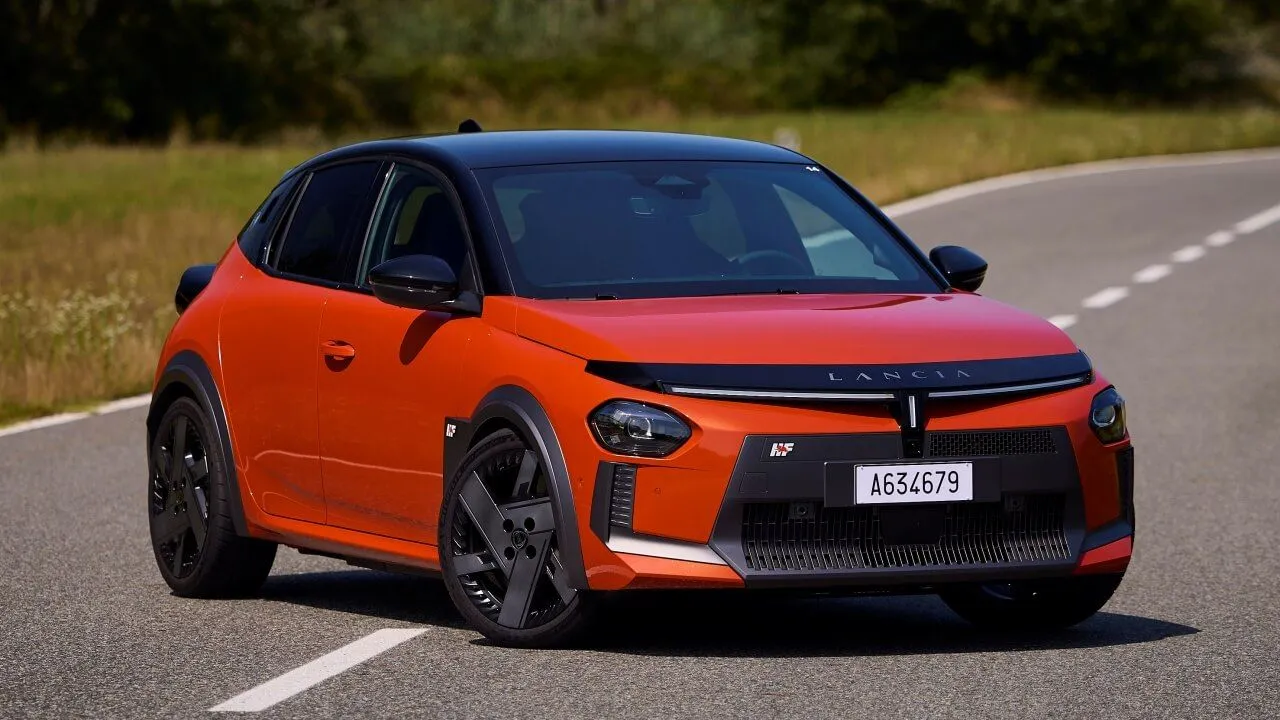
The fourth contender in this comparison is the Lancia Ypsilon HF 280 CV, which is particularly interesting because it shares its philosophy and technology with the Corsa and E-208. The Lancia uses the same 280 CV, 345 Nm engine, accelerates from 0 to 100 km/h in 5.6 seconds, and claims a WLTP range of up to 370 kilometers. It also features a Torsen limited-slip differential and Alcon brakes, meaning its mechanical setup is very similar to that of the Opel.
The Ypsilon HF, however, takes a different approach in terms of design and interior atmosphere. It is more sophisticated and has a much distinct look, with an interior that attempts to blend sportiness with a certain Italian luxury feel. In Spain, the listed price for the Ypsilon HF 280 CV is 41,232.68 euros.
There’s a fifth competitor worth considering, although it operates in a slightly more premium category: the electric MINI John Cooper Works. Its 258 horsepower and 350 Nm of torque are lower than the Corsa and Peugeot’s 281 horsepower, but its 0 to 100 km/h acceleration time of 5.9 seconds shows it’s far from lacking in performance. It uses a 49.2 kWh battery and offers a WLTP range of 364 to 371 kilometers, with a top speed of 200 km/h.
The MINI starts at 40,650 euros and adds another element that cannot be measured by a specification sheet: its approach as a premium compact sports car. It is shorter and has only three doors, so it isn’t as practical as the Alpine or Ypsilon, but in return it retains that philosophy of a small, agile car with handling focused heavily on the driver.
Model
Power
0-100 km/h
Battery
WLTP range
Starting price
Opel Corsa GSE
281 hp
5.5 s
54 kWh / 51 usable
375 km**
39,990 euros*
Peugeot E-208 GTi
281 hp
5.5 s
54 kWh / 51 usable
375 km
41,800 euros
Lancia Ypsilon HF
280 hp
5.6 s
—
370 km
41,232.68 euros
Alpine A290
220 hp
6.4 s
52 kWh
380 km
39,000 euros
MINI JCW electric
258 HP
5.9 s
49.2 kWh
364-371 km
40,650 euros
*Estimated price for the Opel Corsa GSE before subsidies. **WLTP figure to be confirmed**
There is another model worth mentioning, though I wouldn’t consider it a direct rival in terms of concept: the Abarth 600e. With 240 HP in its Turismo version and up to 280 HP in the Competizione version, it also targets the segment of small electric sports cars from Stellantis, but its 4.19 meters in length and SUV-style body place it in a different category.
And that leads to a pretty clear conclusion. The Opel Corsa GSE isn’t just another powerful electric utility vehicle. It arrives at one of the most interesting times for fans of small electric sports cars, as for the first time in a long while there are several alternatives allowing choices among different philosophies.
If pure performance is what we’re looking for, the race between the Corsa GSE and the Peugeot E-208 GTi is practically tied. Both have the same engine, the same power, the same torque, the same usable battery capacity, and the same acceleration. The choice will depend far more on the handling of the chassis, design, and final price than on technical specifications.
But if the estimated price of 39,990 euros before subsidies holds true, the Opel gains a significant advantage. It would be cheaper than the Peugeot, Lancia, and MINI, and practically on par with the 180 CV Alpine A290. It would achieve this by offering 281 CV, a figure that puts it ahead of all other alternatives except the E-208 GTi and Ypsilon HF.
The Alpine A290 remains likely the most distinctive alternative, as it gives up on achieving 280 horsepower in favor of a more thrilling driving experience. The Lancia Ypsilon HF sits in the middle ground, offering nearly identical specifications to the Opel but with a much more exclusive appearance. Meanwhile, the electric MINI JCW focuses on kart-like driving dynamics and a premium feel.
The Corsa GSE also has a significant advantage: it is probably the car that best embodies the concept of a sports Corsa for the electric era. It doesn’t require a huge battery or outstanding range figures. What it needs is to be small, fast, responsive, and fun to drive. And as this first test shows, Opel seems to have understood the formula quite well.
The big question will be whether those 39,990 euros will end up being the actual price. If Opel manages to keep it at that figure, the Corsa GSE could become one of the best small electric sports cars in terms of price-to-power-to-enjoyment ratio. That changes things significantly compared to the Peugeot E-208 GTi, which starts at 41,800 euros.
And perhaps that’s the best news of all. Buyers looking for a compact electric sports car no longer have to settle for choosing between a fast car and one that’s fun to drive. By 2026, they can choose the type of enjoyment they want.